

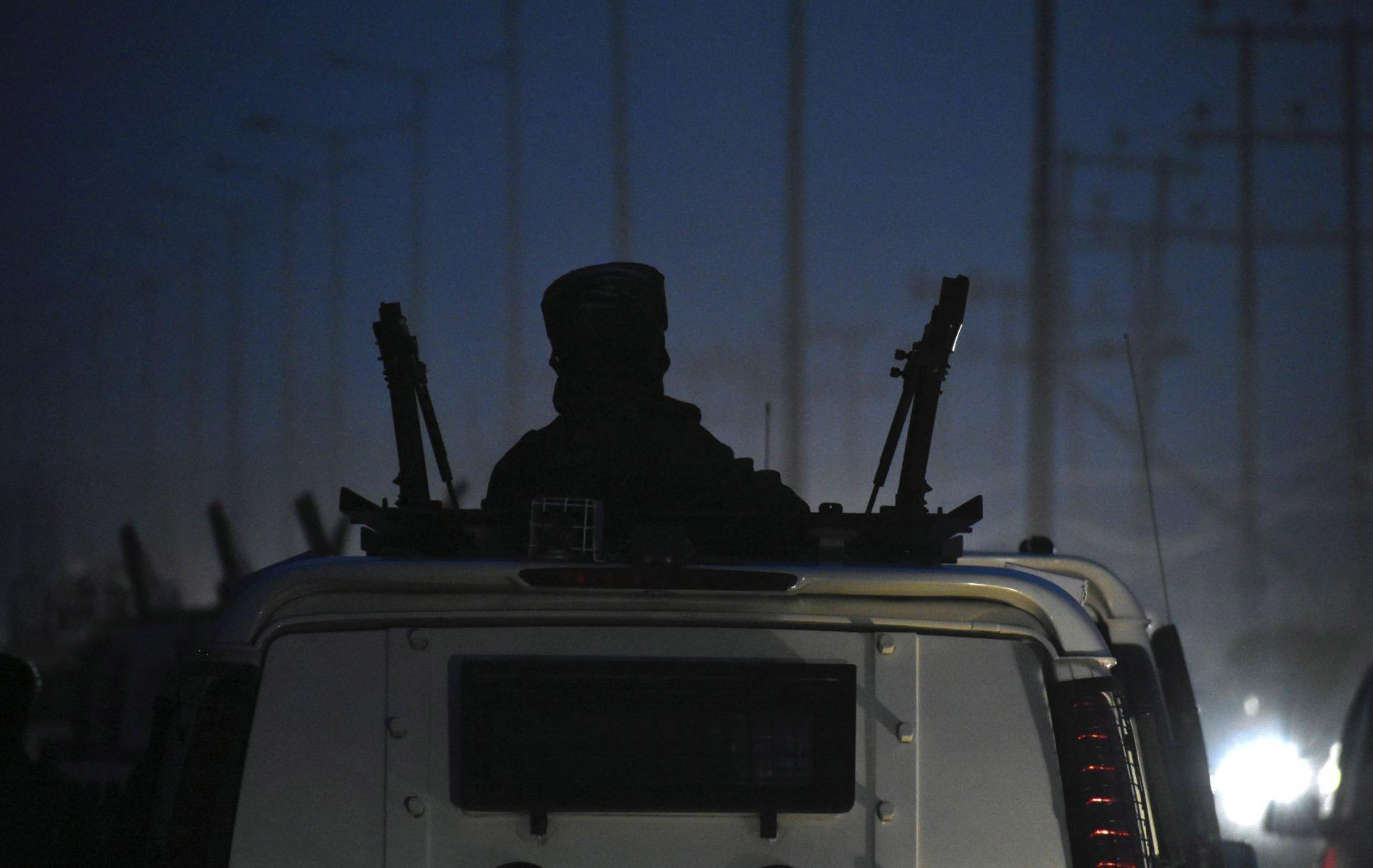
The designation of The Resistance Front (TRF) by the United States as a Foreign Terrorist Organisation and Specially Designated Global Terrorist marks a strategically vital development in the global war on terrorism. It also signifies the strengthening of India-US counter-terrorism cooperation and reflects growing international recognition of Pakistan’s sustained use of terrorism as a tool of state policy. TRF, a known proxy of the Pakistan-based Lashkar-e-Toiba, claimed responsibility for the April 22 Pahalgam attack that killed 26 civilians-the deadliest such attack in India since the 2008 Mumbai carnage. Though the group has operated under a new name, its operational DNA remains unchanged. It shares resources, ideology, and leadership with LeT and other Pakistan-sponsored groups. India has long insisted that such rebranding is merely a tactic to evade international sanctions while continuing the same deadly agenda.
This pattern has been evident since the early 1990s. Despite international designations, figures like Hafiz Saeed, Maulana Masood Azhar, Syed Salahuddin, and Azhar Mehmood roam freely in Pakistan, organising rallies, recruiting youth, and orchestrating terror attacks across the border. These groups operate under different banners, such as Hizbul Mujahideen, Jaish-e-Mohammad, LeT, or now TRF, but their goals and methods remain the same-targeting Indian civilians and security personnel and fomenting communal unrest in the name of jihad. Pakistan’s military-intelligence nexus continues to sponsor and shield these groups, offering them strategic depth while maintaining plausible deniability on the international stage.
In this context, the US decision to designate TRF as a terrorist group is both timely and strategically significant. It not only exposes Pakistan’s duplicity but also signals that the world is no longer willing to be deceived by artificial distinctions between so-called “good” and “bad” terrorists. For decades, Western powers have overlooked Pakistan’s complicity in terrorism due to geopolitical calculations, first during the Cold War and later during the war in Afghanistan. However, such leniency is no longer viable with changing global dynamics and the rise of Indo-Pacific strategic partnerships. The US designation has practical implications: it cuts off TRF’s funding and logistical networks, enables legal action against its operatives globally, and increases the diplomatic cost for Pakistan of continuing its sponsorship of such groups.
India’s intelligence agencies have worked meticulously over the years to provide evidence of TRF’s links with LeT and Pakistan’s involvement in cross-border terrorism. However, a more coordinated global response is necessary. Designating TRF is just the beginning; unless the cycle of proxy terror is broken at its root, the threat will persist. Each time a group is banned, Pakistan’s deep state floats another one with a different name but the same resources and objectives. It is a strategic deception the world must no longer accept. The international community must impose sustained consequences on Pakistan if it wants this cycle to end. This means tougher sanctions, diplomatic isolation, denial of aid, and sustained pressure through international platforms like the Financial Action Task Force and the UN. No strategic interest-regional or global-can justify shielding a country that enables terrorism as an instrument of foreign policy. The myth of Pakistan being a reluctant player in the terror game has long been busted; what is required now is a concerted global effort to make terrorism an unsustainable policy for any state.
The horrors of terrorism have been felt worldwide-from 9/11 in the United States to 26/11 in Mumbai, from attacks in Paris, Nairobi, and Kabul to Christchurch and London. Terror does not distinguish between race, religion, or nationality. Therefore, the global response must also transcend national interests and geopolitical alignments. The US decision to ban TRF must serve as a precedent, not an exception. Other countries must follow, and international institutions must act decisively.
 Follow our WhatsApp channel
