

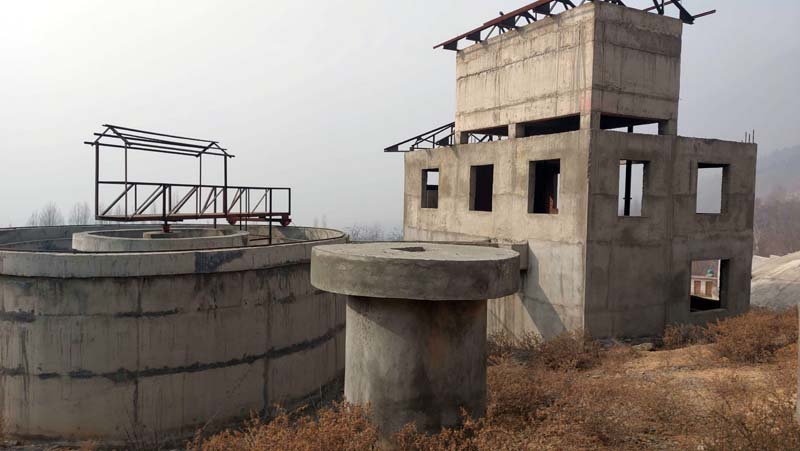
Eight long years is an unconscionable amount of time to wait for a basic public utility like clean drinking water. Yet this is precisely the reality for nearly 300 households in Haripora, Ganderbal, where a modest water filtration plant-conceived in 2017 to address chronic shortages-remains incomplete. What should have been a routine infrastructure project has instead become a telling symbol of systemic inertia, weak planning, and a disturbing absence of accountability in public works. The story of the Haripora filtration plant is not extraordinary; that is precisely the problem. From the outset, the project appears to have suffered from a lack of seriousness at the planning stage itself. A DPR was prepared, work was allotted-curiously split between two contractors-and construction began. Thereafter followed a familiar litany of excuses: funding constraints, shifting budgetary heads, contractor delays, and “bottlenecks” that somehow took years to resolve. First funded under one head, then shifted to UT Capex, and now finally brought under a Centrally Sponsored Scheme, the project has been passed around like an administrative orphan.
No worthwhile project can be completed with such a casual and ad hoc approach. Funding arrangements are not meant to be afterthoughts; they are foundational to project execution. If finances were uncertain, why was work initiated at all? If the scope required two contracts, why was coordination not ensured? Most importantly, what was the original contractual timeline for completion, and how did an eight-year delay escape penal consequences? These are not rhetorical questions. These questions fundamentally impact governance and public accountability. Contracts are awarded with defined milestones, deadlines, and penalty clauses. If those deadlines are breached, action is mandatory-not optional. Yet in Haripora’s case, there is a conspicuous silence on what action, if any, has been taken against the contractor(s) responsible for repeated delays. Equally troubling is the absence of any mention of responsibility being fixed on officials who were duty-bound to monitor progress and escalate failures.
Instead, residents are offered what they have heard for years: fresh assurances and new deadlines. Testing by the end of December. Full functionality by the end of the financial year. Action “if” the contractor fails again. For people who have endured eight years of water scarcity, such promises ring hollow. In the meantime, they continue to depend on an overstretched old supply system-one that is reportedly proposed to be dismantled-leaving them anxious about being pushed towards unsafe or contaminated water sources.
At a time when Government projects are tracked digitally through platforms like the BEAMS portal, designed precisely to flag delays and enable real-time oversight, a small filtration plant has languished for eight years without meaningful intervention from higher authorities. This raises uncomfortable questions: Were red flags ignored? Were reports filed mechanically without ground verification? Or did the system simply normalise delay to the point where eight years no longer seems extraordinary? This is not merely an administrative lapse; it is a public health concern. Access to clean drinking water is not a luxury or a political favour-it is a basic right. Prolonged delays expose residents to health risks, add to daily hardship, and erode trust in institutions. The allegation that the abandoned structure has become a hub of social evils only underlines the social cost of unfinished infrastructure.
The Haripora project must now be treated with urgency, not as another routine file but as a test case. Whatever bottlenecks remain-technical, financial, or contractual-must be resolved immediately, and the plant made operational without further excuses. Equally important, accountability must follow completion. The Government owes the public clear answers on timelines, responsibility for delay, and action taken or proposed against those found wanting. Beyond Haripora, there is a larger lesson. The Government should urgently compile and review a list of all projects that have been delayed beyond their stipulated deadlines, identify recurring hurdles, and institute a time-bound mechanism for their resolution.
 Follow our WhatsApp channel
