

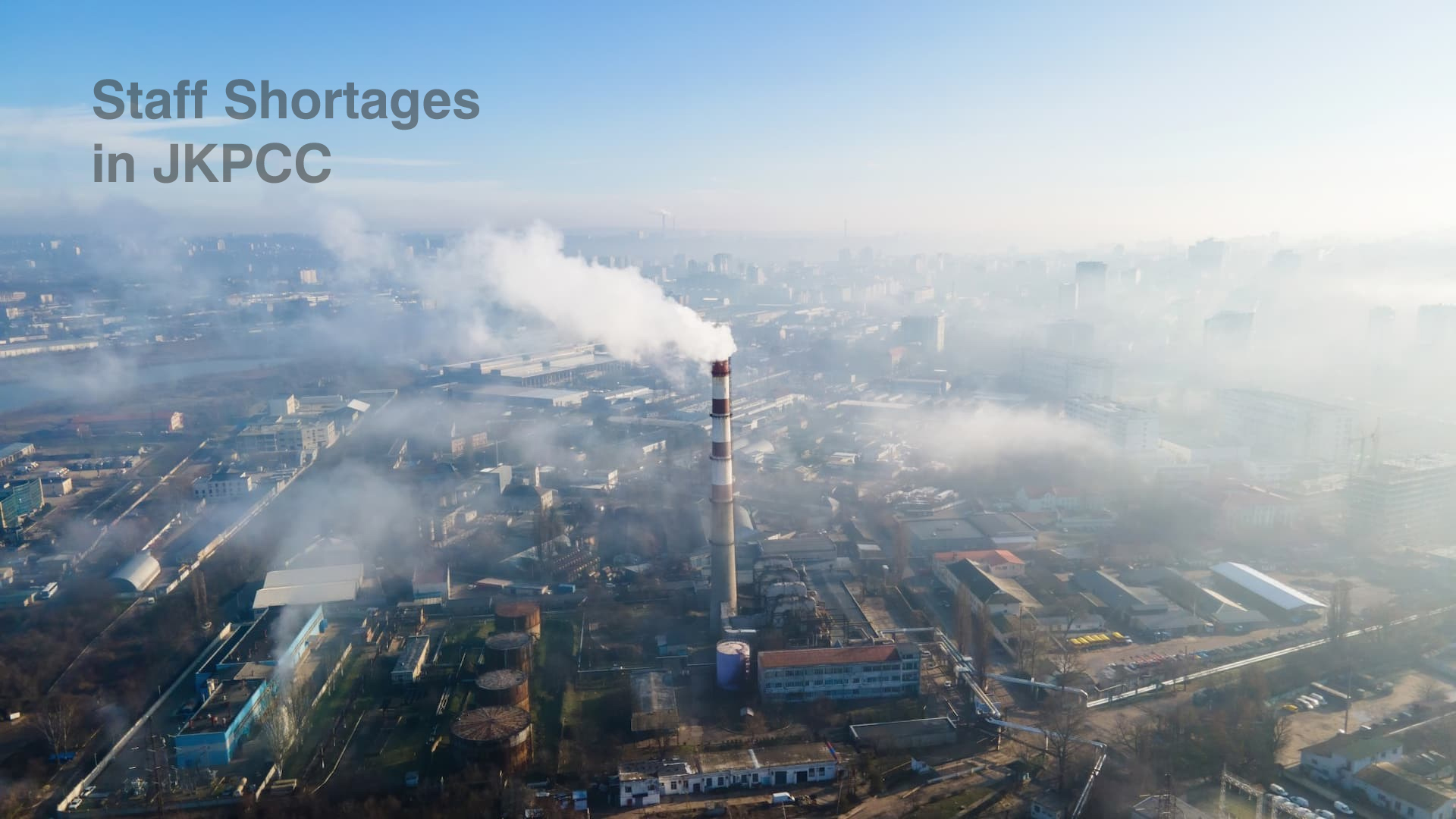
The functioning of the J&K Pollution Control Committee is marred by a disturbing combination of administrative inertia and systemic neglect. Despite the critical role of the Committee in enforcing environmental standards, it continues to grapple with chronic staff shortages, defunct recruitment systems, and unrecognized laboratories-highlighting a glaring non-serious approach by the authorities. As revealed in an affidavit submitted to the NGT, a staggering number of posts remain vacant across the Committee: 49 in the Scientific Category, 25 in Engineering, and 106 in Administration. This significantly undermines the JKPCC’s ability to monitor, enforce, and regulate pollution norms. The Recruitment Rules necessary to begin filling these posts are still awaiting governmental approval, leaving essential positions unfilled for an indefinite period.
This bureaucratic delay has a cascading impact. The inability to appoint qualified personnel has effectively crippled the department’s technical wings. For instance, the Committee’s water and air laboratories-cornerstones of environmental monitoring-have yet to receive recognition under the Environment (Protection) Act, of 1986. Without this formal recognition, the credibility and legal validity of their data remain questionable, weakening enforcement actions against violators. Moreover, the two regional water labs in Jammu and Srinagar and their air counterparts are still in the queue for notification and upgradation. Despite being operational, these labs lack the statutory status needed to anchor legal interventions. A generous timeline of 24 months for this risks further environmental degradation in the interim. Equally troubling is the proposed expansion of lab infrastructure in industrial hubs like Kathua, Samba, and Pulwama. Without sufficient scientific staff and operational clarity, these plans may remain paper-bound projects.
The environmental cost of this administrative laxity is immense. Unchecked industrial emissions, contaminated water bodies, and air pollution continue to thrive in the absence of robust monitoring. The Committee’s slow restructuring and delayed approvals represent a systemic disregard for public health and ecological well-being. In essence, JKPCC’s current state reflects a dangerously casual approach to environmental governance. Unless immediate corrective action is taken, both institutional credibility and the ecological health of Jammu and Kashmir will continue to deteriorate.
 Follow our WhatsApp channel
