

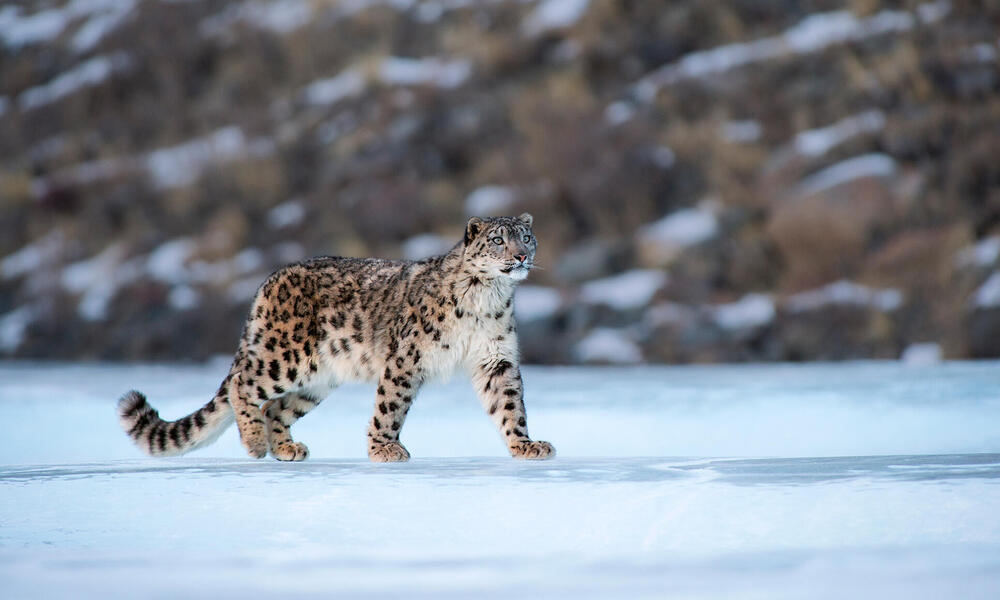
The revelation that Ladakh is home to 477 snow leopards-representing nearly 70 percent of India’s population-marks a significant milestone in wildlife conservation. Published in the journal PLOS One, this exhaustive study is not just a scientific achievement but a blueprint for sustainable coexistence between humans and wildlife. Covering a staggering 59,000 square kilometres, of which over 47,500 square kilometres are occupied by these elusive cats, the survey is the most comprehensive of its kind. This remarkable density-peaking at two snow leopards per 100 square kilometres in Hemis National Park-makes Ladakh one of the global strongholds for Panthera uncia. The success is rooted not merely in geography but in the culture and commitment of Ladakh’s people. The region exemplifies how reverence for nature, coupled with economic incentives such as ecotourism and robust conflict management strategies, can foster conservation. Over 60 percent of Ladakh’s snow leopards live in landscapes shared with humans, a testament to this harmonious coexistence.
The methodology employed-combining traditional tracking with over 900 strategically placed camera traps-is equally commendable. Using scent to lure leopards toward cameras and then identifying individuals by their unique forehead patterns is a creative and non-invasive monitoring technique. Such innovations are critical when dealing with creatures known for their solitary and secretive behaviour in remote, rugged terrain. Importantly, this study doesn’t just celebrate numbers; it lays the groundwork for future action. The creation of a national photo database is a proactive step toward monitoring poaching and illegal wildlife trade-threats that continue to loom large over big cats globally.
The Ladakh model deserves to be studied and replicated across the snow leopard’s range in Asia. As climate change and human expansion pose growing threats, this study shows that strategic, community-based conservation can yield remarkable results. Ladakh’s snow leopard success story is a call to action. It proves that with the right mix of science, community involvement, and policy, conservation can thrive-even in the harshest of terrains. India should now further ensure that the “ghost of the mountains” continues to roam freely across the Himalayas and beyond.
 Follow our WhatsApp channel
