

Dr Priya Sharma
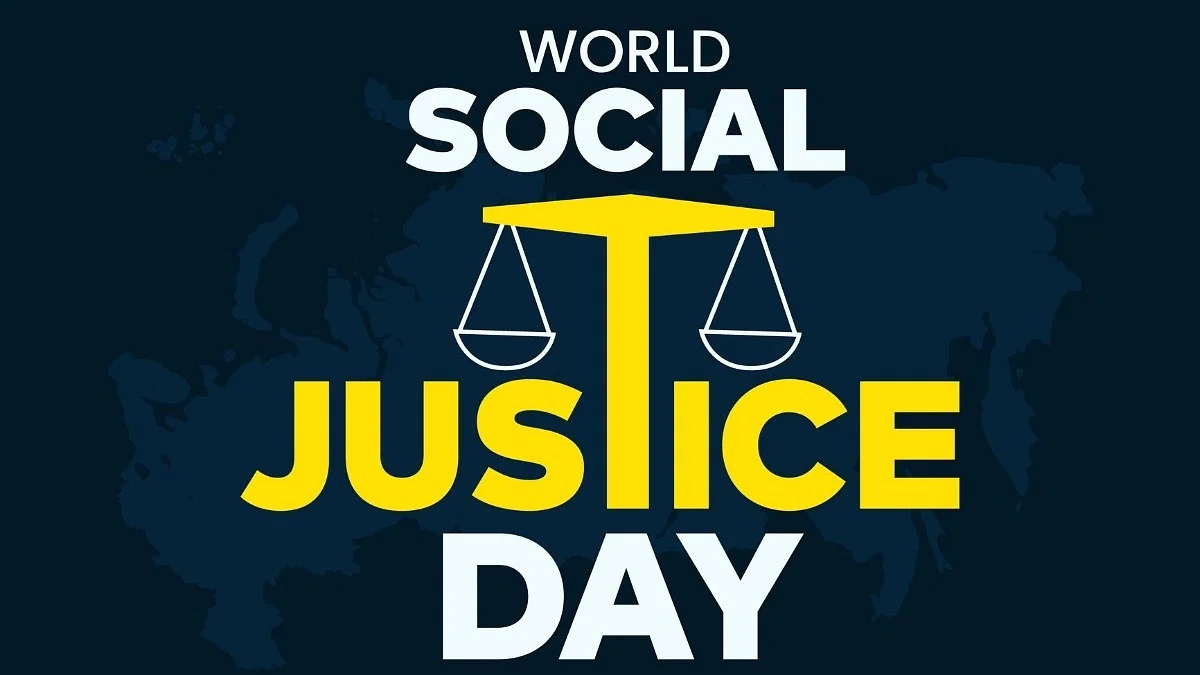
The World Day of Social Justice is observed annually on February 20 and serves as a reminder of the enduring quest for social equity and justice across the globe. This significant day emerged from the recognition of the need for inclusive development aimed at combating poverty, fostering gender equality, and ensuring opportunities for marginalized groups.The origins of the World Day of Social Justice date back to the 2005 World Summit, where United Nations member states emphasized the critical need for social justice as integral to fostering peace and security. In 2007, the General Assembly officially adopted the resolution declaring February 20 as the World Day of Social Justice. This initiative sought to galvanize international action surrounding social challenges affecting millions, especially in developing nations.The significance of celebrating this day lies in its role as a platform to highlight pressing global social justice issues. The objectives include:Educating communities about the importance of social justice in achieving sustainable development. Advocating for equal rights and opportunities for all individuals, irrespective of their background, gender, or socio-economic status.Mobilizing governments, organizations, and individuals to engage in actions that promote social inclusion and rectify injustices.
Importance of Social Justice in Global Society
Social justice is vital for creating stable, resilient societies. Its principles advocate for the fair distribution of resources and opportunities while addressing systemic inequalities that can undermine peace and progress. In today’s world, where disparities continue to widen, the promotion of social justice fosters an environment where everyone has the opportunity to thrive, thus contributing to the overall development and harmony within global communities.The World Day of Social Justice serves as a catalyst for dialogue and action aimed at achieving a just world where every individual can live with dignity and equal rights.
Significance of Social Justice in Indian Society
Social justice is a foundational principle that underpins the fabric of Indian society, influencing various aspects such as economic equity, caste dynamics, and women’s rights. Addressing these issues is essential not only for upholding human dignity but also for fostering a harmonious and inclusive nation.Economic inequality in India remains a pressing concern, with significant disparities in wealth and access to resources. For instance, despite being one of the world’s fastest-growing economies, a substantial portion of the population lives below the poverty line. According to the World Bank, around 22% of the Indian population falls under this category.Economic disparity exacerbates other forms of injustice, leading to limited educational and employment opportunities for marginalized communities. This perpetuates a cycle of poverty that is difficult to break.Programs such as the Mahatma Gandhi National Rural Employment Guarantee Act (MGNREGA) aim to provide a legal guarantee for at least 100 days of unskilled wage employment in a financial year to every rural household, helping to alleviate poverty and improve living standards.Caste discrimination remains a pervasive issue in India, where the caste system historically dictates social standing and access to opportunities. Despite legal prohibitions against caste-based discrimination, practices persist both at institutional and societal levels.The Scheduled Castes and Scheduled Tribes (Prevention of Atrocities) Act, 1989 was enacted to prevent atrocities against members of marginalized communities and ensure their rightful access to education, government jobs, and public services.Activists and organizations continue to challenge prevalent norms. For example, the Dalit Panthers and other movements work towards societal reform, advocating for equality and justice.
Women’s Rights
Women in India face multiple layers of discrimination, influenced by both traditional norms and contemporary societal structures. Issues such as gender-based violence, disparities in education, and employment illustrate the plight of women in many parts of the country.The National Family Health Survey (NFHS-5) indicates that around 30% of women aged 15-49 have experienced physical or sexual violence. This highlights the need for systemic change to ensure women’s safety and equal participation in all spheres. The Beti Bachao Beti Padhao scheme focuses on ensuring the survival, protection, and education of the girl child, aiming to transform societal attitudes and improve gender ratios.
Impact on Society
Social justice initiatives significantly impact various segments of Indian society by promoting dignity, rights, and equal opportunities. These efforts lead to:Empowered communities, where marginalized groups gain a voice and agency.Economic development, fostering a more inclusive economy where all citizens can contribute to and benefit from national progress.Social cohesion, as efforts to address injustices contribute to reducing societal tensions and fostering understanding among diverse groups.
Observances in India
In India, the celebration of the World Day of Social Justice is particularly significant given the country’s diverse social landscape and ongoing struggles for equality.
Local Initiatives: Various educational and academic institutions across India host workshops and discussions to address issues such as caste discrimination, gender equality, and economic disparities. Initiatives are led by student organizations and civil society groups, promoting dialogue among participants about possible solutions to social inequalities.Some NGOs organize cultural events such as street plays and art exhibitions that focus on themes of social justice. These programs not only entertain but also educate the public about critical social issues, fostering a sense of community engagement and responsibility.Government bodies and NGOs participate actively in the observance of this day: Governments at various levels may hold discussions about existing policies aimed at addressing social justice issues. These forums provide a platform for stakeholders to evaluate programs, propose adjustments, and promote new initiatives.Various NGOs launch targeted campaigns on this day to highlight how social justice impacts particular demographics, such as women, Scheduled Castes, and Tribals. These campaigns may include initiatives designed to encourage policy reforms or public commitments towards creating a more equitable society.
Challenges in Achieving Social Justice
Achieving social justice remains a significant challenge both globally and within India, with several systemic and socio-economic obstacles impeding progress. Here, we explore some of the key challenges that hinder the realization of social equity.
Economic Disparity
One of the primary challenges is economic disparity, which is prevalent in many societies worldwide.The widening wealth gap contributes to social injustice by limiting access to essential resources such as education, healthcare, and employment opportunities for marginalized communities.Nearly10% of the global population continues to live on less than $1.90 a day, exacerbating cycles of poverty and preventing upward mobility.
Social Stigma and Prejudice
Social stigma, often stemming from deeply embedded cultural and societal norms, presents a considerable barrier to achieving social justice.In India, caste-based discrimination continues to persist, affecting access to education and employment for those belonging to lower castes or marginalized communities. The societal stigma associated with caste further entrenches inequality.Women face widespread discrimination and violence, rooted in patriarchal norms that dictate gender roles. Resistance to progressive women’s rights reforms is prevalent.
The Role of Government and NGOs
Governmental bodies and non-governmental organizations (NGOs) play significant roles in promoting social justice both globally and in India. Their efforts are crucial in enhancing awareness, implementing initiatives, and mobilizing communities to address social inequalities.
Governmental Involvement in Promoting Social Justice
Governments have the primary responsibility for upholding and enforcing social justice through legislation, policy frameworks, and developmental programs: Governments implement programs like the Mahatma Gandhi National Rural Employment Guarantee Act (MGNREGA), which provides a legal guarantee for wage employment, thus improving livelihoods in rural areas. Legislation such as the Scheduled Castes and Scheduled Tribes (Prevention of Atrocities) Act aims to protect marginalized communities from discrimination and violence, reaffirming their rights.Policy Implementation: Initiatives aimed at empowering disadvantaged groups-like the Pradhan Mantri Awas Yojana, which provides housing for the homeless-demonstrate the government’s commitment to social justice.Governments often run awareness campaigns to educate the public about their rights and available resources. These campaigns may utilize media channels to reach wider audiences effectively.
Role of Non-Governmental Organizations (NGOs)
NGOs play a complementary role by filling the gaps that governmental efforts may not fully address. They often engage in grassroots advocacy and capacity-building initiatives.Advocacy and Awareness: NGOs conduct workshops, seminars, and outreach programs to raise awareness about social justice issues, addressing topics like gender equality and caste discrimination. NGOs leverage digital platforms to expand their reach. Through hashtags and viral content, they effectively mobilize communities and advocate for social change.
Community Engagement: Many NGOs focus on empowering communities by providing resources such as skills training and financial assistance. Programs like self-help groups (SHGs) foster economic independence among women.NGOs encourage community involvement by organizing volunteer opportunities, allowing individuals to actively participate in social justice efforts, thereby fostering a culture of civic engagement.
(The author is an advocate)
 Follow our WhatsApp channel
