

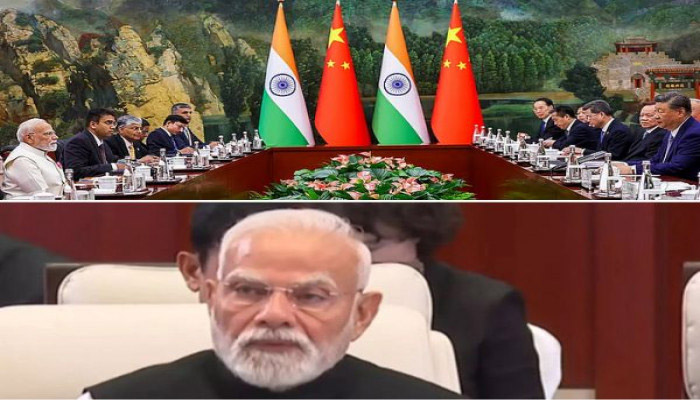
The Shanghai Cooperation Organisation (SCO) summit in Tianjin has reaffirmed an enduring truth: terrorism is not a local problem; it is a global scourge that demands a united, uncompromising response. The unanimous condemnation of the Pahalgam attack and the clear rejection of “double standards” in the fight against terror mark a significant diplomatic moment-especially for India. This is the second major international platform, after the recent BRICS summit, where India has succeeded in highlighting terrorism as a core global security challenge, even in the presence of countries that have historically adopted ambiguous positions on the issue. What makes this achievement even more noteworthy is the contrast with the last SCO foreign ministers’ meeting, which failed to reach a consensus on a joint statement against terrorism. This declaration, therefore, is more than symbolism; it is a reflection of changing geopolitical equations and the growing recognition that terrorism threatens not only regional stability but also the global economic order.
India’s stand has always been consistent and uncompromising: terrorism and talks cannot go together. Prime Minister Modi delivered a strong message-calling out “double standards” and urging the international community to oppose terrorism in every form- in the presence of Pakistan’s Prime Minister, making the statement even more powerful. Pakistan’s attempt to raise concerns about terrorism during the summit exposed its duplicitous stance, given its well-documented role in sponsoring cross-border terror. This duplicity is now harder to conceal when multilateral declarations explicitly call for action against sponsors, organisers and enablers of terrorism.
Equally significant is China’s position. Historically, Beijing has shielded Pakistan diplomatically, blocking UN sanctions on Pakistan-based terror groups and individuals. Yet, at Tianjin, China joined the consensus, endorsing language that condemns terrorism “in all forms” and rejects the practice of using terrorist groups for “mercenary purposes”. This shift is not altruistic; it reflects China’s growing realisation that selective tolerance of terrorism is a strategic liability, especially in an interconnected world where instability anywhere can reverberate across supply chains, trade and investment flows.
The broader geopolitical context cannot be ignored. The world is grappling with economic fragility exposed by ongoing tariff wars, disruptions in global trade, and rising energy insecurities. In such an environment, developing nations-already burdened by billions in security expenditures-can ill afford the costs of prolonged conflict and terrorism. For the Global South, the message is clear: resources wasted on countering terror are resources diverted from growth, infrastructure and human development. Without peace, the dream of economic parity with developed nations remains elusive.
The SCO was conceived as a platform to counter Western dominance and foster regional cooperation. However, this vision can only be realised if member states address mutual concerns honestly and build trust. For India, this means accountability from both Pakistan and China-whether on cross-border terrorism or infrastructure projects in Indian-claimed territories. For China, if it truly seeks a formidable partnership with Russia and India to counterbalance Western influence, it must rethink its policy of strategic indulgence toward Pakistan. Continued support for Pakistan’s state-sponsored terror infrastructure will remain the single biggest obstacle to India-China rapprochement.
Foreign policy, as always, is a game of give and take. India understands this dynamic. It has shown through surgical strikes, the Balakot airstrikes, and Operation Sindoor that it will act unilaterally when necessary. But India also knows that lasting impact requires a coalition of willing nations, united not just in words but in coordinated action. The recent summits have shown glimmers of this possibility. The next step must be to translate declarations into deliverables. China, as a major power, must use its influence to nudge Pakistan away from using terrorism as an instrument of state policy.
The way forward is clear: economic cooperation and security cannot exist in isolation. Just as nations converge on trade and energy for mutual benefit, they must also converge on eliminating terrorism as a shared mission. The SCO summit has brought friends and foes to the same table; now, it must ensure that this rare consensus becomes a sustained commitment.
 Follow our WhatsApp channel
