

Wg Cdr Mahesh Chander Sudan (Retd)
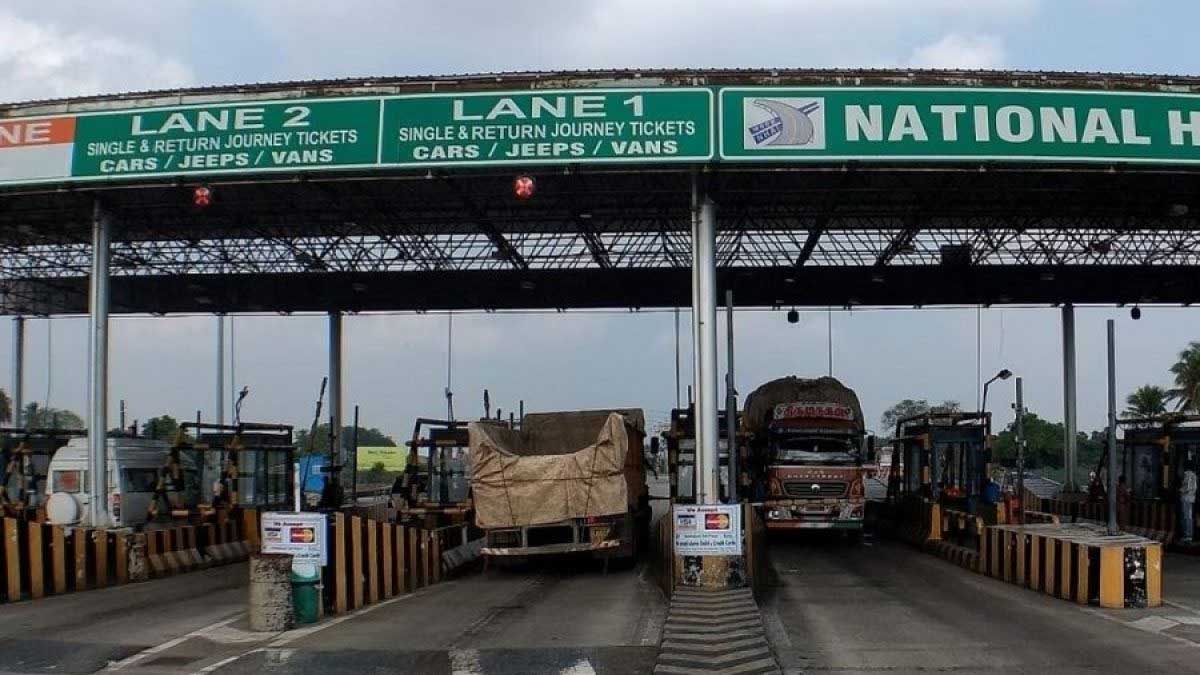
I We, the people of India, have been witnessing public annoyance at Toll Plazas across the country resulting in temporary suspension of toll charges, shifting of toll plazas and in few cases permanent removal of illegally established such toll plazas contradicting provisions of the rules and regulations contained in National Highways Act 1956 as amended from time to time. This Act was enacted with two objectives to develop, maintain and manage National Highways and to regulate and control the plying of vehicles on National Highways for its proper management. It contains provisions authorizing Government of India to acquire land for constructing roads for public use as per Section 3 of the said Act. The land so required is to be acquired by the Government of India through notification of the Official Gazette and due compensation to be paid to the owners as applicable under the law. Surprisingly, the public annoyance still prevails despite all well laid down procedures for acquisition of land, allotment of funds from public exchequer, management and maintenance of preciously created road infrastructure and above all the development of the area involved not only in terms of roads but also added connectivity brings financial prosperity creating employment opportunities across the countryside.
No doubt, such projects affect the land assets of the rural population but it equally augurs growth and development of the area adding multidirectional prospects of future assets building both in private and public sector. The scope for public bitterness apparently results owing to casual handling by the local administration, delayed compensations, negligence in offering employment opportunities to locals by the contractors, resettlement of the affected population and allotment of alternate land to redress the grievances of rural population who are ultimately made to surrender ownership of ancestral heritance. It is also observed that existing road infrastructure disrupted due to proposed road project is not accorded due priority in its restoration causing transportation difficulty to the local residents. Security issues arising due to enhanced access of the rural area to thieves and other unsocial elements also cause a serious challenge. It is also a fact that compensation and resettlement of the affected population becomes the real bone of contention in most of the cases and a strict compliance of the provisions of the National Highway Act 1956 enables completion of the project in time and in a desired manner.
The Act referred as National Highways Act 1956 lays down provisions for notifications, requisition, compensations, maintenance and operationalization of these national highways for public transportation ensuring connectivity across the length and breadth of territorial limits of the country. The Act has 10 sections and the section 3 of the Act primarily deals with important aspects of the management of National highways and the issues concerning public annoyance largely are covered in Section 3 of the National Highways Act 1956. Implementation of all provisions contained in this section of the Act with due diligence would pave way for amicable settlement of public issues leading to a smooth functioning of the concerned highways.
Defining competent authority, its notification in the official gazette, functions of the Competent Authority for specified Areas and the land holding along with things permanently attached to the earth are dealt in Section 3 of the Act. Sub Sections of the Act from A to J deal with other significant aspects like Acquiring, surveying, hearing objections, if any, and various other connected items. Among other things, it is attempted to highlight the issues possibly incurring public annoyance leading to occasional road blockages and other public unrest that are noticed across the country. Bone of contention apparently lies in transparency while handling acquisition of land, paying compensation on time, fixing of fee for services to be charged from the public and its implementation thereof for day to day operationalization of the national highways.
In the larger interest of the public, it is appropriate to go through Section 7 of the National Highways Act 1956 that allows the Central Government to issue notifications in the official Gazette with regard to the levy of fees at such rates as may be laid down by rules in this behalf for services or benefits rendered in relation to the use of the ferries, bridges and tunnels costing more than twenty five lakhs. For levying such fees, Central Government is authorized to make rules for fixing rates. It is seen that practically these charges are collected in the form of Toll Tax and the method of collection is affected through auction to bidders who are thereupon authorized to collect the fee on ground from the actual users. This process allows human intervention and becomes an easy way for system to embrace compromises/corruption. Transparency and inclusivity in the process of fixing tolls and other yardsticks like distance between the toll plazas needs to be appreciated. Existing road infrastructure disturbed/disrupted needs to be restored on priority with due regard to agriculture economy of the area that would be disturbed/compromised in the process.
Development of road infrastructure effectively contributes towards economic development and growth of the country. It is an economic priority to build highways utilizing land resource for larger benefit but it simultaneously calls for a diligent and optimum use of agricultural land. Affected land owners bear the direct brunt to an extent of losing the only source of livelihood and are expectedly to be dealt empathetically so that micro rural economy remains unaffected. It is also a fact that national infrastructural growth largely supports rural economy and helps rural population multifariously leading to agro industrialization of the area, mechanization of the agriculture activities and brings modern education and health facilities at their door step. A balanced and inclusive approach would result in smooth transition for all stake holders and pave way for optimum use of the national resource. Jai Hind, Jai Bharat.
 Follow our WhatsApp channel
