

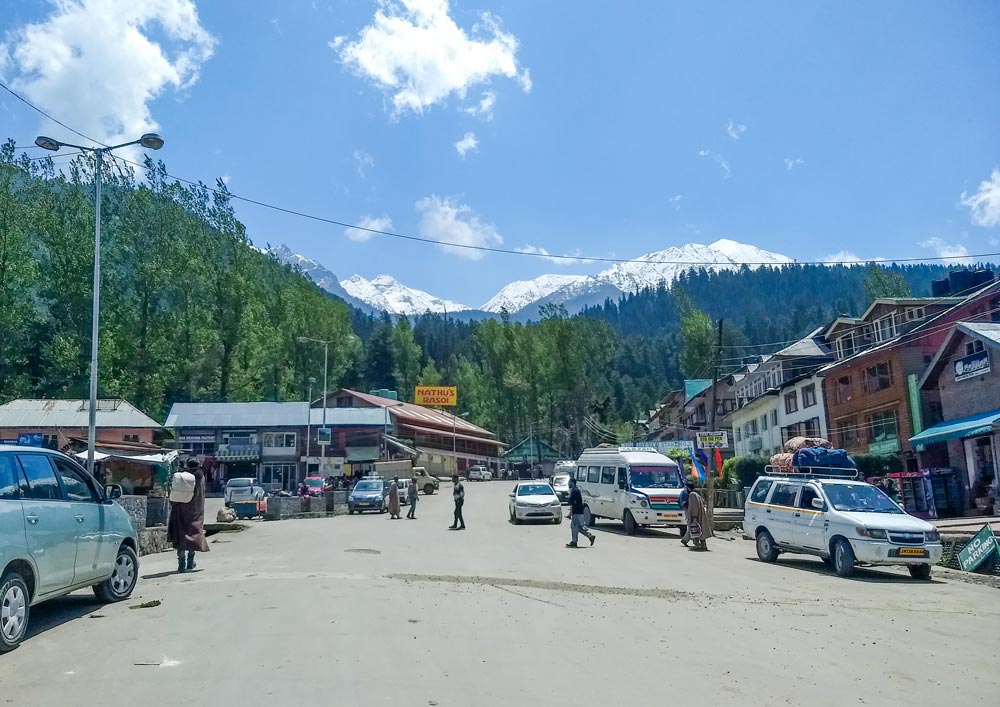
The Cabinet meeting held in Pahalgam, led by Chief Minister Omar Abdullah, was not only symbolic in its defiance against terror but also strategic in reasserting tourism as a conflict-neutral economic lifeline for Jammu and Kashmir. As the region grapples with the aftermath of the brutal Pahalgam attack, the revival of tourism demands a united front from all three administrative arms: the elected J&K Government, the LG’s office, and the Centre. While Omar’s assertion that “tourism is my responsibility, but not the security of tourists” captures the dilemma of divided power, it equally underscores the urgency of synchronised governance. For tourism to truly thrive, security must be seamless, not segmented. The Centre’s involvement is vital – not only in bolstering security infrastructure but also in crafting a comprehensive revival blueprint that spans both Jammu and the Kashmir Valley.
Jammu, as the gateway to the UT, must receive focused attention. Often overshadowed by the Valley, Jammu holds untapped potential. Strengthening tourism here can be the first step in rebuilding national and international confidence. A cornerstone of this strategy should be the mega-success of the upcoming Shri Amarnath Ji Yatra. With expectations of over four lakh pilgrims, this yatra presents a unique opportunity. Pilgrims who return safely and satisfied will naturally become ambassadors of Jammu and Kashmir’s renewed tourism promise. Their word-of-mouth will outpace any marketing campaign – but this hinges entirely on ensuring their complete safety and comfort. To foster sustained growth, the Government must immediately publish a list of reopened tourist destinations where security audits have confirmed safety. Tourist destinations closed earlier cannot remain closed indefinitely. Courage, coupled with careful planning, must drive reopening.
Furthermore, J&K must proactively participate in national travel fairs, build digital tourism campaigns, and incentivise private investment in hospitality and infrastructure. Tourism cannot be allowed to ebb and flow with every incident; it must be institutionalised as a resilient, apolitical economic engine. The revival of tourism in Jammu and Kashmir is not just about returning visitors – it is about reclaiming peace, trust, and normalcy. A safe Amarnath Yatra, a revitalised Jammu sector, and joint governance can collectively script this new chapter.
 Follow our WhatsApp channel
