

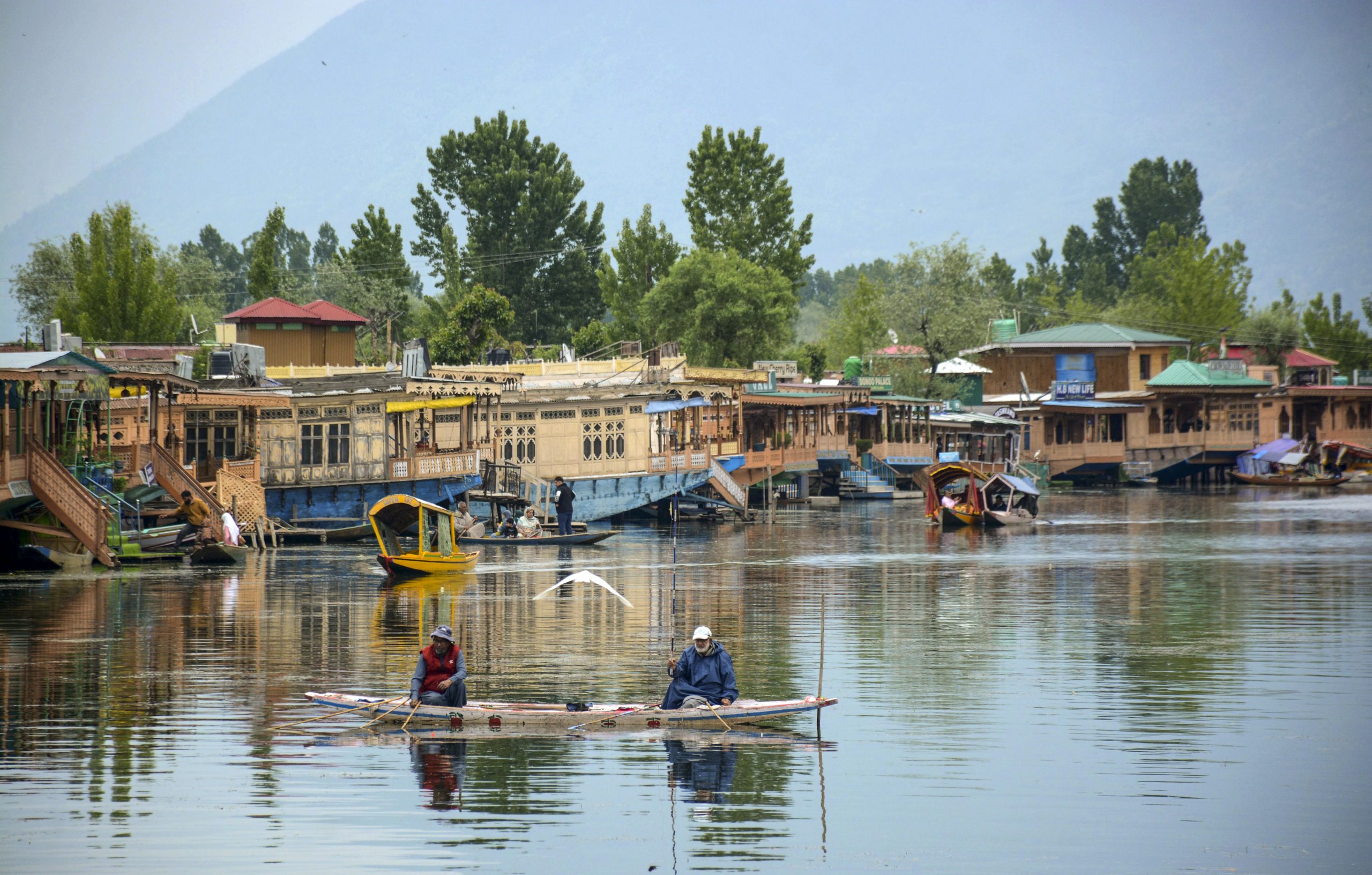
The picturesque valleys of Kashmir, long hailed as “Paradise on Earth”, have once again found themselves in the shadows of adversity following the terror attack in Pahalgam. This tragic incident has cast a pall over the region’s burgeoning tourism sector just as it was beginning to recover from years of instability. Chief Minister Omar Abdullah’s recent meeting with key stakeholders reflects a timely and much-needed initiative to address the crisis head-on. However, more than rhetoric and reassurance is required now; the need of the hour is a comprehensive, actionable strategy that restores both confidence and a sense of safety for tourists.
The foremost concern in any tourist’s mind is safety. The perception of Kashmir as a high-risk destination must be tackled with transparency and strategic communication. There needs to be an immediate and visible strengthening of the security apparatus in and around key tourist locations. This includes increased patrolling, installation of surveillance infrastructure like CCTVs, and deployment of tourist police who are trained not just in law enforcement but also in hospitality. Simultaneously, the administration should enhance coordination between local law enforcement and private tourism operators. Hotel associations, taxi unions, and houseboat owners must be briefed regularly on security protocols. A 24×7 tourist helpline, integrated with quick response teams, would go a long way in assuring potential visitors of immediate assistance in times of need.
Reshaping the narrative around Kashmir is equally important. Familiarisation tours involving travel influencers, journalists, and travel agents should be organised promptly to give firsthand accounts of Kashmir’s readiness to host tourists. The idea of holding corporate events and Government conferences in the Valley, as suggested by stakeholders, is particularly potent. These events would boost local business and send a strong message to the rest of the country that Kashmir is open, functional, and peaceful.
Reviving tourism also demands economic revival at the grassroots level. The Chief Minister’s call for a relief package from the Central Government is timely and justified. A sector that supports thousands of livelihoods cannot be expected to recover without substantial Government backing. Loan deferments for tourism-related entrepreneurs, particularly those in houseboats, shikara, and transport businesses, will provide immediate breathing space. Moreover, targeted subsidies or temporary airfare reductions in collaboration with airlines could make UT more accessible, especially as summer vacations approach. Tax breaks and infrastructure grants for small hotel owners and guesthouse operators can incentivise quality service upgrades, which is crucial for attracting discerning tourists.
Security alone will not revive tourism. Enhancing the tourist experience must run in parallel. The proposal to organise cultural festivals, laser light shows, and shopping carnivals modelled on Dubai’s success is a creative step. Additionally, integrating tourism with Kashmir’s rich cultural and craft heritage-such as saffron trails, pashmina tours, and papier-mâché workshops-can offer immersive experiences beyond sightseeing. Promoting wellness tourism, adventure sports, and eco-tourism can diversify offerings and reduce dependence on a few high-traffic locations.
Simultaneously, tourism in Jammu has also been hit by rising tensions with Pakistan, warranting equal attention-especially to revive the Katra Yatra. With summer holidays approaching, both Jammu and Kashmir stand at a crucial crossroads, needing sustained efforts to restore normalcy and boost tourism. However, tourist safety must be prioritised above all else. They cannot be made scapegoats in the pursuit of reviving tourism. The onus is now on both the Government and private stakeholders to ensure that UT’s tourism sector not only survives this setback but emerges stronger and more resilient. Restoring confidence in UT’s tourism isn’t merely about economic revival-it is about reclaiming a narrative. With the upcoming Shri Amarnath Ji Yatra, the region stands at a crucial juncture. If managed with tact and transparency, this pilgrimage season can be the starting point of a renewed chapter for UT-where security, sustainability, and celebration go hand in hand.
 Follow our WhatsApp channel
