

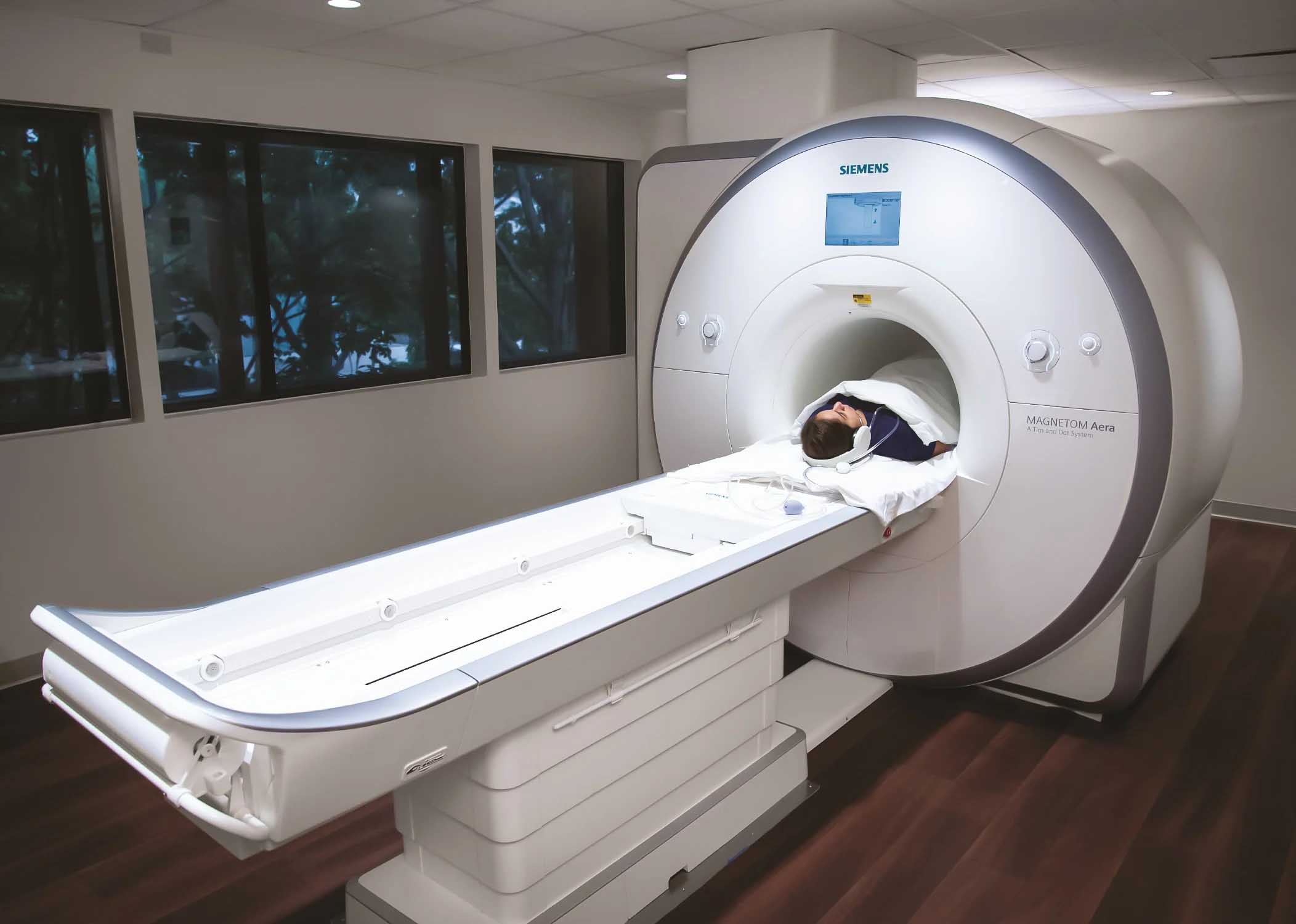
New Delhi, Jan 29: A routine MRI scan may help a doctor assess a heart failure patient, according to a new study, offering an alternative to invasive, risky procedures that measure oxygen levels in blood.
“One of the most important markers in advanced heart failure is how much oxygen is left in blood returning to the right side of the heart,” lead researcher Pankaj Garg, from the UK’s University of East Anglia and a consultant cardiologist at the Norfolk and Norwich University Hospital, said.
Patients of heart failure are required to undergo a ‘right heart catheterisation’ test, in which a tube is inserted in the heart to measure oxygen levels in the blood — this helps doctors understand the severity of the condition.
The procedure can be risky, especially for older, frail or unwell patients, researchers said.
The magnetic resonance imaging (MRI)-based method, described in a paper published in the Journal of the American College of Cardiology (JACC) Advances, could potentially spare thousands from undergoing the risky tube procedure in future, they said.
The newly developed method uses a routine MRI measurement called ‘T2 mapping’ to estimate the amount of oxygen left in the blood that returns to the heart.
“Blood with different oxygen levels behaves slightly differently in a magnetic field. By measuring how that blood reacts (to a magnetic field), we were able to develop a formula that predicts the oxygen reading without ever inserting a tube or taking a blood sample,” Dr Garg said.
The technique was initially tested in 30 patients, results from which revealed that the MRI values closely matched the invasive catheter readings.
Nearly 630 people newly diagnosed with heart failure were then analysed using the MRI method and were followed for around three years.
Those with healthier oxygen readings on MRI were significantly less likely to die or end up in hospital due to their condition, the researchers said.
The MRI-based measurement stayed accurate even after accounting for age, other illnesses and overall heart function, they said.
“One of the most important markers in advanced heart failure is how much oxygen is left in blood returning to the right side of the heart. Until now, getting that number has usually meant a tube test. Our study shows it can be estimated non-invasively from a standard heart MRI,” Dr Garg said.
“Our breakthrough could be a game changer for assessing advanced heart failure. It could allow us to measure risk more safely and more often, especially for patients who are too frail or high-risk for an invasive catheter procedure,” the lead researcher said.
The authors wrote, “The CMR iSvO2 (cardiovascular magnetic resonance mixed venous saturation), measured from simple T2 maps of left and right ventricular blood pool, allows accurate estimation of the invasive mixed venous oxygen saturation.” “In a real-world heart failure registry, iSvO2 is an independent predictor of mortality and heart failure hospitalisation,” they said. (Agencies)
 Follow our WhatsApp channel
