

Dr Satwant Singh Rissam
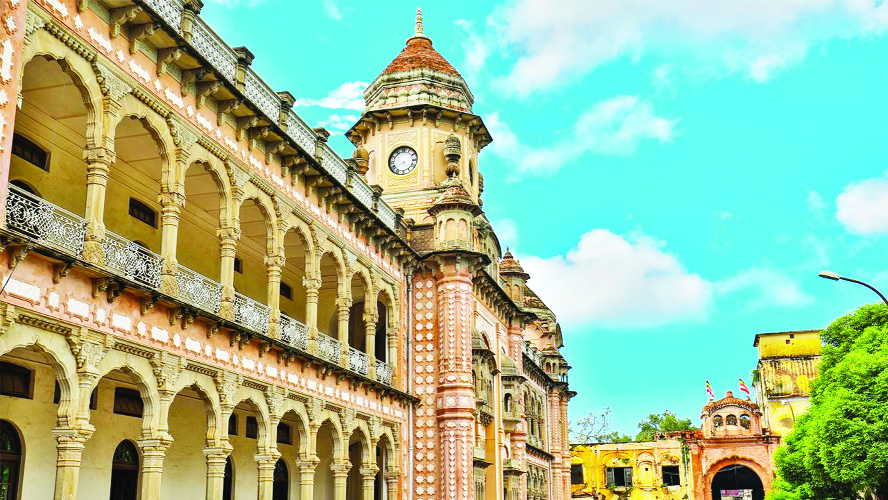
Jammu’s old city is still to be explored by young people of this generation. The city’s narrow lanes reflect the past, as many old traditional houses with unique doors, balconies, and roofs made of wood have stories and traditions associated with them. The layout of Jammu, a region rich in history and culture, mirrors a heritage that dates back 3000 years. The ancient Buddhist Stupa at Ambaran near Akhnoor, Gurdwara Sri Guru Nanak Sahib near Chowk Chabootra Jammu (where Guru Nanak Sahib stayed while returning to Punjab via Kashmir), and the ancient Manwal temples in Udhampur reflect the Jammu region’s diverse historical legacy, which is overlooked or not actively promoted. Even awareness of such many other tangible, intangible and natural heritage in Jammu region remains low due to several social, political, and administrative reasons in Jammu and Kashmir.
Only places like Bagh-e-Bahu, Bawe Wali Mata Temple, Mubarak Mandi, and Jhajjar Kotli have been discussed for decades. However, we have many other scenic and historical sites that are part of our heritage and deserve to be showcased to the world. Civil society, with the help of social media, now can fill this gap in today’s digital age to awaken the government machinery and spread our heritage. Social media has become a powerful tool to bridge the heritage awareness gap. It can be used by all, especially the youth, to preserve, promote, and boost heritage awareness about Jammu. Platforms like Instagram, Facebook, X (Twitter), and YouTube have changed how information is shared and consumed. With millions of users worldwide and a strong presence in India, these platforms present a unique opportunity to showcase Jammu’s heritage to a wide audience.
All the places of heritage importance can be brought to life through engaging visuals and storytelling on Instagram or short videos on YouTube. Similarly, Jammu’s temples can be featured in social media posts, educating users about their architectural and historical importance. A key benefit of using social media for heritage awareness is its ability to engage younger generations because youth tend to be more familiar with global trends than with their local history. Heritage advocates can develop visually appealing, concise content that captures interest using popular platforms such as Instagram Reels. For instance, a reel highlighting the historical significance of the Gurdwara Sri Guru Nanak Sahib near Chowk Chabootra, Jammu, or the peaceful atmosphere of the Buddhist Stupa at Akhnoor could motivate viewers from across the world to discover these sites.
This digital interaction will nurture the importance of religious, cultural, and historical significance for our heritage and help ensure that Jammu’s cultural legacy is passed on to future generations. Similarly, platforms like Facebook allow the creation of groups where locals, historians, and visitors can share stories, photos, and experiences related to Jammu’s heritage sites.
Furthermore, social media will promote community engagement, which is vital for heritage preservation. These initiatives can develop a sense of ownership among residents, encouraging them to protect and promote their cultural treasures. A campaign asking people to post images of lesser-known places like forts or temples with tags like #Jammu Heritage or #Discover Jammu could increase visibility and help build a shared story about the region’s history.
The wide reach of social media also makes it a useful tool for boosting tourism, which in turn will force the local administration to support heritage conservation efforts. Highlighting Jammu’s historic sites to a global audience with platforms like YouTube and X (Twitter) can attract travelers interested in cultural experiences. A professionally made video tour of any heritage site by social media influencers from Jammu or elsewhere could get them prominence among a new audience and further increase the region’s appeal. To enhance the impact of social media, adopting a strategic approach is essential.To make this possible, priority should be on the accuracy of historical facts with a focus on avoiding misinformation or distortion of facts.
This is an important factor in preserving heritage because, in the name of restoration and conservation in J&K, many architectural features are being openly spoiled by using concrete and bricks at many places. The content creators should collaborate with historians, cultural experts, or organisations like The Indian National Trust for Art and Cultural Heritage (INTACH) in Jammu to ensure the authenticity of information shared on social media.
For starting with such a targeted campaign to promote Jammu’s heritage, educational institutions too can encourage students to undertake heritage projects and share their discoveries online, which can boost engagement and help sustain public interest. As Jammu adopts the digital age, using social media for heritage preservation can be another help to ensure that both locals and people around the world value the region’s cultural legacy.
(The author is Media and communication professional)
 Follow our WhatsApp channel
