

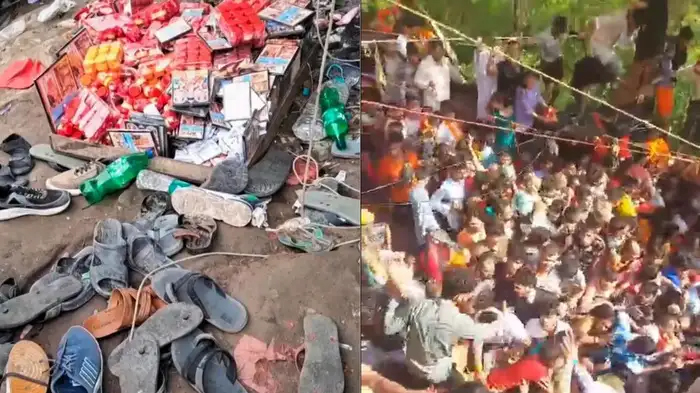
The tragic stampede at Haridwar’s revered Mansa Devi temple on Sunday morning, which claimed eight innocent lives and injured many, is yet another painful reminder of the recurring disasters that mar religious congregations across India. As devotees gathered in large numbers during the holy month of Sawan-a time marked by fervent prayers and pilgrimages-the temple complex, perched atop the Shivalik hills, turned into a scene of panic, fear, and ultimately, death. This time, the panic was reportedly triggered by a rumour of an electric current near the temple stairway. Whether it was an electric scare, a sudden movement in the crowd, or mere overcrowding, the underlying reason remains the same: lack of preparedness, absence of crowd control mechanisms, and administrative apathy. These are not isolated failings-they are systematic, recurring, and wholly preventable.
The District Administration, despite being well aware of the Sawan rush and the usual Sunday swell in footfall, failed to put any effective crowd management strategy in place. There were no regulated entry points, no staggered inflow systems, no proper barricading or demarcation of sensitive areas within the premises, and no public address system to dispel rumours. Women and children, as always, bore the brunt of the chaos. Scenes from the temple show a helpless throng surging through a narrow passage, echoing similar horrifying visuals seen in past stampedes.
It is worth recalling the tragic stampede at the Shri Mata Vaishno Devi Shrine on New Year’s Day in 2022, the Kedarnath deluge mismanagement of 2013, and the chaos during the Kumbh Mela. The script remains hauntingly familiar-pilgrims flock in thousands, authorities sit on their hands, disaster strikes, compensation is announced, and no one is held accountable. The cycle continues unabated. The silence around accountability is perhaps the most frustrating and damaging aspect of these tragedies. Temple management committees, police forces, disaster management units, and district authorities all assign blame without facing any consequences. The announcement of monetary compensation may provide temporary relief to bereaved families, but it does little to prevent the next mishap. Without fixing responsibility and taking disciplinary or legal action against those who failed in their duty, nothing will change.
What India urgently needs is a standardised, enforceable framework for managing religious gatherings, particularly during high-footfall festivals. A comprehensive SOP must be drafted and implemented at all major places of worship to ensure the safety of devotees. This SOP should mandate thorough crowd assessments well in advance of such events and impose strict caps on the number of daily pilgrims, based on the structural capacity of the site and historical crowd data. Real-time surveillance should be ensured through CCTV networks, all coordinated via a centralised control room operating round the clock during peak periods. Areas identified as stampede-prone within temple premises must be clearly marked, barricaded, and constantly monitored to prevent bottlenecks. Additionally, trained crowd marshals and medical response teams should be stationed on-site, equipped to act swiftly in case of panic or injuries, ensuring a safer and more secure environment for all pilgrims. Technology should be an enabler. In an age where mobile apps can guide us through busy metros and airports, temple authorities should deploy smart crowd management systems, offering live updates on footfall, waiting times, and entry slots. Such tools can help stagger visits and reduce congestion.
But even beyond tools and technology, a cultural shift in governance is needed, wherein the safety of the devotees is prioritised over ritualistic complacency and bureaucratic lethargy. Religious faith in India is profound, often emotional, and deeply personal. For many, visiting shrines during auspicious periods like Sawan is a once-in-a-lifetime opportunity. That these sacred journeys should end in injury or death is a collective national shame. As the country mourns the eight lives lost at Mansa Devi, let this not be just another blip on the long list of stampede statistics. Let it serve as a wake-up call for all stakeholders-Government, religious trusts, law enforcement, and citizens-to come together, ensure proactive planning, and finally break this tragic cycle.
 Follow our WhatsApp channel
