

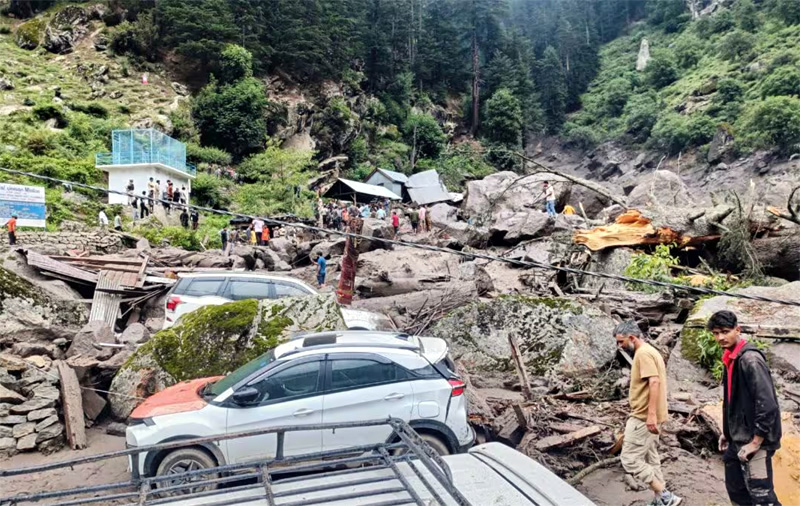
The cloudburst and flash floods in Chashoti, Kishtwar, have once again exposed the fragility of infrastructure in high-altitude pilgrimage destinations. With 65 lives lost, 32 still missing, and widespread destruction of homes, roads, and bridges, the tragedy has left the region shattered. Yet amid this grief, the assurance given by Defence Minister Rajnath Singh to hand over the Kishtwar-Chashoti road to the Border Roads Organisation is of much significance. It signals a long-awaited shift towards creating durable, all-weather connectivity. The current road, built under the PMGSY, has proven inadequate for the increasing influx of pilgrims to Shri Machail Mata Ji Shrine. Unlike the Shri Amarnathji, the Machail Mata route lacks the robust road network and facilities needed for safe and comfortable travel. Most pilgrims rely on motorcycles and small private vehicles to navigate the narrow, landslide-prone tracks-especially dangerous during the monsoon season when the pilgrimage takes place. The Defence Minister’s own inability to reach Chashoti due to bad weather underscores the urgency of this issue.
The decision to entrust BRO with the road upgrade is pragmatic and necessary. BRO has the expertise to deliver resilient, all-weather roads in challenging terrains, and their involvement will not only improve safety but also boost confidence among pilgrims. While this transformation will take time, it is a step in the right direction. Better connectivity will aid religious tourism and strengthen disaster response capabilities in a region vulnerable to any natural calamity. Equally significant is the proposal to establish an Army Goodwill School at Chashoti. Education is a long-term investment in rebuilding shattered communities, and such an institution will provide stability and hope to families devastated by the floods. When livelihoods are lost and homes washed away, education becomes the foundation for a better future.
However, infrastructure development must go beyond roads and schools. The Administration needs to plan holistically for the yatra’s future growth. The Machail Mata pilgrimage is drawing devotees from across India, and the influx will only rise in the coming years. This demands systematic regulation and sustainable infrastructure development. At present, there is no permanent arrangement for parking, langars or accommodations. Makeshift facilities not only strain local resources but also increase vulnerability during disasters. A designated parking zone at a safe location, a permanent langar site, and eco-friendly resting facilities at Chashoti-being the last motorable point-are essential. These should be designed to handle both incoming and outgoing pilgrim traffic without creating bottlenecks or ecological stress. Accommodation infrastructure must also evolve. Simple yet sustainable lodging facilities should replace temporary shelters. These structures should be disaster-resilient and in harmony with the environment. Alongside this, the trekking track to the shrine needs urgent improvement. Considering the monsoon conditions during the yatra, pathways must be strengthened, and weatherproof shelters installed at regular intervals.
Another pressing requirement is a structured system for yatra registration and crowd regulation. The shrine has limited space, and the surrounding terrain cannot support uncontrolled footfall. A regulated, phased pilgrimage-similar to Shri Amarnathji-will ensure safety and maintain ecological balance. Authorities must also plan for adequate medical facilities, emergency evacuation systems, and real-time weather monitoring to avoid future tragedies.
The Government’s proactive response so far has been commendable. Despite inclement weather and technical setbacks, the Defence Minister reached Jammu, visited injured pilgrims at GMC, and reviewed the situation via video conferencing. His assurance of central support and personal outreach to victims reflects the Centre’s seriousness. The Prime Minister’s direct monitoring adds weight to this commitment.
Yet the responsibility now shifts to the local administration. Rebuilding Chashoti must be a priority. Immediate tasks include conducting a detailed project report, identifying safe zones for permanent facilities, and creating a comprehensive yatra management plan for 2025. Funding approvals and execution timelines must align with the next pilgrimage season to restore faith among devotees and ensure safety. The Chashoti tragedy is a grim reminder that development in ecologically fragile zones cannot be reactive-it must be anticipatory. The ultimate goal should be a well-planned, sustainable pilgrimage model that prioritises safety, convenience, and environmental preservation.
 Follow our WhatsApp channel
