

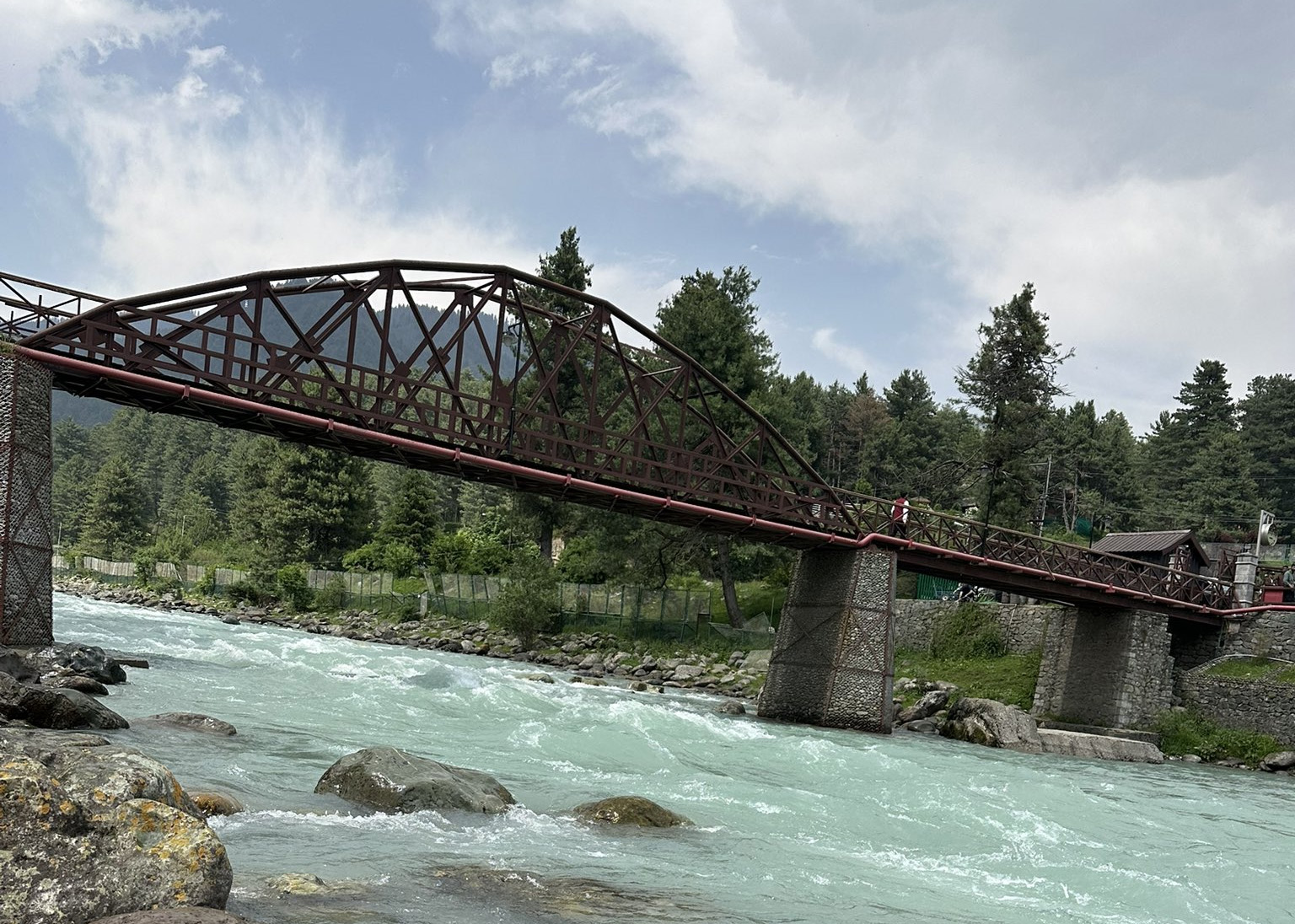
The announcement by Jammu and Kashmir LG to reopen tourist destinations that were temporarily closed after the April 22 terror attack in Pahalgam marks a significant and much-needed development. The attack, which occurred during the peak of the tourist season, was a grim reminder of the persistent threats that terrorism continues to pose in the region. However, it also underscored the importance of a robust, proactive, and constantly evolving security apparatus to ensure that such incidents are never repeated. The decision to reopen a number of destinations in a phased and calibrated manner is a prudent one, prioritising the safety of tourists without undermining the economic importance of tourism in the Union Territory. The picturesque landscapes of Jammu and Kashmir have always captivated the hearts of travellers, and with the addition of modern train connectivity, including the Vande Bharat service, accessibility has improved dramatically. As the Lieutenant Governor rightly pointed out, there has been a surge in bookings, an indicator of growing confidence among tourists. But that trust must not be betrayed. It was the smallest lapse in security that enabled the recent attack, and the authorities must leave no stone unturned in plugging every possible loophole.
The phased reopening of destinations – including Beetab Valley and parks near Pahalgam market, as well as iconic sites like Verinag, Kokernag, and Achabal gardens – reflects a strategic decision backed by ground-level security assessments. In Srinagar, the opening of serene spaces like Badamwari Park and Duck Park further signals a return to normalcy. Similarly, the inclusion of destinations in the Jammu division such as Sarthal, Dhaggar, and Jai Valley not only broadens the tourism map but also provides viable alternatives to the often overcrowded destinations in the Valley.
Particularly significant is the timing of this reopening ahead of the annual ShriAmarnathjiYatra, which commences on July 3. Pahalgam is one of the key base camps for the pilgrimage; ensuring the safety and accessibility of the surrounding areas is vital. The pilgrimage not only holds spiritual significance but also plays a major role in sustaining the local economy. The administration’s assurance of stringent security arrangements for the yatra – including urging pilgrims to travel in convoys under security protection – is commendable and must be followed with strict implementation.
The tragic events of April cannot and should not define the future of tourism in Jammu and Kashmir. Terrorism, for all its destructiveness, cannot be allowed to hold hostage the immense tourism potential of this region. Kishtwar, Doda, and Bhaderwah – which once enjoyed bustling tourist activity – are also back on the tourism radar, and their revival will help distribute tourist footfall more evenly, bringing smiles back to thousands of locals who depend on tourism for their livelihood.
That said, each step forward must be measured. Every destination must be cleared only after a comprehensive threat assessment. The reopening must not be seen as a race to return to business as usual but as a careful recalibration of tourism infrastructure with safety as its cornerstone.
Tourism in Jammu and Kashmir is more than an economic activity. It is a cultural bridge, a livelihood enabler, and a symbol of resilience. The serene beauty of the Valley and the rich heritage of the Jammu region are national treasures that must be safeguarded at all costs. The Government’s current approach, focusing on reviving tourism step by step while addressing security concerns head-on, is balanced and visionary. As the Shri Amarnathji Yatra begins and destinations gradually welcome visitors again, it is essential for every stakeholder – from the administration and security forces to locals and tourists – to work together in safeguarding this resurgence. With caution, coordination, and community involvement, the tourism sector of Jammu and Kashmir can once again flourish, bringing renewed hope, prosperity, and peace to the region.
 Follow our WhatsApp channel
