

Dewanshi Verma
ewanshivermaa@gmail.com
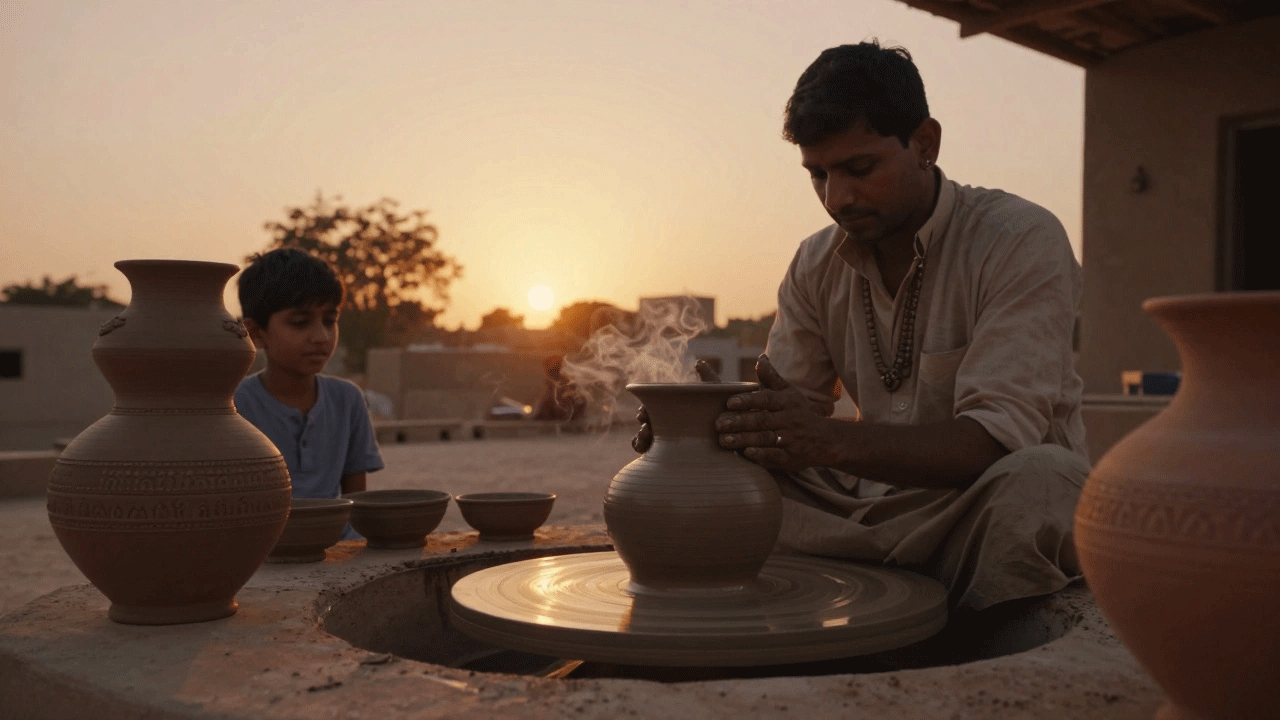
Pottery is one of the oldest crafts in India, with a history that dates back to the Indus Valley Civilization. Traditionally practiced by communities known as kumhars, pottery has played an essential role in daily life by providing functional items such as earthen pots, storage vessels, and diyas. However, in contemporary India, this ancient craft faces a critical question—does it exist as a valued art form, or is it merely a means of survival for artisans?
The decline of pottery as a primary livelihood began with industrialization and the widespread use of alternative materials like plastic, aluminum, and steel. These materials are cheaper, more durable, and easily available, which has significantly reduced the demand for handmade clay products. As a result, pottery has gradually shifted from being a necessity to a niche market, often associated with cultural events, festivals, and home décor.
Economically, traditional potters face multiple challenges. Their income is often unstable due to seasonal demand, especially during festivals like Diwali when diyas are in high demand. Additionally, the involvement of middlemen limits their direct access to markets, reducing profit margins. Lack of modern marketing skills and technological exposure further restricts their ability to compete in a rapidly evolving marketplace. Consequently, many artisans are leaving the profession, leading to a gradual decline in traditional knowledge and skills.
At the same time, pottery has gained recognition as an art form in urban and global contexts. Craft exhibitions, design collaborations, and pottery workshops have increased its visibility, particularly among younger generations. Educational institutions and creative industries are also promoting pottery as a medium of artistic expression. However, this appreciation often benefits urban entrepreneurs rather than rural artisans who continue to struggle financially.
In recent years, the growing emphasis on sustainability has created new opportunities for pottery. Clay products are biodegradable and environmentally friendly, making them a viable alternative to plastic. Government initiatives and e-commerce platforms have also attempted to support artisans by improving market access and promoting traditional crafts.
Pottery in modern India occupies a dual position as both art and survival. While it is increasingly recognized for its cultural and ecological value, the economic condition of traditional potters remains fragile. Sustaining this craft requires not only appreciation but also structured support, fair market access, and integration with contemporary demand.
—
 Follow our WhatsApp channel
