

Prof D Mukherjee
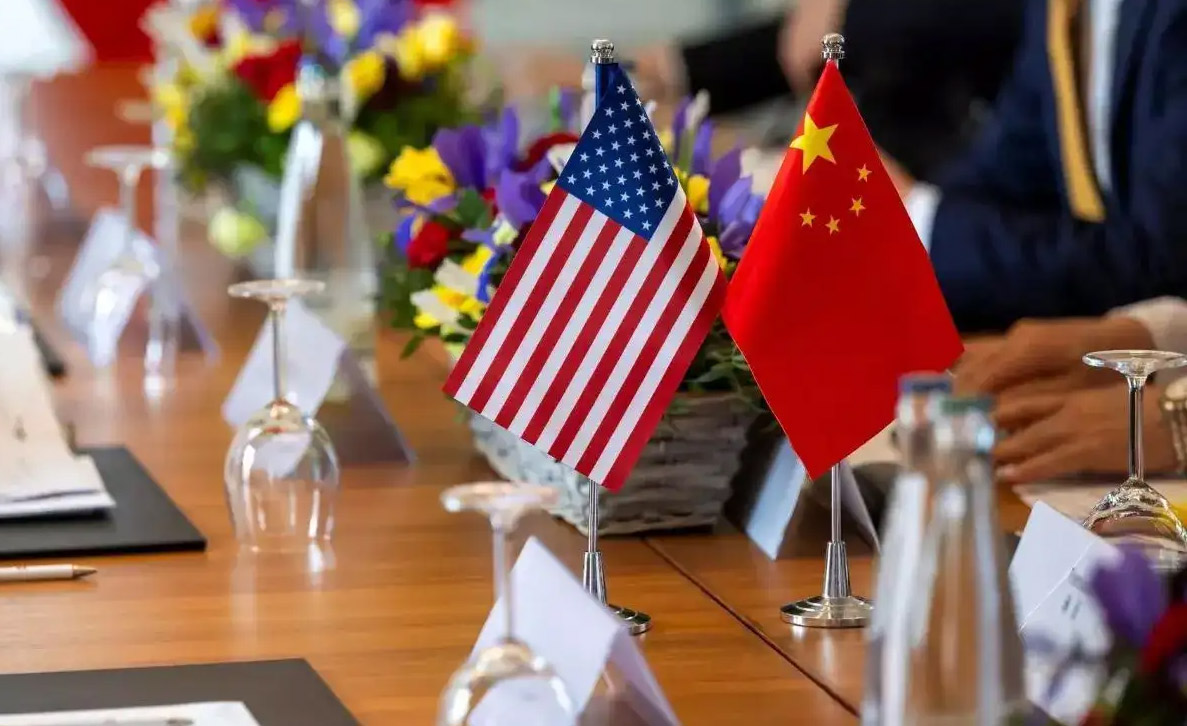
In April 2025, the World Trade Organization (WTO) reported a 6.2% decline in global trade volumes for Q1 2025, primarily driven by escalating tariffs between the US, China, and several Asian economies. According to UNCTAD, the average effective tariff for emerging markets surged from 12.8% in mid-2024 to 34.6% by early 2025, causing global trade losses estimated at $740 billion. The IMF consequently downgraded global GDP growth projections from 3.2% in 2024 to 2.3% for 2025, citing the adverse effects of protectionist measures.An ice-breaking turning point came on May 14, 2025, when the US and China agreed to a 90-day trade truce, significantly easing tensions. The US reduced tariffs from 145% to 30% on various Chinese imports, while China lowered duties on US goods from 125% to 10%. This détente covers over 1,200 product categories, including electronics, vehicles, rare earths, and agricultural goods. Though temporary, this agreement offers a critical pause in the escalating trade conflict amid plummeting stock markets, strained supply chains, and pressure from global businesses. This analysis explores the underlying causes of the truce and proposes a strategic policy roadmap for India, alongside recommendations for the Global South, including key economies like Japan, South Korea, and Vietnam.
Reasons for the temporary halt in trade war escalation are not far to seek. The recent cessation in the intensifying trade conflict between the United States and China-the two largest global economies-may aptly be be attributed to a combination of critical economic and geopolitical factors.A critical factor was the disruption of global supply chains caused by prolonged tariffs, which triggered steep price hikes and critical shortages. In response, multinational corporations lobbied both governments to ease trade restrictions. Recessionary concerns further fuelled the truce. IMF data from Q1 2025 showed a 6.2% decline in global trade, severely impacting smaller economies and export-driven industries in both nations, heightening fears of wider economic instability.Domestic politics also played a decisive role. With US mid-term elections on the horizon and internal dissent rising in China, both administrations sought to reduce economic strain on their populations. Diplomatic pressure added to the urgency: WTO members like Germany and Brazil initiated formal dispute consultations, while allies such as the EU and Australia called for de-escalation.Strategic motives were also evident. China aimed to improve its image globally and build influence within the Global South. Meanwhile, the US viewed the truce as a chance to shift focus toward bolstering transatlantic economic relations. This mix of economic, political, and diplomatic forces created the conditions for a calculated, though temporary, easing of trade tensions.
A crucial driver behind the temporary halt in the US-China trade conflict was the severe disruption of global supply chains. Prolonged tariffs had led to soaring prices and widespread shortages of essential goods, prompting multinational corporations to pressure both Washington and Beijing for relief. Economic instability further intensified the need for de-escalation. The IMF reported a 6.2% contraction in global trade in Q1 2025, significantly affecting smaller economies and export-reliant sectors in both the US and China, thereby raising fears of a global downturn.Domestic political concerns also played a role. With mid-term elections nearing in the US and increasing public dissatisfaction in China, both governments were compelled to ease economic stress. This political calculus made a temporary pause in hostilities a practical move. External diplomatic pressure added to this shift. WTO members like Germany and Brazil initiated dispute consultations, while allies such as the EU and Australia urged de-escalation. Strategically, China aimed to improve its global standing and strengthen ties with the Global South, while the US sought to refocus on transatlantic economic relations.
India, in this evolving trade landscape, must adopt a balanced, interest-driven approach. Her strategy should rest on three pillars: reciprocal trade negotiations, enhanced internal competitiveness, and robust geo-economic diplomacy. Tariff reductions for US imports-like semiconductors or Agri-machinery-should be conditional on reciprocal access for Indian exports in textiles, pharmaceuticals, and digital services. Platforms such as the US-India Trade Policy Forum and the BIT renegotiation must institutionalize fair dispute resolution and tariff discipline. At home, India must bolster domestic competitiveness and secure critical supply chains to reinforce economic resilience. This comprehensive strategy will enable India to protect its interests and assert her global economic position during this uncertain, transitional phase in global trade.
To navigate the shifting global trade dynamics, India must recalibrate its policy tools with a focus on competitiveness, resilience, and geo-economic positioning. A key measure is enhancing the Production Linked Incentive (PLI) scheme by adding an export-performance clause. This would boost productivity and global competitiveness in critical sectors like electronics, electric vehicles (EVs), and solar modules. India should also create Strategic Tariff Buffers for vital imports such as lithium, semiconductors, and rare earth elements to mitigate future price shocks and ensure supply chain stability.Geo-economic diplomacy must become central to India’s trade approach. Amid rising US-China fragmentation, India has the opportunity to present herself as a neutral and reliable trade and investment hub. Initiatives like the India-Middle East-Europe Economic Corridor (IMEC) should be prioritized, while strengthening ties with Africa, ASEAN, and Latin America can diversify India’s global trade outreach.
India must avoid one-sided trade deals, such as the UK’s May 8, 2025 decision to lower tariffs on US imports without equivalent gains. Any US engagement should be firmly based on reciprocity, securing access to American markets, technology transfers, and equitable digital trade terms. Diversifying the export portfolio-in pharmaceuticals, IT, green tech, and textiles-is essential to cushion external shocks.Building strategic reserves and promoting local manufacturing should remain key priorities under the “Make in India” initiative. Finally, India must maintain a strong presence on multilateral platforms like the WTO, BRICS, and IPEF, using these forums to shape global trade norms aligned with national interests and long-term economic sovereignty.
The ripple effects of the US-China trade war have significantly impacted Asia-Pacific economies, prompting nations like Japan, South Korea, and Vietnam to adopt coordinated strategies. Facing tariff hikes of up to 46% on vital industrial and tech exports, these countries must act collectively to safeguard regional stability and economic interests.Japan can leverage its technological and IP strengths through frameworks such as the Comprehensive and Progressive Agreement for Trans-Pacific Partnership (CPTPP), enabling it to influence trade standards and lead stabilization efforts. South Korea, backed by strong R&D and tech leadership, should promote innovation-driven trade norms within APEC and other platforms, negotiating from a position of strength to secure strategic advantages.Vietnam, due to its export dependency and tariff sensitivity, should pursue preferential access under the Indo-Pacific Economic Framework (IPEF) and enhance industrial standards. A unified approach to the World Trade Organization (WTO), contesting arbitrary tariffs, would amplify their collective diplomatic leverage.Forming a regional economic front-through ASEAN+3 or CPTPP-and drafting bilateral contingency pacts can help buffer future trade disruptions, particularly during temporary reprieves like the current 90-day truce initiated on May 14, 2025.This US-China détente is a short-term breather, not a permanent solution. For India and similar economies, only a proactive, principle-driven response can ensure long-term resilience. Establishing a National Tariff Strategy Council (NTSC) involving Commerce, Finance, and External Affairs ministries would enable coordinated policymaking. Additionally, bilateral Free Trade Agreements (FTAs) must include rebalancing clauses to allow swift adjustments when confronted with sudden tariff shifts by trading partners.
These safeguards would make trade deals more adaptable and less vulnerable to external shocks.Investment in trade intelligence infrastructure is another critical frontier. The development of AI-powered platforms for real-time monitoring of global trade flows, tariff movements, and supply chain vulnerabilities will enhance India’s ability to forecast and respond to changes effectively. In tandem, digital export platforms should be scaled up to support small and medium enterprises in navigating complex trade regimes.On the multilateral front, India should take a leadership role in advocating for a WTO ministerial summit focused on the need for emergency tariff discipline. Proposing a global compact for fair and transparent post-crisis trade correction mechanisms could help reinforce the legitimacy of the global trading system and protect smaller economies from unilateral economic aggression.
The current US-China tariff reprieve presents a narrow window for nations to recalibrate their positions. However, this brief easing is far from a definitive settlement. India, therefore, must not misinterpret this moment as stability, but rather use it to strengthen her own economic defences.Countries across the Global South and Asia-Pacific region must also act collectively. Coordinated policy responses-whether through ASEAN, BRICS, CPTPP, or IPEF-would increase their bargaining power in dealings with major economies like the United States and China. To be specific, push for WTO-sanctioned mechanisms that enforce accountability for unjustified tariff increases appears to be a win-win strategy. Further, shifting emphasis from goods-based dependency to services and technology-driven trade partnerships to foster long-term economic resilience is the necessity besides promoting regional cooperation to build shared value chains and reduce exposure to bilateral trade volatility.For India and her peers, the path forward lies not in reactive diplomacy or short-term gains, but in building economic resilience, trade sovereignty, and a long-term vision anchored in fairness, preparedness, and global cooperation.
(The author is an educationist, a management scientist and an independent researcher)
 Follow our WhatsApp channel
