

Plastic waste solutions in Ladakh
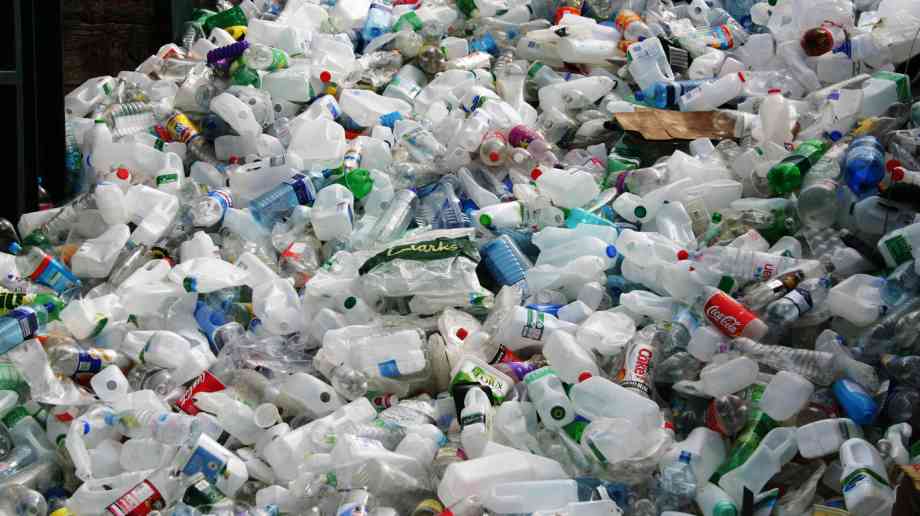
The initiatives undertaken by the UT of Ladakh, particularly in managing plastic waste, represent a crucial step forward in environmental sustainability, especially in the fragile Himalayan ecosystem. The NGT’s concern over the accumulation of plastic waste in the Himalayan region has rightly sparked a wave of responses, with Ladakh standing out for its innovative solutions. A commendable aspect of Ladakh’s waste management strategy is the BRO’s use of plastic waste in road construction. In collaboration with Project Himank, five tonnes of plastic have been incorporated into road-building efforts. This not only tackles the pressing issue of plastic disposal but also exemplifies the circular economy in action, turning waste into a valuable resource. Given the unique challenges posed by Ladakh’s topography, where traditional waste disposal methods are costly and logistically difficult, such initiatives are vital.
Equally notable is the establishment of Ladakh’s first plastic recycling unit in Leh. Operated by M/s Ladakh Recycling Solution, this unit processes two tonnes of plastic daily, converting waste into useful products like plastic tiles and furniture. By keeping the recycling process local, Ladakh cuts down on the environmental and financial costs of transporting waste outside the region. This local recycling effort will further alleviate the pressures of urbanisation, which has surged due to increasing tourist numbers and changing consumption patterns. The involvement of grassroots initiatives such as the Women Alliance of Ladakh, which advocated for a ban on plastic carry bags long before national regulations, is a testament to the community’s deep-rooted environmental consciousness. Ladakh’s ban on single-use plastics since 2021 has further strengthened efforts to combat plastic pollution. However, the challenges remain significant. The improper disposal of plastic threatens Ladakh’s rivers, glaciers, and biodiversity, with microplastics particularly worrisome. The cold desert region, already vulnerable due to its fragile ecosystem, cannot afford to bear the brunt of unscientific waste management. While the efforts of Ladakh’s administration and community organisations are praiseworthy, they must be sustained and expanded. Ladakh’s approach underscores the importance of innovation, collaboration, and community action in safeguarding the region.
 Follow our WhatsApp channel
