

*90% women in J&K anemic: Study
Nawshaba Iqbal
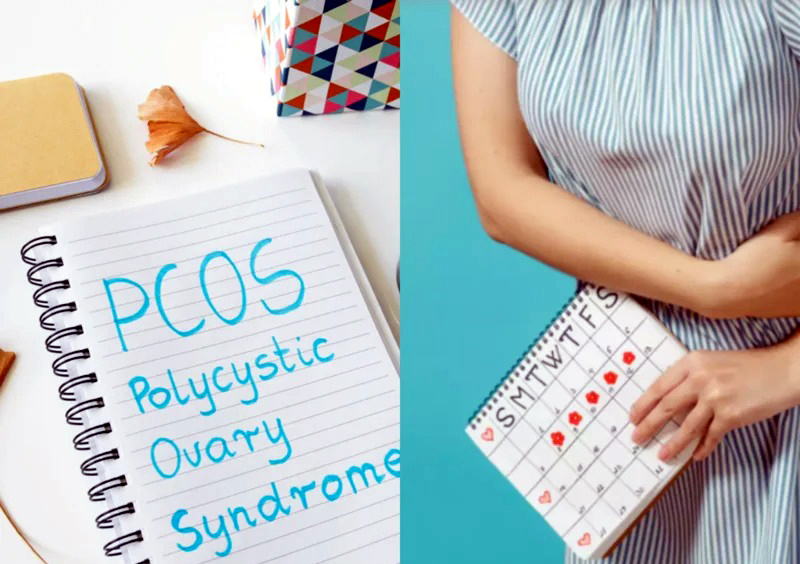
SRINAGAR, Feb 2: The prevalence of polycystic ovarian syndrome (PCOS) cases are on the rise in Kashmir, particularly among young women.
Health experts, who are witnessing a growing number of PCOS cases, warn that lifestyle changes, poor eating habits, and rising stress levels are contributing to the surge.
“Compared to earlier, now almost every third girl is diagnosed with PCOS,” said Dr. Nazima Ashraf, a senior Gynecologist at Government Medical College (GMC), Baramulla.
She referred to a recent study published in an American journal, which she said reported an exceptionally high prevalence of PCOS-35.3%-among 3,300 women aged 15 to 40 years in Kashmir and Northern India.
“Patients usually come to us with irregularities in their cycles, acne, and excessive hair growth. It is because of genetic factors, but an unhealthy diet and lack of physical activity leading to increased Body Mass Index (BMI) is a contributing factor,” Dr. Nazima added.
According to doctors, another study from SKIMS, Soura-which is a national coordinating centre for ICMR-PCOS National Task Force Study-has revealed that women with PCOS tend to consume more dietary fat, which may contribute to the condition even when total calorie intake remains similar.
“This suggests that dietary composition, particularly fat intake, plays a crucial role in PCOS risk,” doctors said.
The spike in PCOS cases has been more prominent among urban dwellers due to sedentary lifestyles and stress.
Iqra Farooq, a 25-year-old patient from Srinagar diagnosed with PCOS, shares her struggle.
“I found myself battling irregular periods, hair loss, weight gain, constant fatigue, and other symptoms. When I finally consulted the doctor, I was diagnosed with PCOS,” she said.
According to Iqra, she became depressed due to the hormonal imbalance, which affected her social life.
“The treatment and lifestyle changes have been tough, but I reclaimed it,” she added.
According to the World Health Organization (WHO), PCOS is a leading cause of infertility worldwide and due to irregular periods, often accompanied by a lack of ovulation, the condition can make it difficult to conceive.
The National Family Health Survey (NFHS) 2019-21 also reports that 90% of women in J&K are anemic due to iron deficiency, which is one of the reasons behind severe menstrual irregularities and can worsen conditions like PCOS.
Doctors emphasize the importance of awareness, timely diagnosis, and lifestyle modifications. “Awareness and early intervention are key,” Dr. Nazima added.
They also recommend regular exercise, a balanced diet, and stress management to prevent and manage PCOS symptoms.
Health experts also stress the need for widespread public engagement to educate society about this condition, which affects millions of women globally.
 Follow our WhatsApp channel
