

NEW DELHI, Mar 2: International oil prices rose about 9 per cent following US and Israeli attacks on Iran and retaliatory strikes by Tehran, but retail petrol and diesel prices in India are unlikely to be increased in the near term, sources said.
Brent crude, the global benchmark, climbed close to USD 80 per barrel, while US-traded crude rose 8.6 per cent to USD 72.79, up from around USD 67 on Friday.
For India, which imports 88 per cent of its requirement of crude oil, which is turned into fuels like petrol and diesel at refineries, higher global prices translate into a larger import bill and potential inflationary pressures.
Follow the Daily Excelsior channel on WhatsApp 03
However, retail fuel prices are not expected to be raised immediately, as the government continues to follow a calibrated policy of allowing companies to build margins when international prices are low and cushioning consumers when rates rise, sources said.
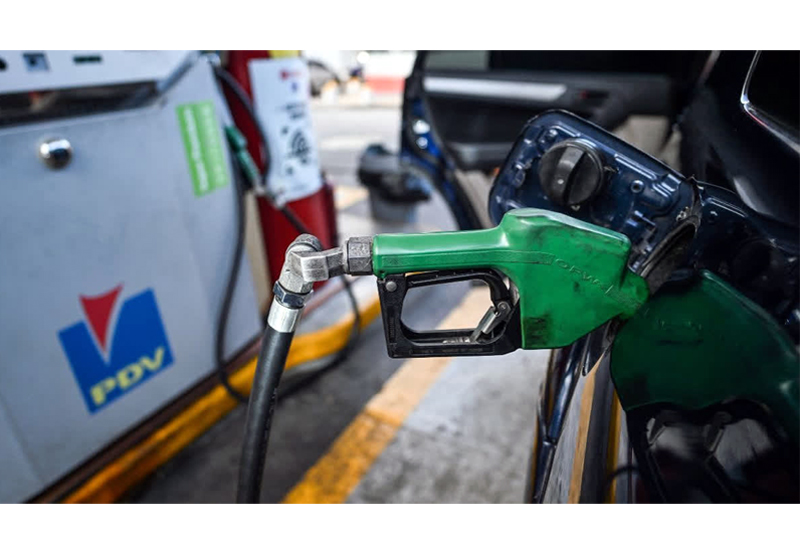
Retail petrol and diesel prices have been on a freeze since April 2022, with fuel retailers like Indian Oil Corporation (IOC), Bharat Petroleum Corporation Ltd (BPCL) and Hindustan Petroleum Corporation Ltd (HPCL) absorbing losses when crude prices are high and making profits when rates are low.
This meant that when globally fuel prices went up in response to elevated crude prices, prices were stable in India. And when softening of crude prices pushed down fuel rates globally, rates in India remained unchanged.
The government wants to continue to shield consumers and the same policy will continue unless there is a huge spike in crude prices, they said.
With assembly elections in critical states like West Bengal, Tamil Nadu, and Assam round the corner, it doesnt want anything that could give the opposition a handle.
As military conflict in the Middle East escalated, Oil Minister Hardeep Singh Puri on Monday reviewed the situation on crude oil, LPG and other petroleum products with senior officials from his ministry and public sector companies.
India imports 88 per cent of its crude oil needs and roughly half of its natural gas requirement. These mostly come via the Strait of Hormuz, which the Iranian authorities have threatened to shut down following attacks by the US and Israel.
“We are continuously monitoring the evolving situation and all steps will be taken in order to ensure availability and affordability of major petroleum products in the country,” the ministry said in a post on X.
Following the US and Israeli attacks on Iranian government, military and nuclear facilities, Iran warned shipping away from the strait and insurers withdrew coverage, effectively halting tanker movements.
“They (oil companies) have enough cushion to sustain this kind of prices spike,” a source with direct knowledge of the matter said. “We have seen prices rise to USD 119 per barrel in June 2022 in the aftermath of the Russia’s invasion of Ukraine. That year they had nominal profits but in FY24 they posted record Rs 81,000 crore profit.” (PTI)
 Follow our WhatsApp channel
