

‘Remediation efforts lag behind’
Seeks fresh, comprehensive report from admn
Mohinder Verma
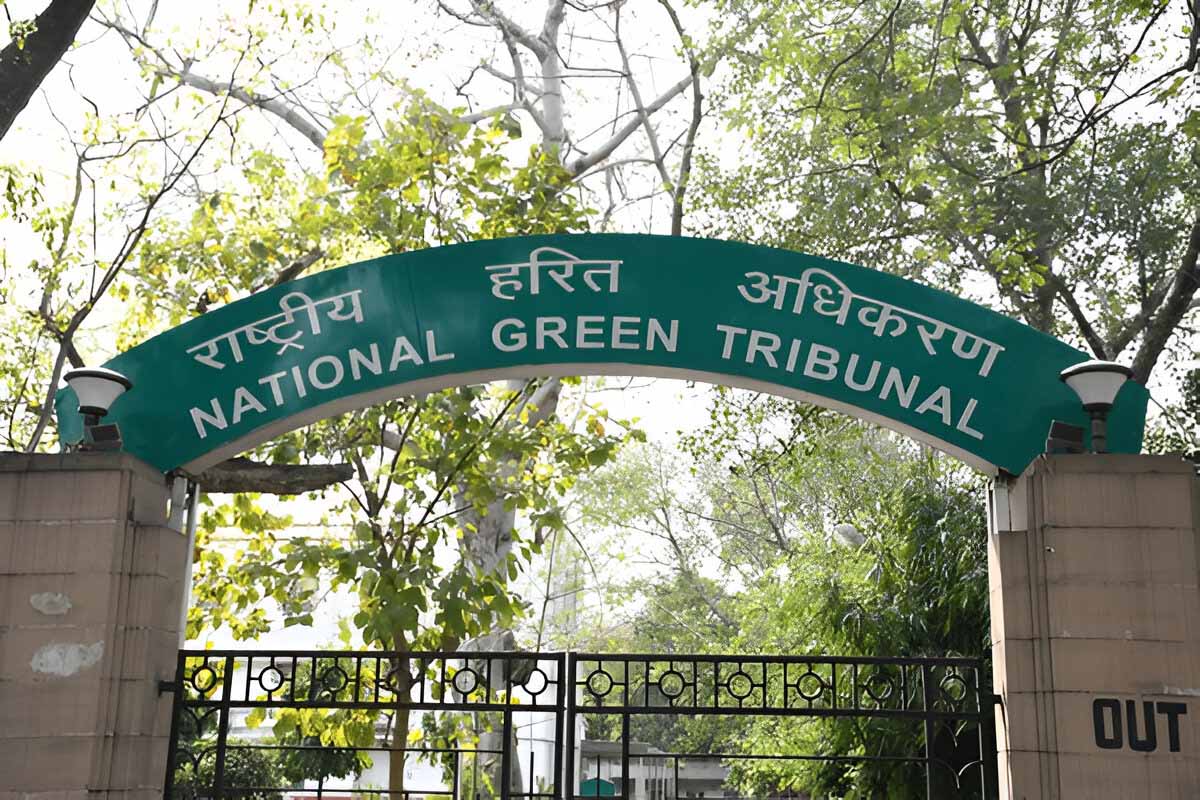
JAMMU, Jan 9: The National Green Tribunal (NGT) has expressed dissatisfaction over the status of pollution control measures in the ecologically sensitive Bhaderwah valley, observing that the latest progress report submitted by the District Administration, Doda, is incomplete and fails to ensure complete remediation of long-pending environmental issues affecting local water bodies.
Follow the Daily Excelsior channel on WhatsApp
Taking suo moto cognizance of a news report titled “Increasing pollution badly affecting water bodies in Bhaderwah”, the Principal Bench of the NGT, comprising Chairperson Justice Prakash Shrivastava and Expert Member Dr A Senthil Vel, has been monitoring the matter since January 2024.
The Tribunal is examining the absence of a proper sewerage management system in the Bhaderwah valley, which has resulted in untreated sewage and septage flowing directly or indirectly into rivers and streams, including the Neeru river system.
Earlier, in March 2025, the NGT had taken note of a report submitted by the District Magistrate, Doda, listing checkpoints, projects and timelines for addressing sewage, solid waste and plastic waste management. However, the Tribunal observed that several deadlines had already expired without corresponding on-ground completion, prompting it to seek an updated progress report.
During the hearing held two days ago, counsel for the respondent referred to a progress report dated January 3, 2026, signed by the Deputy Commissioner, Doda. The report revealed that the proposed establishment of a 4.5 MLD Sewage Treatment Plant (STP) and a 5 KLD Faecal Sludge Treatment Plant (FSTP), intended to treat approximately 1.68 MLD of untreated sewage, has been stalled due to pending litigation in the High Court of J&K, where one of the bidders has challenged the tender process.
Similarly, the construction of Decentralized Wastewater Treatment Systems (DEWATS) in rural areas such as Monda and Udrana was disrupted after the sites were found to be flood-prone following unprecedented rainfall. Consultants have now declared these locations unsuitable, forcing the authorities to explore alternative sites, further delaying remediation efforts.
While the report highlights certain achievements such as the sealing of the old slaughterhouse, operationalisation of hospital STPs, installation of STPs in two hotels, construction of soakage pits and expansion of door-to-door waste collection, the Tribunal was not convinced that these measures are sufficient to address the overall environmental degradation.
The bio-effluent treatment plant at the new slaughterhouse remains only 50 per cent complete despite multiple tender attempts. Biomining of nearly 10,000 metric tonnes of legacy waste at the Dranga dumping site has also been delayed due to flood damage, with restoration DPRs still awaiting approval, the Tribunal observed.
The NGT further noted, “for the plastic waste management unit, construction work was initiated. However, shortly thereafter, a portion of the adjacent BRO road subsided, followed by an unprecedented spell of rainfall, which adversely affected the construction. It is now claimed that the work will be completed by March this year”.
Unimpressed by fragmented reporting, the NGT categorically stated that the information placed before it was not only incomplete but also failed to provide for complete remediation of the problem. The Bench further noted that timelines for several key activities are set to expire within the next two to three months, raising doubts over the seriousness of implementation on the ground.
The Tribunal has now directed the respondent to submit a fresh, comprehensive and complete progress report by way of an affidavit, clearly disclosing work already completed and providing definitive timelines for all remaining components, at least one week before the next hearing.
The case has been listed for further hearing on April 7, 2026, when the Tribunal will review compliance and may consider issuing stricter directions if tangible progress is not demonstrated.
Environmental experts believe the NGT’s stern observations underscore systemic issues such as delayed decision-making, lack of coordination among departments, and over-reliance on external factors, while fragile Himalayan ecosystems continue to bear the brunt of untreated waste.
 Follow our WhatsApp channel
