

Water samples found beyond prescribed parameters
*Seeks details of remedial, punitive action
Mohinder Verma
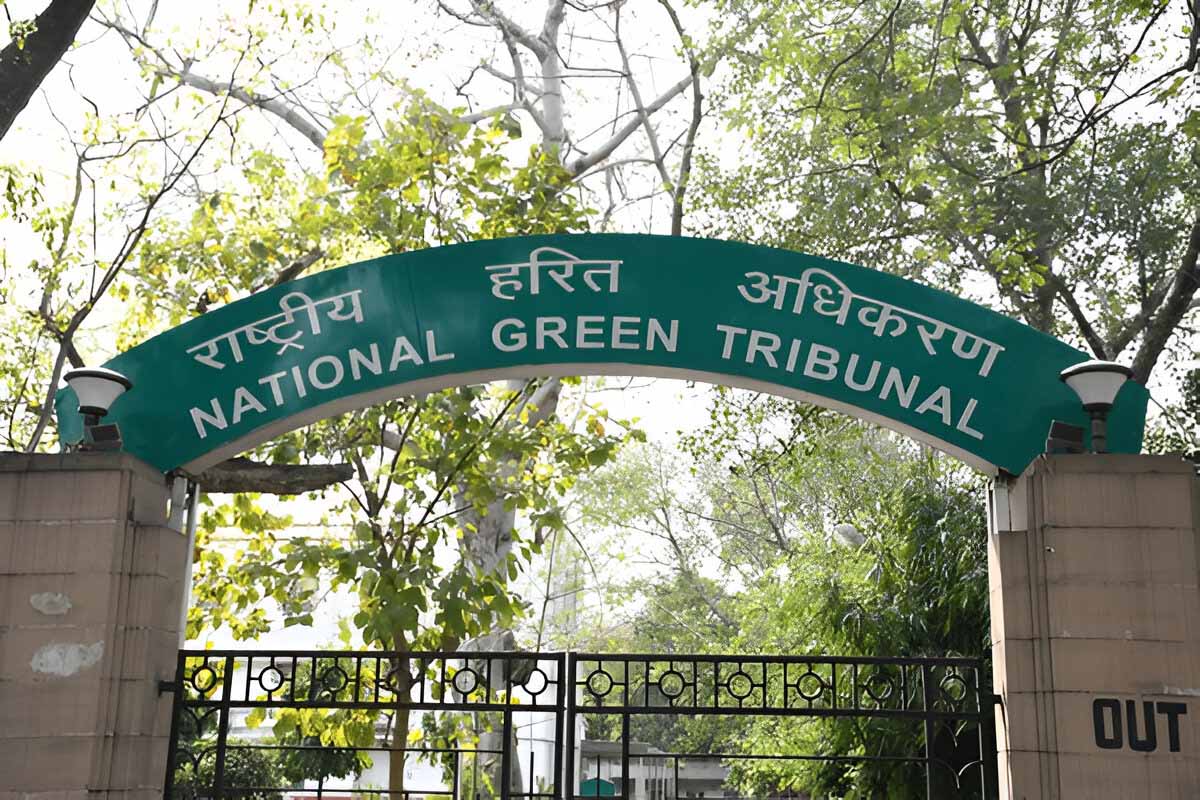
JAMMU, Nov 23: The National Green Tribunal (NGT) has expressed serious concern over the deteriorating condition of wetlands across Jammu and Kashmir as water samples collected from large number of wetlands were found to be beyond the prescribed parameters. Accordingly, the Tribunal has sought details of remedial and punitive action taken by the concerned authorities.
Follow the Daily Excelsior channel on WhatsApp
The bench of Tribunal comprising Justice Prakash Shrivastava (Chairperson) and Dr A Senthil Vel (Expert Member) was hearing a suo motu case based on a news report. In this case, the Tribunal is considering the issue of deteriorating condition of wetlands in J&K as the cause as reflected in the report on the basis of which suo motu action was initiated is illegal encroachment, cultivation activities, waste discharge, sedimentation etc.
The Ministry of Environment, Forest and Climate Change filed an additional affidavit dated November 15, 2025 updating the Tribunal on the ongoing ground-truthing exercise being carried out across the UT. It was submitted that the position in respect of the area of the wetlands as per the old revenue record will be reflected in the next report.
Pointing towards the report dated November 10, 2025 filed by Jammu and Kashmir Pollution Control Committee, the NGT observed, “the water samples were collected from 88 wetlands in the eight districts of Kashmir division and majority failed to meet Class-B (outdoor bathing) water quality standards, particularly for Biochemical Oxygen Demand (BOD), Dissolved Oxygen (DO) and faecal coliform.
The district wise results are: Bandipora: 26 of 28 samples failed BOD standards; 1 failed for faecal coliform. Kupwara: 19 of 23 samples failed BOD criteria. Ganderbal: 9 of 14 samples failed BOD limits. Baramulla: 6 of 7 samples failed BOD standards. Pulwama: All 6 samples failed BOD and DO norms. Anantnag: Only wetland sample met the criteria. Srinagar: All 5 samples failed BOD; 4 failed faecal coliform norms. Budgam:1 sample failed BOD and 2 failed DO.
As far as Jammu division is concerned, a total of 35 samples were tested and all wetlands in Jammu South, Jammu North, Kathua, Samba North failed to meet Class B criteria. The breakup of the results is: Kishtwar: 1 of 2 samples (Bimal Nag) passed. Samba South: 2 of 5 samples (including Bimal Nag) met norms. Ramban: Samples from Sanasar and Jabor Sar passed. Udhampur: Dalsar Lake met Class-B parameters.
Despite the alarming water quality results, the Tribunal observed that report did not mention any remedial or punitive measures taken against violators contributing to the wetlands’ pollution.
“A compliance report is also required to be submitted in respect of Supreme Court of India order dated 05.03.2019 passed in Civil Appeal No. 5016 of 2016 in the matter of Mantri Techzone Pvt Ltd directing to maintain distance from water bodies and wetlands”, the NGT said.
As per the Supreme Court order, there should be distance of 75 meters from the periphery of water body in case of lakes and this buffer/green zone should be treated as no construction zone for all intent and purposes.
The Jammu and Kashmir Pollution Control Committee assured the Tribunal that details of corrective and punitive actions would be submitted in the next compliance report. Similarly, Ministry of Environment and Forest has been directed to submit fresh report on progress on ground-truthing and GIS uploads, remedial and punitive steps taken and compliance with the Supreme Court buffer zone guidelines.
The matter will be heard next on February 13, 2026.
 Follow our WhatsApp channel
