

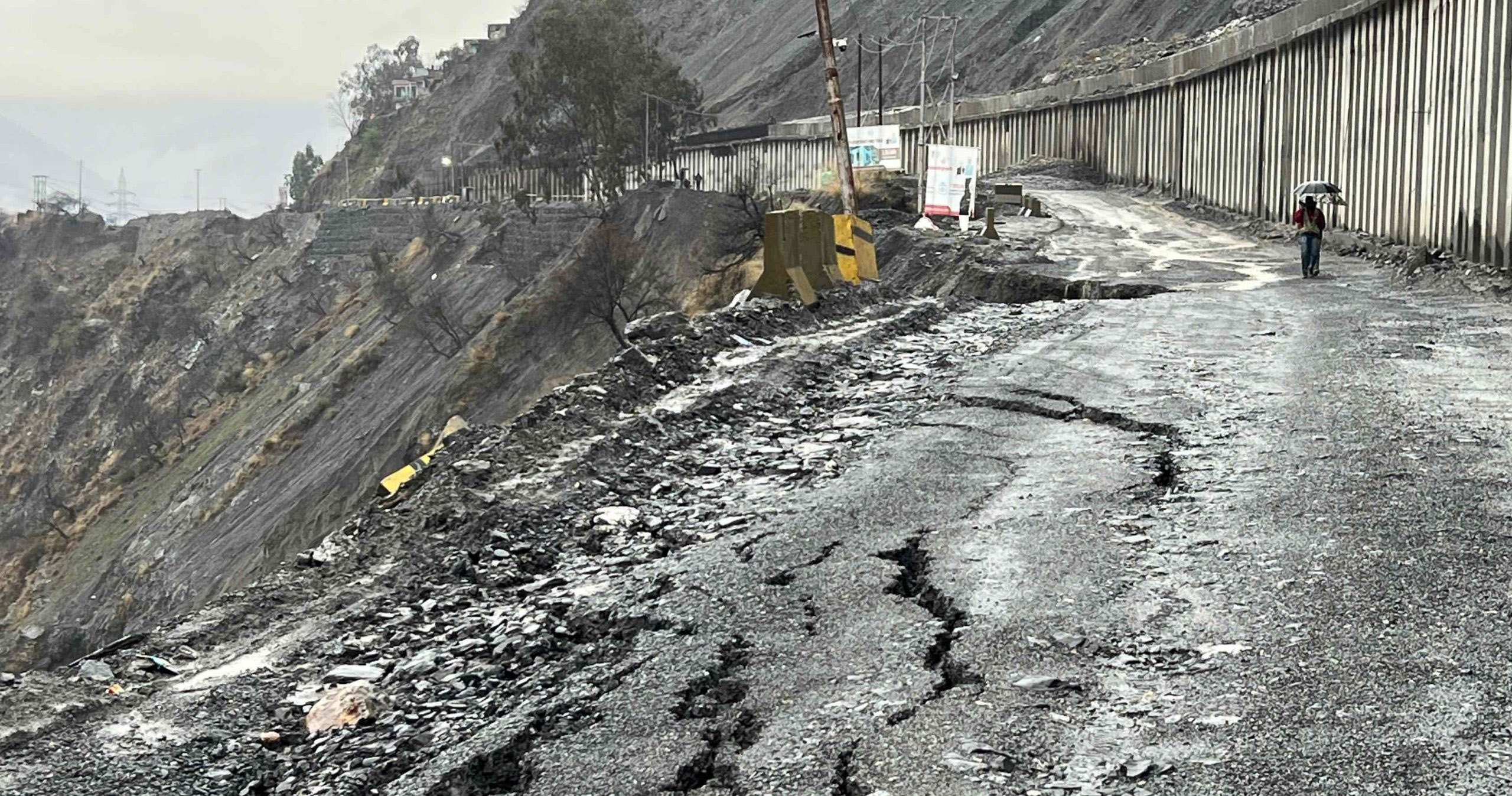
Jammu’s roads have become dangerous and treacherous. From the bustling city lanes to the remote rural stretches, the story is the same-cracked surfaces, deep potholes, eroded edges, and waterlogged stretches that make driving a gamble with life. Every monsoon brings the same script-heavy rains batter the roads, surfaces give way, potholes deepen, and traffic accidents rise. What follows is the age-old ritual: a survey of the damage, submission of proposals, pleas for sanction of funds, tendering, and eventual repairs-just in time for the next monsoon to undo everything. This vicious cycle seems less like inefficiency and more like an intentional process that benefits contractors and officials, while the ultimate loser remains the common public. What makes this even more unacceptable is the sheer scale of public money involved. Hundreds of crores are spent annually on road repairs and maintenance, yet there is no visible improvement. Citizens pay hefty road taxes, vehicle registration fees, and even a cess on fuel-supposedly for road infrastructure. And what do they get? Roads are riddled with potholes, making every journey an exercise in risk and patience.
The build quality of our roads is a matter of concern. If a road cannot survive a single monsoon, what purpose does maintenance serve? This is where the contrast with Pune’s iconic JangliMaharaj Road becomes instructive. Constructed in 1976, JM Road remains largely pothole-free even after nearly five decades. The technology used then is the same as today, but the difference lies in quality, accountability, and intent. Superior material, proper compaction, well-laid drainage, and strong contractual guarantees made that road a lasting marvel. Compare that to today’s scenario, where roads crumble within months of being laid, and the reasons are obvious-poor quality control and compromised execution. Leave alone, old, even newly laid four-lane roads, such as the stretch from Canal onwards, which were touted as examples of modern technology, have no proper drainage or side channels. It is no secret that water is the main culprit behind pothole formation. Yet, year after year, drainage remains an afterthought, not an integral part of road design.
The situation is alarming. Busy roads like New Plot-Kot Bhalwal, Jewel-Talab Tillo, Gole Gujral, and Bantalab-Akhnoor are not just damaged; they are accident-prone. For two-wheelers, especially, riding at night has become a nightmare. A sudden pothole, often concealed under rainwater, can be fatal. In rural belts like Gho Manhasa, Marh and Gajansoo, the roads are barely motorable. Some areas are virtually cut off. The human and economic costs of this neglect are staggering. Vehicle owners spend thousands on repairs caused by bad roads, while accidents-often fatal-continue to rise. For bikers, the risks are enormous; for rural residents, the lack of motorable roads isolates entire communities. This is not a mere inconvenience; it is a systemic failure affecting lives and livelihoods.
What adds insult to injury is the bureaucratic delay. The PWD has “identified” the damaged roads and submitted proposals for funds. When the department knows the quality of roads and anticipates monsoon damage, why are funds not allocated in advance? Why do citizens have to endure months of hardship before repairs begin? Ironically, the same department excuses its inaction by citing rainfall, yet manages to lay fresh roads on city flyovers and certain VIP routes during the very same season.
A proper investigation must look into multiple aspects, such as why waterlogging remains a chronic issue, why drainage systems are consistently missing from modern projects, why road quality remains so poor despite the availability of modern equipment and materials, who is responsible for the recurring wastage of public funds, and most importantly, how the PWD manages to escape scrutiny year after year. A properly maintained road is not a luxury; it is a necessity. The Government must immediately release funds for urgent repairs, restore natural water channels, and enforce strict quality checks during construction. Accountability should be non-negotiable, with punitive action against contractors and officials for substandard work. Until then, Jammu’s roads will remain symbols of neglect.
 Follow our WhatsApp channel
