

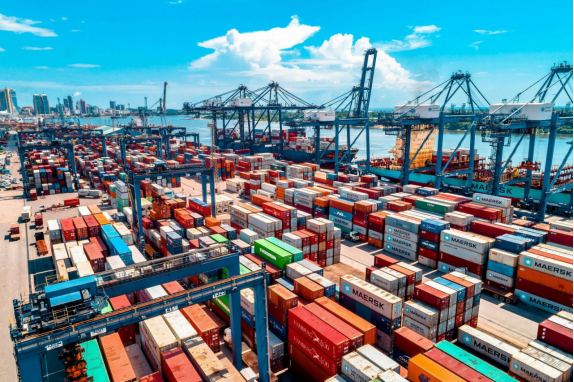
In today’s fast-paced global economy, logistics efficiency is no longer optional—it’s essential. From manufacturers to retailers, the need to move goods quickly, securely, and cost-effectively has put the humble shipping container at the center of the conversation. Whether you’re in freight, construction, or retail, understanding the current value and versatility of shipping containers for sale can give your business a logistical edge.
Standardization Has Changed Global Shipping
The standardization of container sizes and intermodal transport has reshaped international trade. With 20- and 40-foot containers compatible across cargo ships, rail, and trucks, companies can streamline their supply chains from factory to warehouse with minimal handling. According to the World Shipping Council, nearly 90% of non-bulk cargo worldwide is transported in containers. This uniformity saves time, reduces labor costs, and minimizes product damage—making containers indispensable for businesses across sectors.
Repurposing Containers Beyond Shipping
The durability and modular design of steel containers have also led to their adoption in non-logistics sectors. From mobile offices on construction sites to temperature-controlled storage for medical supplies, their usage has expanded rapidly. Forward-thinking organizations are even repurposing containers into sustainable retail kiosks, pop-up shops, and disaster relief housing.
This growing trend has fueled a demand not just for rental units but for shipping containers for sale, as businesses look for long-term solutions. When choosing a container for purchase, it’s essential to inspect for structural integrity, rust, and previous usage—especially if it’s being used for something other than freight.
Cost Efficiency Drives Purchase Decisions
Purchasing a container rather than renting one offers several cost-saving advantages. Owning the unit eliminates recurring rental fees and gives businesses more control over how the container is customized or modified. Companies in warehousing, agriculture, or construction often converted containers into storage units, reducing the need for costly warehouse space.
Reputable sea can providers offer new, used, or refurbished options, giving businesses a wide range of price points and conditions. When reviewing vendors, ensure their inventory is aligned with your intended use and local compliance regulations.
Compliance and Environmental Considerations
As environmental and zoning regulations evolve, so too must your approach to container procurement. The EPA and local municipalities often have specific guidelines for container placement, drainage, and long-term use—especially in residential or environmentally sensitive areas. For example, containers used for hazardous material storage may need spill containment or anchoring to meet state or provincial standards.
Moreover, organizations looking to reduce their carbon footprint are embracing refurbished containers as a form of sustainable infrastructure. According to the U.S. Green Building Council, using recycled materials in construction can contribute to LEED certification credits, making containers an attractive option in green building initiatives.
Strategy Meets Sustainability
Shipping containers offer more than just transport—they are strategic assets that support scalability, security, and sustainability. As companies across industries reimagine how they store, ship, and structure their operations, owning a container becomes not just practical but progressive.
For those exploring residential applications like tiny homes or mobile dwellings, here’s a useful guide on shipping container homes to learn more.
Authoritative Sources:
 Follow our WhatsApp channel
