

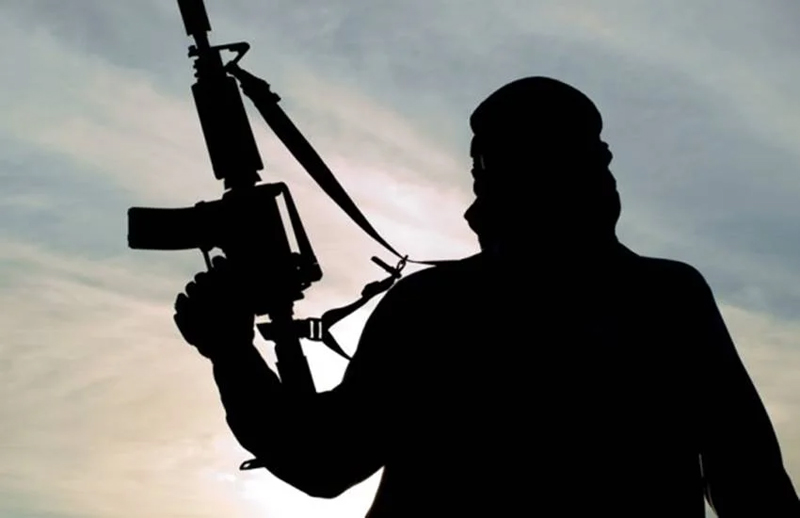
The busting of a major terror-linked arms trafficking module by Delhi Police in the NCR is a stark reminder that the threat landscape in India remains both active and evolving. The recovery of sophisticated foreign-made weapons-including a submachine gun and high-end pistols-points not merely to criminal enterprise but to the possible prevention of large-scale, high-impact terror incidents. What makes this case particularly alarming is the clear cross-border dimension. The supply chain, traced back to handlers linked with Pakistan and routed through Nepal and Bangladesh, reinforces long-standing concerns about sustained efforts to destabilise India through proxy networks. The persistent use of the Indo-Nepal border as a conduit for illegal arms and infiltration is no longer an episodic issue-it has become a systemic vulnerability demanding urgent strategic recalibration.
Equally troubling is the depth and spread of the network. With operatives and linkages across multiple states, the module reflects a decentralised yet coordinated architecture designed to evade detection. This pattern echoes past incidents, including the Red Fort attack, which were once seen as isolated but now appear part of a continuum of attempts to revive and sustain terror activity across the country. The Andhra Pradesh arrests further underline a parallel and equally dangerous trend-digital radicalisation. The use of encrypted platforms, VoIP communications, and social media propaganda shows how terror networks are blending physical logistics with virtual indoctrination. Pakistan-based handlers and global jihadist outfits are clearly investing in influencing vulnerable youth, recruiting them for both ideological and operational roles.
However, the success of this operation also highlights a critical counterpoint: the growing effectiveness of intelligence-led policing. Advanced digital surveillance, coupled with human intelligence, has once again proven decisive. The ability of agencies to track encrypted communications, map financial trails through hawala channels, and conduct coordinated multi-state operations deserves recognition. It is evident that proactive monitoring, rather than reactive response, is increasingly shaping India’s counter-terror strategy. The larger message is clear: terrorism in India is not dormant-it is being continuously incubated through cross-border support, technological adaptation, and domestic recruitment. The challenge ahead lies in sealing structural gaps-particularly border vulnerabilities-and countering radicalisation.
 Follow our WhatsApp channel
