

Excelsior Correspondent
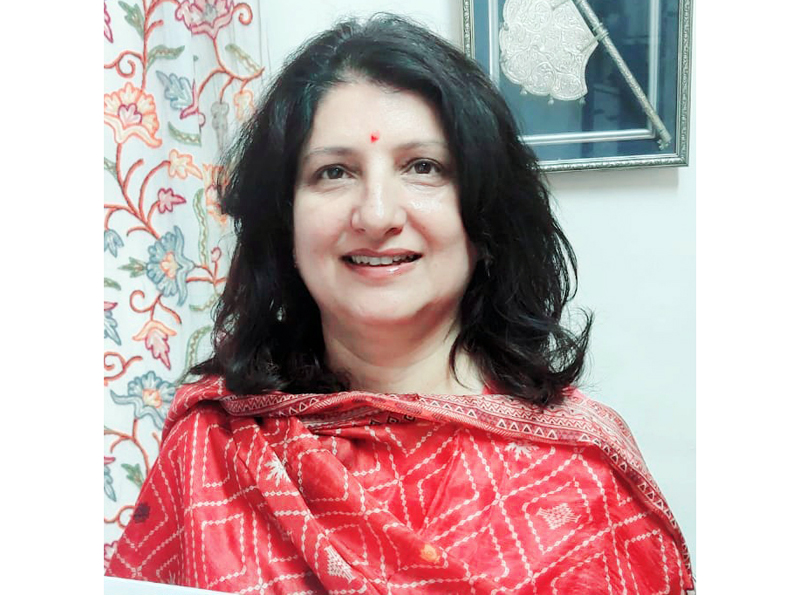
JAMMU, Dec 16: Dr Mrinalini Atrey, Secretary-General of the International Committee on Intangible Cultural Heritage (ICICH-ICOMOS Internat-ional), represented ICOMOS International, an official advisory body to UNESCO, at the Twentieth Session of the Intergovernmental Committee for the Safeguarding of Intangible Cultural Heritage, held at the Red Fort in New Delhi.
Apart from the IGC.20Com proceedings, Dr Atrey contributed to two high level side events: the Round Table on Cultural Heritage Tourism and Living Heritage, organised by the ICHNGO Forum, ICICH, and Banglanatak.com (Contact Base); and the session Living Heritage, Climate Change and Development: An Indian Perspective, co organised by ICOMOS India and ICICH.
These platforms brought together global experts, policymakers, and community representatives to explore ethical frameworks for community-led ICH tourism and the role of living heritage in climate resilience.
In her address at the Round Table, Dr Atrey highlighted the relevance of the ICICH Charter, adopted in November 2024, in guiding responsible and community-sensitive tourism. “Tourism is a bridge between communities and visitors, memory and modernity, local identity and global curiosity,” she noted, underscoring the need for balance and responsibility.
She emphasised the Charter’s values-based framework, which supports heritage custodians and planners in managing the delicate relationship between access and protection. By foregrounding intangible cultural heritage – the rituals, oral traditions, and social practices that give meaning to place – she called for participatory, community-led tourism models that genuinely honour living traditions.
At the climate-focused side event, Dr Atrey spoke on India’s diverse living heritage as a reservoir of ecological knowledge, climate resilience, and community-led development. She highlighted the responsibility of ICOMOS and ICICH in documenting practices such as traditional cropping, water harvesting, eco-crafts, and seasonal rituals, and translating them into policy-relevant narratives. She advocated for embedding intangible cultural heritage within India’s SDG and climate action frameworks, and for heritage-sensitive development policies that respect community knowledge systems.
On behalf of ICOMOS ICICH, Dr Atrey and her team also held discussions with partner organizations, including the ICHNGO FORUM, to explore modalities for future collaboration.
 Follow our WhatsApp channel
