

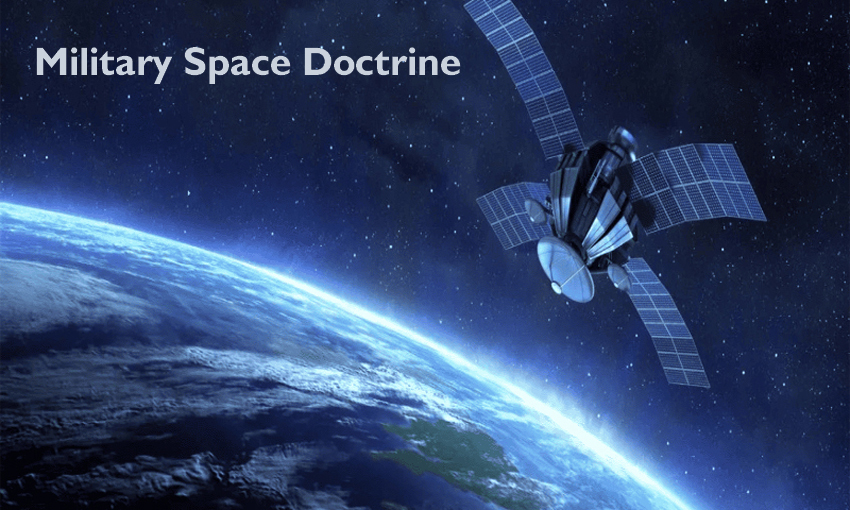
India’s move to develop a comprehensive military space doctrine, as announced by the Chief of Defence Staff, signals a pivotal moment in its strategic evolution. With the rapid militarisation of space by global powers and the emergence of space as a contested domain, this doctrine comes not just as a necessity, but as a long-overdue step to secure India’s interests in the final frontier. The proposed doctrine will serve as a blueprint for India’s defence posture in space. Alongside the formulation of a national military space policy, this initiative underscores a growing recognition that future conflicts will extend far beyond traditional theatres of land, sea, and air. Space will increasingly influence and potentially determine outcomes across all other domains of warfare.
The creation of a space culture-through research, doctrinal thinking, legal frameworks, and dedicated institutions-highlights a forward-looking approach. While India has made commendable strides in civilian space exploration via ISRO, integrating military objectives within the space domain demands a new mindset. This involves not just technological readiness, but intellectual preparedness: military doctrines, space diplomacy, and academic ecosystems that can navigate the complexities of orbital security and deterrence. The approved 52-satellite constellation, including 31 to be built by the private sector, also signals an encouraging public-private synergy in defence infrastructure. These satellites, dedicated to intelligence, surveillance, and reconnaissance, will be key assets in a time when space-based data is crucial for strategic decision-making. With adversaries showcasing advanced capabilities like on-orbit manoeuvres, India’s push for an integrated satellite communication grid and resilient space assets is a timely countermeasure. Moreover, the Defence Space Agency’s role as the central hub for space-related military activities is increasingly critical. The agency’s progress reflects India’s attempt to emulate space forces seen in nations like the U.S. and China, ensuring it remains a relevant player in the growing arena of space power politics.
 Follow our WhatsApp channel
