

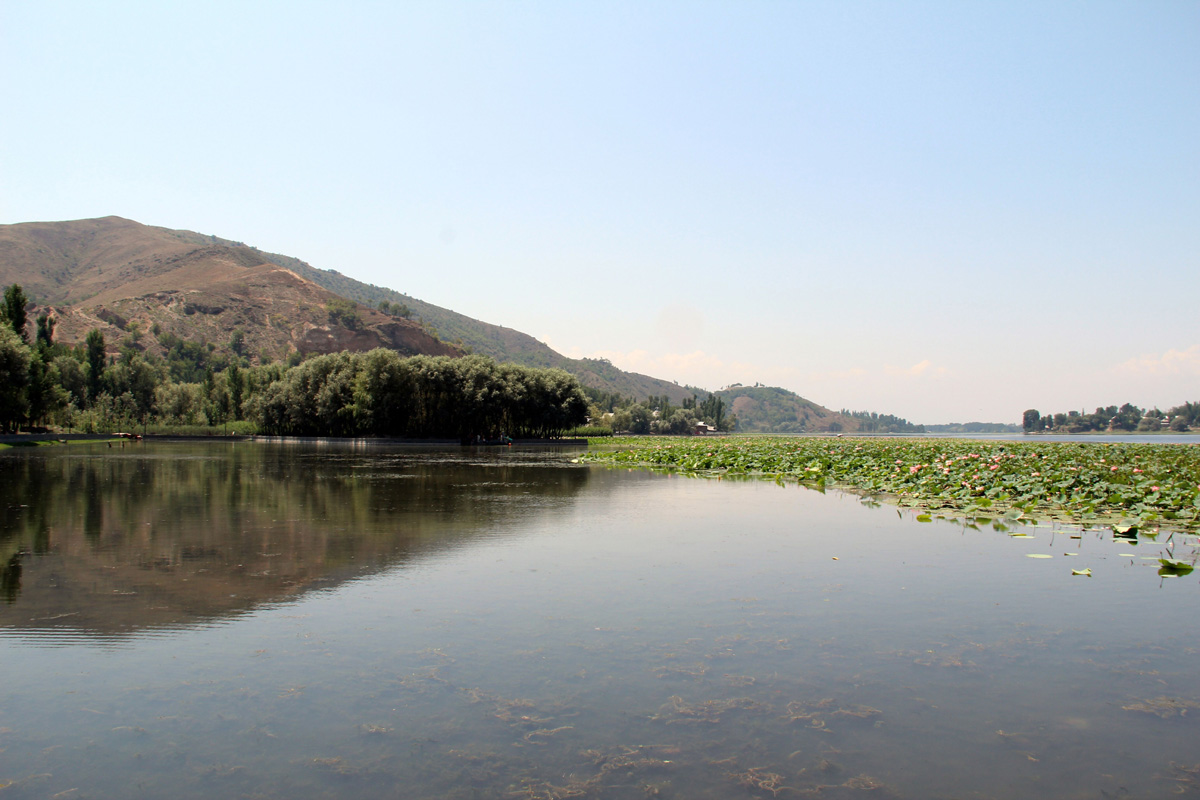
Tourism today is no longer limited to sightseeing or enjoying landscapes. The modern traveller seeks experiences-unique, immersive, and rooted in local culture and livelihood. In this context, the inauguration of India’s first Seri-Eco Tourism project at Manasbal in Ganderbal marks an important milestone. It is a vision of how existing economic activities can be reimagined as destinations in themselves. The project turns the Central Silk Board’s Basic Seed Farm into an open classroom for visitors. It takes them through the entire journey-from mulberry cultivation and silkworm rearing to cocoon reeling and weaving. In a country where silk enjoys enduring fascination, the opportunity to witness its creation firsthand is extraordinary. What was earlier limited to scientists, farmers, and artisans has now been opened for curious travellers, creating a new dimension of learning and appreciation.
The uniqueness of this initiative lies not only in its subject matter but also in its setting. Kashmir’s breathtaking natural beauty already makes it a prime attraction. Adding to this, the Manasbal farm houses India’s only Temperate Mulberry Germplasm Bank, conserving 150 mulberry genotypes sourced from 17 countries. For tourists, this is a rare chance to experience biodiversity conservation, heritage, and craftsmanship all in one visit. Equally significant is the project’s focus on women’s participation. Sericulture in India has traditionally been women-driven, and showcasing this empowerment narrative adds social depth to the visitor experience.
The strength of the Manasbal model lies in its minimal additional requirements. The infrastructure-farms, rearing units, and research facilities-already exists. With the addition of simple tourist amenities such as guided tours, interpretation centres, and a well-run cafeteria, the project can generate valuable employment opportunities without straining local resources. It creates a sustainable revenue stream for rural communities. The initiative sets an example for the UT. Other sectors-be it saffron farming in Pampore, apple orchards in Shopian, or walnut processing in Kupwara-can be similarly opened to tourists. Each economic activity carries a story waiting to be told, an experience waiting to be shared. Manasbal demonstrates that with creativity and vision, livelihood and tourism can go hand in hand. This project is not just about silk; it is about rethinking tourism itself.
 Follow our WhatsApp channel
