

Makes licencing mandatory for de-addiction centres to function in J&K
* Existing centres given six months to comply with norms
Bivek Mathur
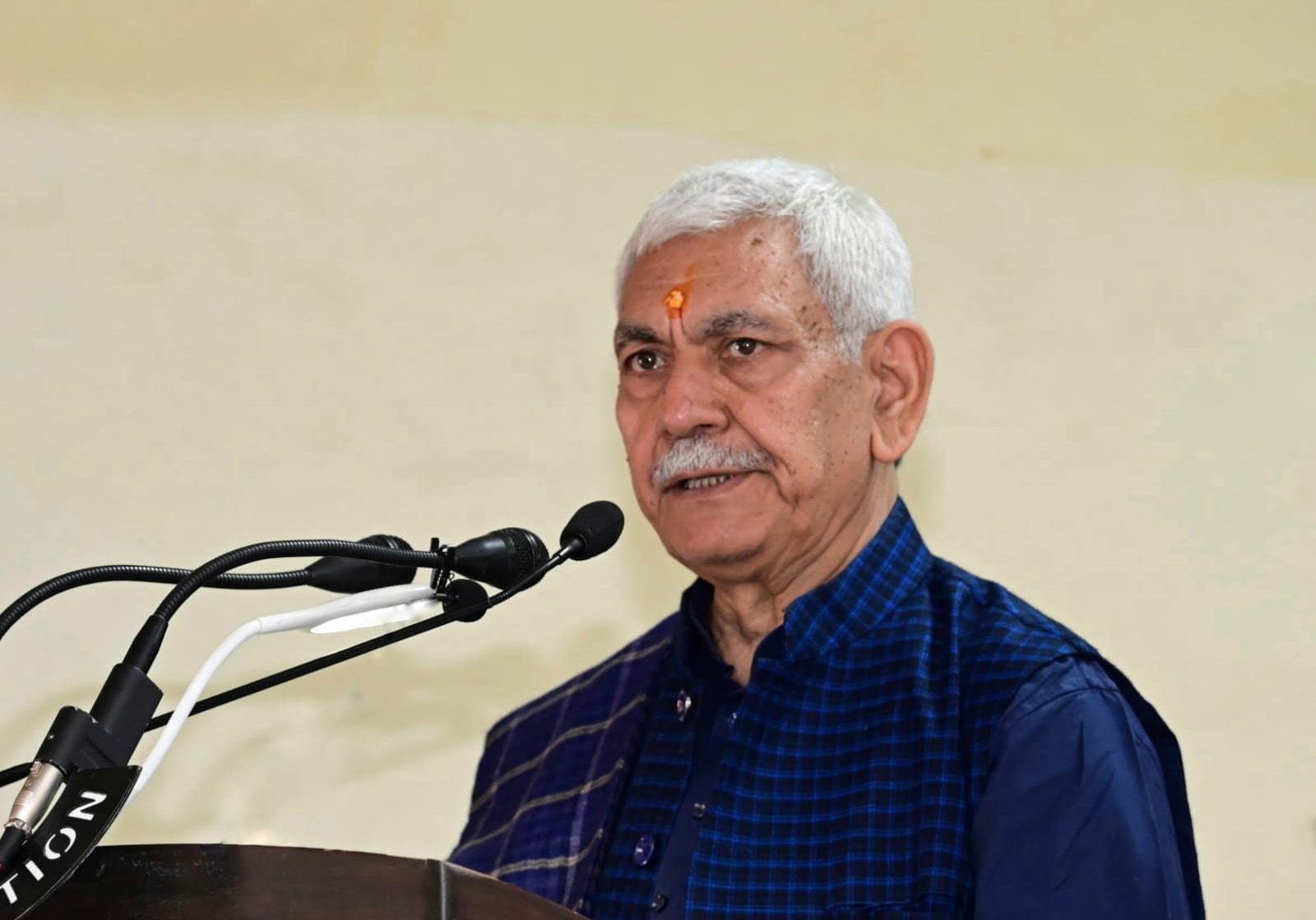
JAMMU, Apr 6: In a major step to regulate substance abuse treatment facilities, the Lieutenant Governor Manoj Sinha-led Union Territory administration has notified comprehensive rules for the establishment and functioning of de-addiction, counselling, and rehabilitation centres across the region.
Follow the Daily Excelsior channel on WhatsApp
The new rules, notified as SO 91 of 2026 by the Health and Medical Education Department, have been framed under the provisions of the Narcotic Drugs and Psychotropic Substances Act, 1985.
As per the newly notified rules, titled “Jammu and Kashmir Substance Use Disorder Treatment, Counselling and Rehabilitation Centres Rules, 2026”, no person or institution shall be allowed to establish or run a de-addiction centre without obtaining a valid licence from the designated licensing authority, which will be the Director Health Services of the Jammu and Kashmir regions.
The rules further state that a licence will be granted only after thorough inspection and verification of infrastructure and physical facilities, availability of qualified staff, treatment and counselling systems, record-keeping arrangements, and compliance with the prescribed medical and ethical standards.
The licence will remain valid for three years and can be renewed based on satisfactory performance and adherence to the norms.
The Government has also placed restrictions on the location of such centres, stating that no facility shall operate in a residential area without prior approval from the concerned Municipal Corporation, Municipality, or Panchayat, along with a no-objection certificate from the local police station.
The Government has further laid down detailed infrastructure requirements, making it mandatory for centres to have adequate space, separate wards for male and female patients, emergency detoxification facilities, counselling rooms, CCTV surveillance, and proper biomedical waste disposal systems.
Fire safety and disaster management compliance have also been made compulsory.
In terms of staffing, each centre must employ a qualified psychiatrist, one medical officer with an MBBS degree and addiction medicine training, one clinical psychologist per 15 patients, one nurse per 10 patients, counsellors, and support staff.
Further, every centre has been directed to nominate a responsible officer for compliance, who shall be accountable for adherence to medical, legal, and ethical standards.
It has also been made mandatory that all professionals must be registered under the NMC/MCI and respective councils, with annual training required to ensure updated knowledge and skills.
Additionally, as per the newly notified rules, each centre must provide emergency medical care, recreational and rehabilitation facilities, outdoor activities, regular daily outpatient services, referral linkages for specialist medical services, laboratory services, HIV/AIDS centres, RNTCP centres, and adequate transport facilities for patients for linkage activities and emergency medical care.
Another key highlight of the rules is the introduction of a robust digital monitoring system, under which every patient will be assigned a Unique Treatment Identification Number (UTIN) linked to a centralized online portal.
The de-addiction centres will also be required to maintain real-time records of admissions, treatment, drug dispensing, and stock management for at least five years.
Strict provisions have also been made to prevent drug diversion, including supervised dispensing, barcode tracking of medicines, and mandatory reporting of discrepancies within 24 hours.
The Government has also emphasized ethical standards, making it clear that treatment must be voluntary and based on informed consent.
“The use of force or coercion has been strictly prohibited, while special safeguards have been provided for women and minors undergoing treatment,” the rules read.
To ensure compliance, a Union Territory-level Monitoring Committee comprising representatives from health and medical education, police (narcotics control), law, and civil administration departments will oversee the functioning of centres. These committees shall meet quarterly to review performance and compliance trends.
Regular inspections, including surprise visits by Deputy Commissioners, have also been authorized, while annual audits and secure digital record-keeping have been made mandatory.
Further, the rules empower authorities to suspend or cancel licences in case of violations, including drug misuse, safety lapses, or failure to maintain records.
However, an opportunity of being heard shall be provided before final orders are passed.
It has also been ordered that centres found guilty of serious violations may be sealed, and offenders will face action under relevant provisions of the NDPS Act. Additionally, erring organizations may be barred from applying for fresh licences for up to five years.
Meanwhile, the existing centres have been given a six-month window to comply with the new regulations and obtain licences, failing which they will have to shut down operations.
The Government will also publish a list of provisionally registered centres within 30 days to ensure transparency.
The notification also mandates that all centres prominently display their licence, staff qualifications, charges, and helpline numbers, while misleading advertisements or claims of guaranteed cure have been banned.
A dedicated grievance redressal system, including a helpline and online portal, will ensure that complaints are addressed within 30 days.
 Follow our WhatsApp channel
