

World Hypertension Day
Dr. Sushil Kumar Sharma
World Hypertension Day, observed annually on the 17th of May, serves as a global platform to raise awareness about one of the most common and dangerous health conditions-hypertension, or high blood pressure. The central objective of this observance is to educate people about the significance of regular blood pressure monitoring, its potential health complications, and the importance of early detection and proper management. The theme for this year, “Measure Your Blood Pressure Accurately, Control It, Live Longer,” emphasizes the foundational role of accurate blood pressure measurement in preventing and managing this silent but deadly condition.
In 2025, The World Hypertension League estimates that the prevalence of hypertension will increase to approximately 29% of the global adult population. This translates to an estimated 1.5 billion people affected by hypertension worldwide. The absolute prevalence is higher in economically developed nations (around 37.3%) compared to developing nations (around 22.9%).Estimates suggests a significant rise in hypertension prevalence, from 25% of the adult population to 29% by 2025.A significant portion of the population with hypertension, about half, is unaware of their condition.
Hypertension is often called the “silent killer” because it typically presents no clear symptoms in its early stages. Many individuals may live for years without realizing they have high blood pressure, while internal damage continues to accumulate. When left uncontrolled, hypertension can severely impact vital organs, including the heart, brain, kidneys, and eyes, leading to heart attacks, strokes, kidney failure, and vision loss. Despite being a preventable and manageable condition, a large proportion of the global population either remains undiagnosed or does not receive effective treatment. This reflects the need for public education campaigns, widespread screening programs, and a more robust healthcare infrastructure to tackle the disease effectively.
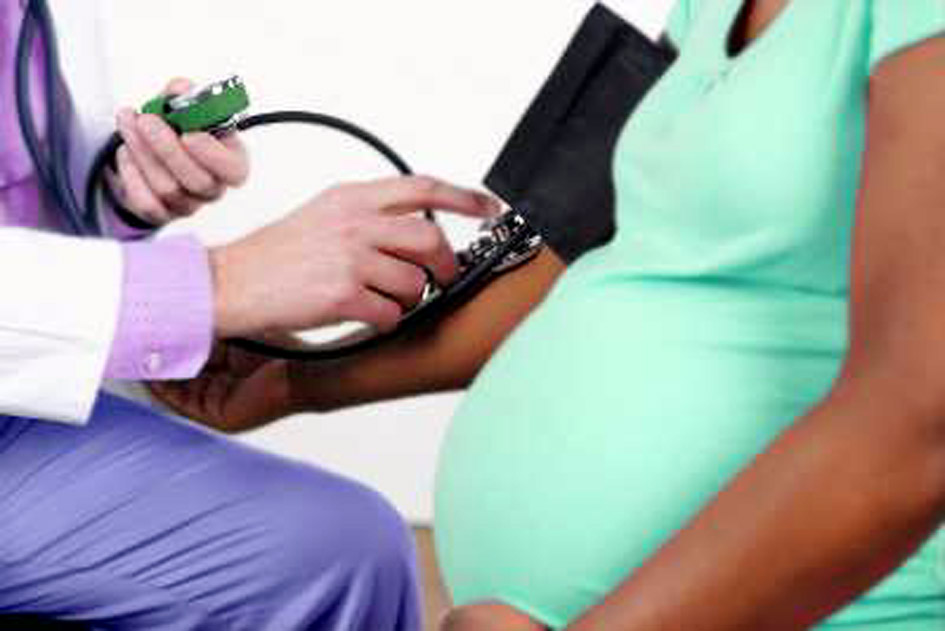
Accurate measurement of blood pressure is a fundamental step in both diagnosing and managing hypertension. Unfortunately, improper techniques-such as using the wrong cuff size, placing the cuff incorrectly, or not positioning the patient properly-can lead to inaccurate readings, resulting in either missed diagnoses or unnecessary treatments. Therefore, educating healthcare providers and the public about correct measurement protocols is essential. In many regions, especially in low-resource settings, access to calibrated equipment and trained personnel is still limited, which further exacerbates the challenge. Addressing these gaps is crucial to improving hypertension control worldwide.
Understanding the symptoms of severe hypertension is also important, although it is often asymptomatic in the early stages. In advanced cases, symptoms such as persistent headaches, shortness of breath, nosebleeds, chest pain, vision disturbances, and dizziness may occur. These signs should never be ignored, as they often indicate dangerously elevated blood pressure that requires immediate medical attention.
Several lifestyle and environmental factors contribute to the rising incidence of hypertension globally. Unhealthy dietary habits, particularly high sodium intake, physical inactivity, excessive alcohol consumption, tobacco use, obesity, and chronic stress are among the primary culprits. Urbanization and the fast-paced modern lifestyle have also added to the growing burden of this disease, especially in middle- and low-income countries. With increasing life expectancy and an aging population, the number of individuals living with hypertension is expected to rise further, making prevention strategies more urgent than ever.
Managing and preventing high blood pressure requires a multifaceted approach. Lifestyle modification remains the cornerstone of hypertension prevention. A diet rich in fruits, vegetables, whole grains, and lean proteins, coupled with a reduction in salt and saturated fat intake, can significantly lower blood pressure levels. Regular physical activity is equally vital-engaging in at least 150 minutes of moderate-intensity exercise per week helps maintain a healthy weight, reduces stress, and strengthens the cardiovascular system. Additionally, avoiding tobacco and limiting alcohol intake are important lifestyle changes that contribute to overall heart health.
Stress management plays a critical role in blood pressure control. Practices such as mindfulness, meditation, deep breathing exercises, yoga, and tai chi have proven effective in reducing stress and promoting mental well-being. Adequate sleep and time for relaxation are also essential for maintaining balanced blood pressure levels. Incorporating these holistic wellness practices into daily life can have long-lasting health benefits.
For individuals diagnosed with hypertension, adherence to prescribed medication is paramount. There are several classes of antihypertensive drugs available today that effectively control blood pressure with minimal side effects. However, successful treatment depends on consistent monitoring, regular follow-up with healthcare providers, and a collaborative approach between the physician and patient. Personalized treatment plans that consider individual risk factors, comorbidities, and lifestyle choices lead to better outcomes and enhanced quality of life.
The healthcare system has a pivotal role in combating the hypertension epidemic. Improving access to affordable and quality healthcare, especially in rural and underserved areas, is critical. Screening programs must be integrated into primary healthcare services, and infrastructure should be strengthened to accommodate the increasing number of diagnosed cases. This includes ensuring the availability of trained healthcare workers, standardized diagnostic tools, essential medications, and follow-up mechanisms to support long-term management.
One of the most pressing challenges is the gap between diagnosis and treatment. Studies have shown that a significant percentage of individuals diagnosed with hypertension in both rural and urban areas do not receive appropriate therapy, and among those who do, only a small fraction have their blood pressure adequately controlled. To overcome this, awareness campaigns must be accompanied by systemic reforms in healthcare delivery. There should be investment in capacity-building initiatives for healthcare professionals to reduce therapeutic inertia, and improved patient education to promote treatment adherence.
World Hypertension Day is not just about raising awareness; it is a clarion call for collective action. Governments, healthcare institutions, media, volunteer organizations, and the general public must work in synergy to tackle the growing burden of hypertension. By increasing awareness, promoting regular screening, advocating for healthier lifestyles, and ensuring accessible treatment, we can significantly reduce the incidence and complications of this condition.
In conclusion, hypertension remains one of the most significant yet preventable threats to global health. On this World Hypertension Day, let us commit to the theme “Measure Your Blood Pressure Accurately, Control It, Live Longer,” by taking proactive steps towards early detection, effective management, and sustainable prevention. Only through awareness, education, and collaborative effort we can reduce the silent toll of this condition and ensure healthier lives for future generations.
(The author is Head, Department of Cardiology, SSH Jammu)
 Follow our WhatsApp channel
