

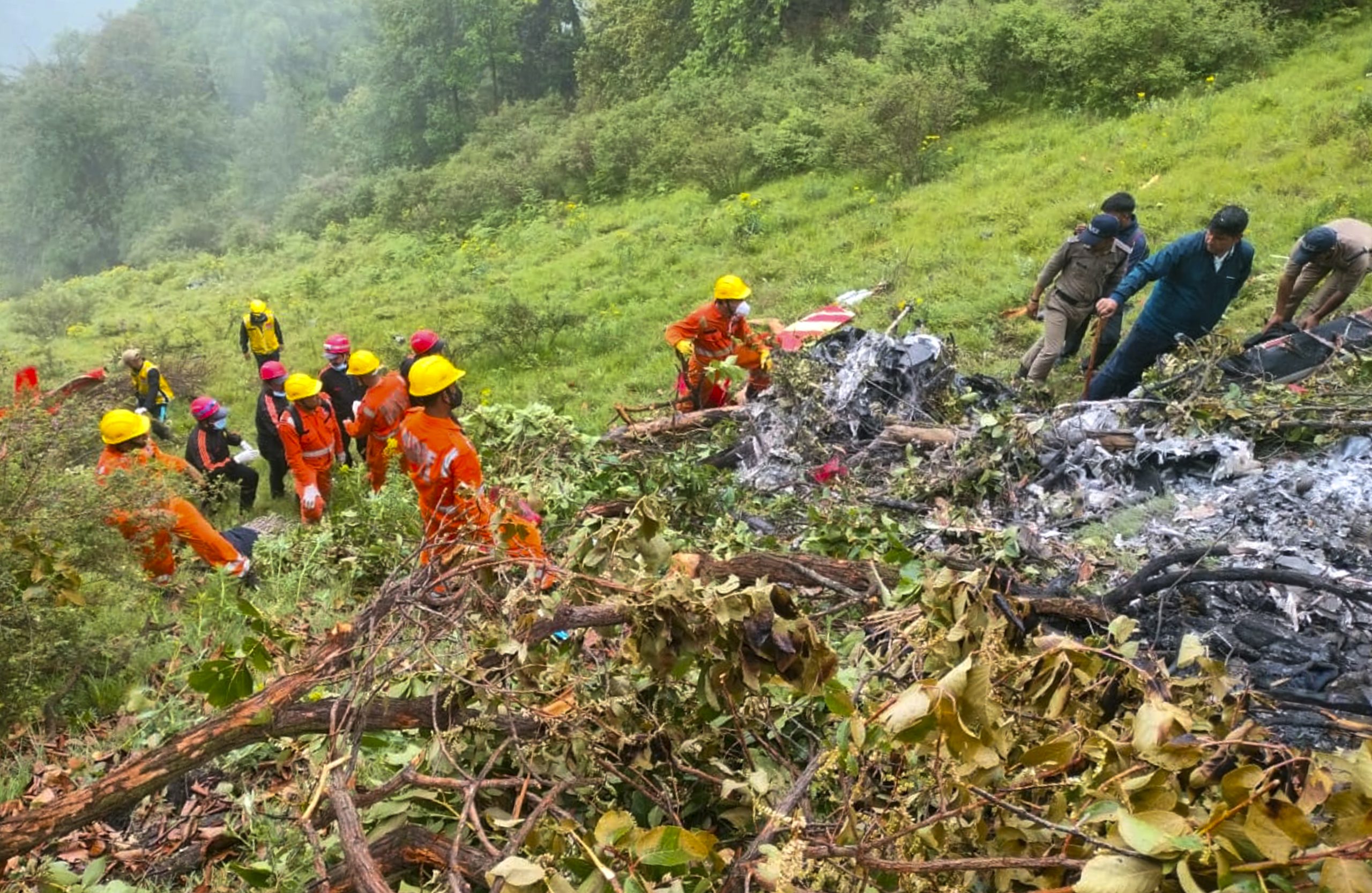
The tragic helicopter crash near Kedarnath that claimed seven lives is a chilling reminder of the recurring aviation disasters unfolding on the Chardham Yatra route. It is not merely an unfortunate incident-it is part of a distressingly repetitive pattern. This marks the fifth helicopter accident since the pilgrimage commenced on April 30. The question that urgently demands an answer is: How many such avoidable tragedies must occur before systemic reforms are enforced?
The suspension of Aryan Aviation’s operations and temporary grounding of chopper services-while timely, appears reactionary rather than preventative. The stark reality is that two other helicopters were reportedly flying in similarly unsuitable weather conditions that day, leading to the suspension of their pilots’ licences. Safety protocols are being bypassed and flight operations continue even in visibly hazardous weather conditions. This indicates not individual negligence alone but a deeper, structural failure in the system meant to safeguard pilgrims. At the heart of this issue lies the commercial structure of these contracts. Helicopter operators are awarded flying rights under agreements with a hefty minimum assured contract fee. This creates a dangerous incentive: operators may be compelled to continue flights despite adverse conditions to recover their investments. Pilgrims, often unaware of the risks, become unwitting participants in this gamble with nature and machinery.
The Kedarnath Valley is notorious for its rapidly changing weather patterns, and yet, there seems to be no scientifically grounded aviation safety framework that defines “no-fly” days. A proper meteorological risk analysis-studying historical weather data and identifying safe flying windows-must be the cornerstone of future flight operations in such volatile regions. Tender processes must then be restructured accordingly. If only a limited number of flying days are feasible, the contract fee should be adjusted to reflect that reality, rather than pushing operators into high-risk decision-making. Additionally, a viable alternative would be the institution of flight insurance schemes. If weather conditions compel cancellations, a basic minimum reimbursement can ensure operators do not suffer heavy financial losses, thereby reducing the temptation to risk lives to recover costs. This would bring a much-needed balance between commercial viability and passenger safety.
The frequent recurrence of these aviation mishaps also casts serious doubts on the oversight mechanisms of the Directorate General of Civil Aviation and the Uttarakhand Civil Aviation Development Authority. The credibility of the DGCA, in particular, is under scrutiny. From the crash of the Air India flight in Ahmedabad and the return of international flights due to technical glitches to multiple domestic chopper mishaps, the signs are glaring. India’s aviation safety standards must be aligned with international norms. Flying-especially in mountainous terrain-leaves zero margin for error, and anything short of rigorous safety monitoring is outright negligence.
Chief Minister Dhami has ordered a high-level inquiry, and that is welcome. But such probes must not be reduced to procedural exercises that dissipate over time. Accountability must be established not only at the level of operators but also among regulators, bureaucrats, and policymakers who fail to enforce existing norms or update them in line with emerging challenges. Simply suspending pilots or halting operations temporarily is cosmetic unless the root causes are addressed. The Government must also evaluate the broader feasibility of chopper services in the Chardham region. Are we depending too much on air travel in areas inherently unsuitable for such operations due to geography and climate? Could alternative solutions, such as improving on-ground infrastructure or regulated ropeways, be considered to reduce pressure on air travel?
Pilgrimage is a matter of deep faith for millions. But faith must not be a reason to overlook fundamental rights to life and safety. The increasing frequency of such crashes in a high-density pilgrimage corridor is not just a failure of technology or weather forecasting-it is a failure of governance, policy and ethical responsibility. It is high time to take strong, preemptive actions. Only then can the sacred journey to Kedarnath truly be a spiritually uplifting experience and not one fraught with fear and fatal risk.
 Follow our WhatsApp channel
