

Bairaj Chawalgami
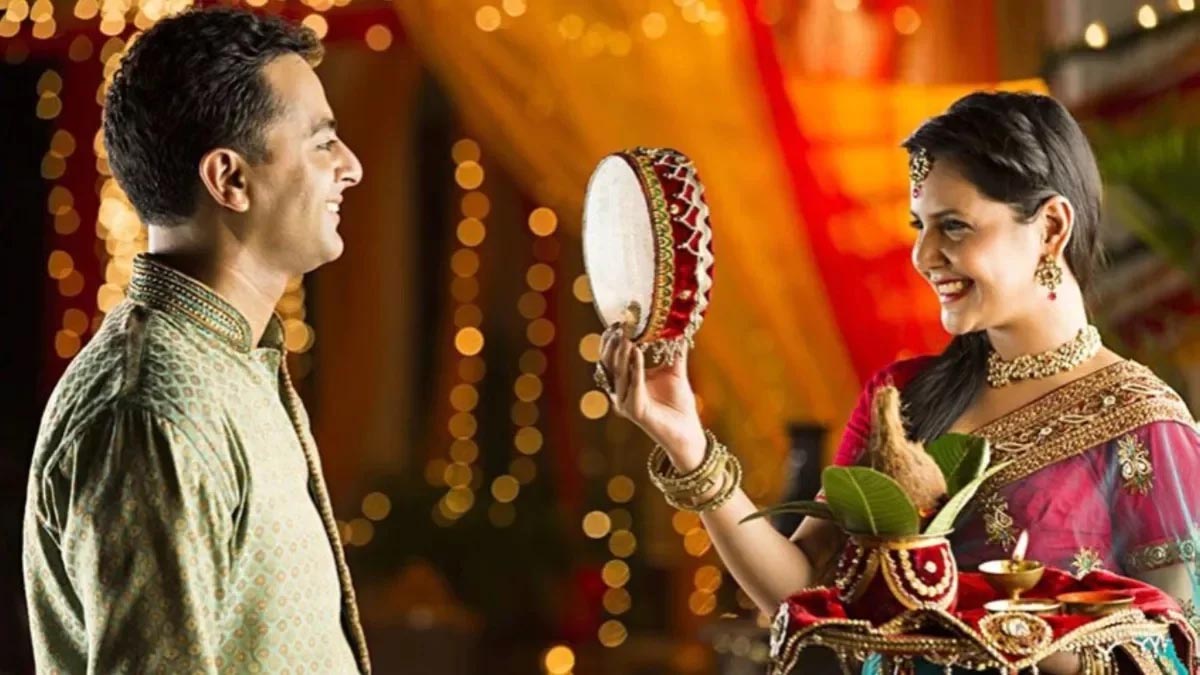
The sacred soil of India has, since antiquity, been a crucible of festivals, fairs and festivities that embody its civilizational grandeur. The crown of the nation—Jammu and Kashmir—is no exception to this resplendent cultural legacy. Among the myriad festivals that embellish the Indian calendar, Karwa Chauth stands apart as an exquisite testament to conjugal devotion, predominantly observed by married Hindu women across northern and western India. This unique ritual, marked by austerity, abstinence and unwavering faith, is celebrated for the longevity, prosperity and security of their husbands. Significantly, even unmarried maidens, aspiring for an ideal life partner, participate in the observance with equal zeal. The festival is consecrated to Lord Ganesha—the remover of obstacles—and Mata Karwa, whose legend sanctifies the occasion. Women undertake the rigorous nirjala vrat (absolute fast without food and water), which concludes only upon the moonrise when the husband offers the first sip of water to his wife. Throughout this arduous day, the prayers and invocations of the women are suffused with aspirations for a harmonious, prosperous, and enduring marital life. Karwa Chauth epitomises the quintessential Indian notion of pativrata dharma—the creed of fidelity – wherein the husband is venerated as divine, and the wife’s devotion transcends worldly temptations.
The preparations for this revered occasion commence days in advance, as anticipation mounts in households awaiting the festival. The ritualistic origins are steeped in lore, the most prevalent being the saga of Karwa, a devoted wife residing near the Tungabhadra river. When her husband was ensnared by a crocodile, Karwa bound the beast with a sacred thread and sought Lord Yama’s intervention. Though reluctant at first, Yama was compelled by her unflinching resolve and formidable chastity to release her husband from death’s clutches. This act of conjugal fortitude, occurring on the fourth day of Kartik Krishna Paksha, has since been immortalised through the annual observance of Karwa Chauth. Several other narratives—the tale of Queen Veervati, Draupadi, and the legendary devotion of Savitri towards Satyavan—have become part of its mythological tapestry. Yet, the story of Karwa remains the most enduring and widely embraced, emblematic of steadfast loyalty and divine intercession.
Karwa Chauth is not merely a ritual of renunciation; it is a profound affirmation of the marital bond. The fasting, performed with absolute abstinence, is symbolic of the indomitable strength of womanhood and its capacity to sustain relationships on the bedrock of sacrifice and love. For husbands, it is a poignant reminder of their wives’ unalloyed fidelity, thereby deepening the mutual bond of companionship. Historically, the festival also possessed strong social undertones. In an era when young brides were married off early and transplanted into unfamiliar households, Karwa Chauth became a celebration of sisterhood. A symbolic ritual would mark the bride’s lifelong bond with a god-sister, who became her confidante and moral anchor in times of distress. Thus, beyond its spiritual and conjugal dimensions, Karwa Chauth also evolved as a day of feminine solidarity, a sanctuary of empathy and companionship. The etymology itself is illustrative – Karwa referring to the earthen vessel, symbolising sustenance and continuity, and Chauth denoting the fourth day of the lunar fortnight of Kartika. Falling just before Diwali, it is deeply enmeshed with the agrarian rhythm of harvest, festivity and social bonding. Over centuries, the festival has metamorphosed into an emblem of marital love and togetherness, celebrated with grandeur, devotion and cultural vibrancy. Karwa Chauth is thus a sublime confluence of mythology, ritual, social tradition and emotional profundity. It affirms the sanctity of marriage, celebrates the resilience of women, and perpetuates the cultural ethos of Hindu society. In its observance lies a living testimony to India’s spiritual richness and the endurance of its traditions in the face of modernity.
In essence, Karwa Chauth transcends the realm of ritual to embody a profound cultural, spiritual, and emotional legacy of India. It is not merely a fast, nor solely a prayer for longevity, but rather a luminous affirmation of faith, devotion, and the sanctity of conjugal bonds. In its observance, one witnesses the resilience of women who, through unwavering austerity, exalt their relationships and elevate their roles from partners to pillars of familial harmony. The endurance of this festival across centuries, despite social transitions and the march of modernity, demonstrates the deep roots of tradition in the Indian psyche. At the same time, Karwa Chauth reflects the evolving essence of womanhood—from the age-old image of the pativrata to the modern embodiment of love, loyalty, and partnership built on mutual respect. It is a day that celebrates not only the bond between husband and wife but also the spirit of sisterhood and solidarity among women. Above all, Karwa Chauth stands as an enduring reminder of India’s timeless heritage, where rituals are not hollow practices but living expressions of faith, sacrifice, and human connection. Its celebration underscores the richness of our cultural fabric and the eternal strength of sacred relationships.
 Follow our WhatsApp channel
