

Malaria also seeing noticeable increase
Irfan Tramboo
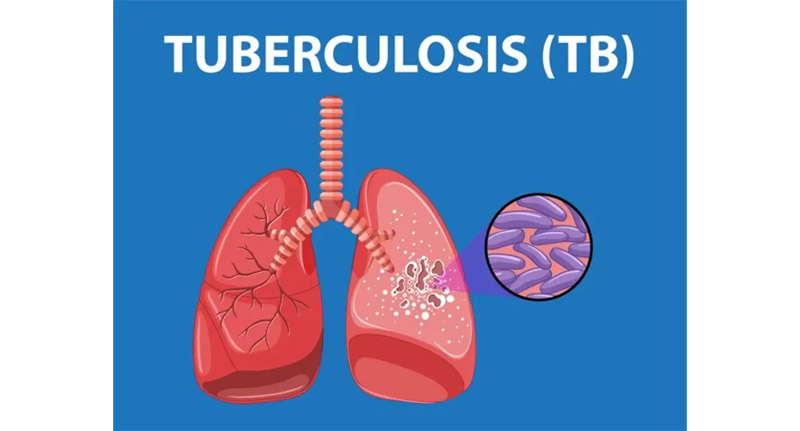
SRINAGAR, Dec 12: Tuberculosis continues to show an upward trend in Jammu and Kashmir over the past three years, whereas malaria and leprosy, despite annual variations, have maintained a comparatively low disease burden.
Follow the Daily Excelsior channel on WhatsApp
The trend emerges from data issued by the Union Ministry of Health and Family Welfare, which provides a detailed State and UT-level picture of TB, malaria and leprosy between 2022 and 2025.
As per the figures, TB notifications in J&K have remained consistently high, under which, the Union Territory reported 11,804 cases in 2022, 11,754 in 2023 and 12,200 in 2024 under the National TB Elimination Programme.
Ladakh, by contrast, reported far fewer cases-320 in both 2022 and 2023, dropping slightly to 293 in 2024.
Nationally too, the TB burden has risen year-on-year, from 24.22 lakh cases in 2022 to 26.17 lakh in 2024, with Uttar Pradesh, Bihar and Maharashtra accounting for the highest caseloads.
Malaria, though traditionally limited in J&K, has seen noticeable growth.
As per the data, the UT reported 35 cases in 2022, 44 in 2023 and a sharp rise to 108 cases in 2024. Ladakh recorded 2 cases in 2022, 10 in 2023 and 9 in 2024.
Nationally, malaria cases increased from 1.76 lakh in 2022 to over 2.55 lakh in 2024, with Odisha, Jharkhand, Mizoram and Tripura contributing significantly to the surge.
Further, leprosy remains the least concerning of the three diseases for J&K as well as Ladakh.
J&K’s Annual New Case Detection Rate (ANCDR) for leprosy stood at 0.89 in 2022-23, fell to 0.42 in 2023-24, and rose again to 0.80 in 2024-25-one of the lowest levels in the country.
In Ladakh, the ANCDR was 2.16 in 2022-23, 3.36 in 2023-24 and 3.63 in 2024-25, placing it above J&K but still far below high-burden states such as Chhattisgarh and Odisha.
India’s national ANCDR declined marginally to 7.00 in 2024-25.
The Ministry has noted that health is a State subject, and all related programmes are implemented by the respective State and UT Governments.
The Centre, the Ministry said, provides financial and technical support through annual Programme Implementation Plans, while the responsibility for strengthening rural health systems, diagnostic infrastructure and human resources rests primarily with the States and UTs.
The Ministry highlighted the need for adequate health staff in rural areas, calling them critical for controlling communicable diseases through surveillance, early detection and uninterrupted treatment.
The data showed that while J&K continues to report extremely low leprosy levels and modest malaria numbers, TB remains the dominant disease burden in the region.
Ladakh, with its smaller population, maintains low caseloads across all diseases but has seen a gradual increase in leprosy detection over the three-year period.
Experts stated that these trends underline the need for continued monitoring, particularly as climatic variations and increased mobility influence disease patterns across J&K and Ladakh.
 Follow our WhatsApp channel
