

Radhika Dubey
For years now, Jammu has been projected as a “Smart City in the making,” with tall promises, glossy presentations, and political assurances. A smart city, as defined globally, is one where modern techniques and better planning make the life of a common citizen comfortable – good roads, strong drainage systems, clean drinking water, uninterrupted power supply, efficient traffic monitoring with CCTV coverage, green spaces, pollution control, e-governance, and above all, an administration responsive to public needs.
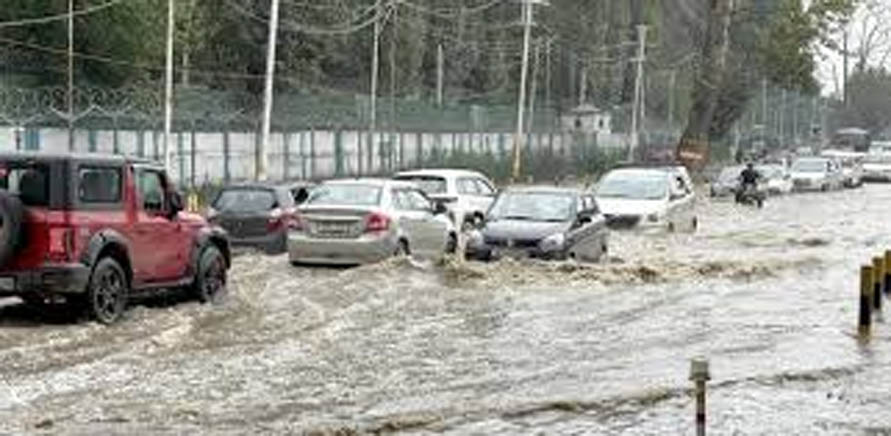
Yet, the recent spell of rain in Jammu exposed the stark gap between promise and reality. Roads turned into ponds, water gushed into homes, and the much-hyped “Smart City” billboards floated helplessly in the floodwaters. For ordinary citizens, the idea of Jammu as a smart city is fast becoming a cruel joke. Running a few e-buses, painting smart city logos, or opening liquor shops and breweries does not make a city smart. Smartness is tested when the city can withstand rains without drowning, when roads remain navigable, and when citizens are not trapped inside their own homes.
This is not a natural calamity problem; it is the result of political indifference and administrative failure. Crores of rupees have been spent, yet change on the ground remains invisible. No accountability is fixed, no official shoulders responsibility, and politicians move on after photo-ops and token statements. Jammu requires not just promises but honest leadership, transparent governance, and strict accountability. Otherwise, disasters will keep recurring, and citizens will keep suffering.
The Bigger Picture: Issues Plaguing Jammu
Citizens’ Role in a Smart City
A city cannot be smart if its citizens are not. In Jammu, lack of awareness about rights, grievance redressal mechanisms such as the JK Samadhan portal, and over-reliance on personal contacts hinder progress. A self-centered approach and poor civic etiquette – whether in traffic, public conduct, or respect for rules – reflect the gap between people’s behavior and the requirements of a true smart city.
Cultural Disconnect
The Dogra identity, once proudly symbolized by the saying “Khand Mithe, Log Dogre” (as sweet as sugar), is eroding. Youngsters in Jammu are distancing themselves from Dogri language and traditions, preferring Hindi or English, often with little knowledge of their mother tongue. Cultural pride is the backbone of a city’s identity, and its absence shows in the lack of respect for public spaces, traffic rules, and civic sense.
Traffic Chaos and Lawlessness
Road rage and reckless driving are common sights. Mobile phones in one hand and steering wheels in the other have become the norm. Enforcement is negligible; traffic police are often missing except during VIP movement. Modern solutions like CCTV monitoring, public awareness campaigns, or traffic education in schools are absent. The result: a city perpetually choked and unsafe.
Poor Quality Roads
Roads barely last a season before disintegrating. Frequent relaying without accountability points to corruption and poor workmanship. Citizens seldom raise their voices, while officials look the other way.
Parking Crisis
With no systematic planning, vehicles are parked indiscriminately on roads. Parking lots are insufficient, and permissions for new vehicles are given without considering space availability. Traffic, as a result, crawls.
Cycle Scheme Without Vision
Public money was spent on cycle stands and fancy bicycles under the smart city tag, but no cycle lanes were created. Today, most of these cycles are rusting, locked, and unused – monuments of mismanagement.
Drainage Disaster
Jammu has no functional drainage system. Maintenance funds vanish, and drains remain clogged, turning every rain into a flood. No accountability means the cycle continues.
Encroachments on Natural Water Channels
Rampant encroachments on nallahs, khads, and riverbanks have blocked natural water flow, worsening flood damage. Colonies have sprung up on government lands, reflecting a nexus between politicians, builders, and officials.
Conclusion
The “Smart City” narrative in Jammu currently exists more on paper and posters than in practice. What the city needs is not cosmetic projects but honest execution of plans, accountability for every rupee spent, and leadership that genuinely understands the pain of the common citizen.
A smart city is not about slogans or ceremonies. It is about ensuring that when it rains, the city does not drown; that roads remain intact; that citizens feel safe, respected, and empowered. Until Jammu achieves that, the dream of becoming a true Smart City will remain just that – a dream.
 Follow our WhatsApp channel
