

Climate Change, Chaos, and Calls for Accountability
ByMahir Hussain,
Climate Change and Floods in Jammu
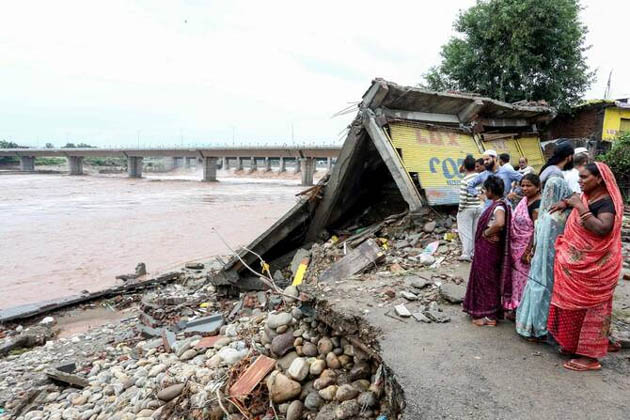
Jammu received an unprecedented 380mm of rainfall in a single day—its highest since record-keeping began—triggering flash floods, landslides, and inundations in both urban and rural zones. Swelling rivers such as the Tawi and Chenab, cloudbursts, and continuous downpours overwhelmed local drainage systems, washed away homes, and cut off entire districts from the rest of the country.
Problems Faced by People
Thousands of residents were suddenly displaced, with over 5,000 people evacuated from flood zones. Many lost homes and property, while power, water, and internet disruptions compounded their misery. Medical teams struggled to reach affected areas due to road blockages and communication breakdowns, while the disruption of schools and suspension of Vaishno Devi pilgrimages exacerbated anxieties among families and travelers. Relief camps and community kitchens provided urgent support, but resources were strained given the scale of the disaster.
Administrative Response
The Jammu district administration activated multi-agency rescue efforts, including the Army, NDRF, SDRF, and police. Emergency meetings were convened, and priorities set for evacuating residents and restoring essential services. Chief Minister Omar Abdullah and Lieutenant Governor Manoj Sinha personally monitored operations and assured additional provisions beyond standard norms. District-level incident response systems were mobilized as outlined in local disaster management plans.
Legislative Role and Drawbacks
While the legislative framework includes advisory systems and disaster management plans, criticism emerged over the lack of substantive flood mitigation between Jammu’s devastating 2014 and 2025 disasters. Legislative action appeared reactive rather than proactive, focusing on warnings, temporary relief, and compensation after each event, rather than on long-term infrastructure, river embankments, and urban drainage upgrades. The recurring nature of flood damage to major bridges and highways highlighted gaps in strategic planning and technical evaluation.
Failure in Planning Before Disaster
Many officials and residents questioned why previous flood experiences had not led to robust pre-disaster planning or sustainable engineering solutions. Flood advisories were in place, but warnings were often generic, and actionable pre-emptive protocols—such as early evacuation, improved forecast modeling, and resilient infrastructure investment—were insufficient or lacking. The administration’s dependence on emergency evacuations and relief camps signaled a persistent failure to move from disaster response to risk reduction.
 Follow our WhatsApp channel
