

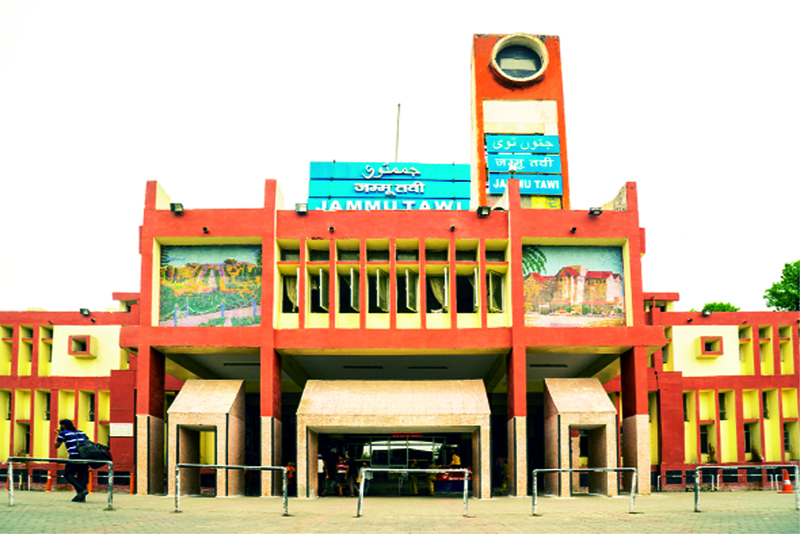
The ongoing redevelopment of the Jammu Tawi Railway Station, aimed at modernising its infrastructure and improving capacity, has brought significant disruption to train services and, consequently, to the lives of thousands of travellers. While the long-term benefits of this project are undeniable, the short-term inconveniences highlight the critical need for better planning, communication, and mitigation strategies during such massive undertakings. The scale of the current disruption is immense. From January 15 to March 3, 2025, multiple trains have been cancelled, rescheduled, or short-terminated, affecting routes connecting Jammu with major cities like New Delhi, Barmer, Patna, Indore, and Guwahati. The cancellations extend to 65 trains, with 25 others being rescheduled or curtailed. Iconic services like the Vande Bharat Express between New Delhi and Katra, the Shalimar Express, and the Diesel Multiple Units on the Pathankot-Udhampur route are impacted. For passengers, particularly pilgrims visiting the revered Shri Mata Vaishno Devi shrine, this has created chaos and frustration. Despite the Northern Railway’s advisory to check schedules in advance, many travellers have found themselves stranded or scrambling to make alternative arrangements.
The redevelopment project itself is ambitious and much needed. The Jammu Tawi Railway Station, a crucial hub in Northern India, has long struggled with capacity constraints and outdated infrastructure. By adding four new platforms to bring the total to seven, increasing washing pits from three to five, and installing washable aprons for improved cleanliness, the station aims to elevate the passenger experience and meet the demands of increasing traffic. The project’s completion, slated for the next six months, is expected to transform the station into a modern, efficient facility capable of handling larger volumes of passengers and trains.
While the long-term vision is laudable, the immediate fallout raises concerns about planning and execution. One of the most glaring issues has been the lack of effective communication with the public. Passengers have reported inadequate advance notice about cancellations and rescheduling, leading to widespread confusion and frustration. In an era of digital connectivity, the absence of timely updates and clear information reflects poorly on the authorities. Infrastructure projects of this magnitude invariably involve some level of disruption. However, the goal should always be to minimise inconvenience to the public. The phased implementation of construction work, coupled with temporary arrangements to maintain essential services, could have alleviated the strain.
The disruptions are not merely a matter of inconvenience; they carry significant economic repercussions. Jammu is a major gateway for tourists and pilgrims, and the suspension of services will undoubtedly impact the local economy. Hotels, restaurants, transport operators, and small businesses that rely on the steady influx of visitors are likely to suffer losses during this period. The authorities must consider these ripple effects.
Considering the significant impact on economic activities and the inconvenience it has caused thousands of travellers, alternative solutions must be explored. Train services remain one of the most affordable and comfortable modes of travel, particularly for long-distance journeys. Express trains like the Vande Bharat Express offer a cost-effective and comfortable alternative to air travel. The worst affected are those who planned their trips well in advance and made bookings accordingly. Cancelling 65 trains places an additional burden on other trains, increasing passenger congestion. Instead of a complete cancellation, terminating trains at an alternative and nearby railway station could be a practical solution. Passengers could then be transported to Jammu by road from that station. For the railways, this would only require extending their services slightly further.
As the Jammu Tawi Railway Station redevelopment progresses, valuable lessons will be learnt for future infrastructure projects. Transparency, proactive communication, and contingency planning must become integral to the process. Public infrastructure upgrades should not come at the cost of public confidence and convenience. With better planning and execution, such projects can achieve their objectives without causing undue hardship to the very people they aim to serve.
 Follow our WhatsApp channel
