

Ashish Anand
Jammu is emerging as a national frontrunner in sustainable urban transport, thanks to its transformative Green Mobility Revolution led by Jammu Smart City Ltd. (JSCL). Under the Jammu Smart City Mission, a series of clean mobility initiatives have been launched to reshape public transport, reduce emissions, and build a climate-resilient urban future. These include the deployment of electric buses (e-buses), e-autos, e-rickshaws, and the introduction of a Public Bicycle Sharing System (PBSS), all contributing to a modern, eco-friendly transport infrastructure.
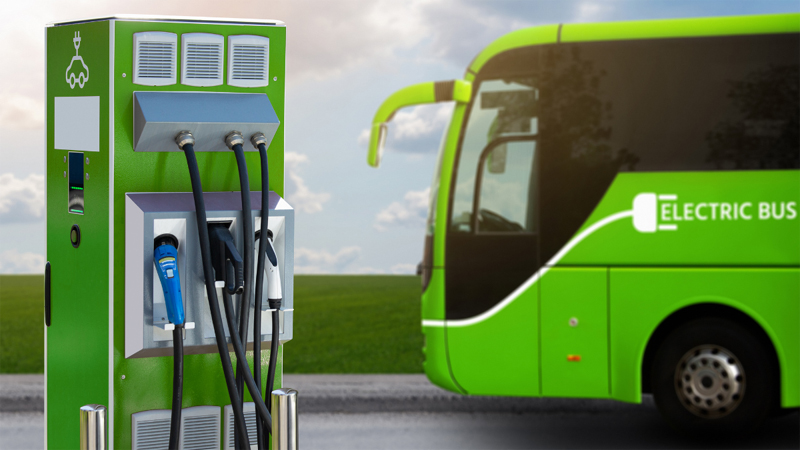
The centrepiece of Jammu’s green mobility efforts is the Jammu e-Bus Project. Designed to replace traditional fuel-based buses with zero-emission electric ones, the initiative is already making a visible impact on air quality and public health. These e-Buses provide smooth, quiet, and efficient rides while drastically reducing the city’s carbon footprint. Complementing them are e-autos and e-rickshaws, which ensure last-mile connectivity and offer commuters an affordable and environmentally sound alternative to petrol and diesel-powered vehicles.
Equally important is the rollout of the Public Bicycle Sharing System (PBSS), which encourages short-distance travel through cycling. The initiative helps reduce traffic congestion and promotes a healthier lifestyle among citizens, especially in central and high-density areas of the city. Together, these efforts represent a comprehensive shift toward green urban mobility.
The success of these initiatives has been made possible through a collaborative governance model and the active support of the Government of Jammu and Kashmir. The administration’s Green Action Plan provided critical capital and operational funding, which enabled the timely launch and expansion of the electric bus fleet. In a landmark step toward inclusivity, the government has also made e-bus rides free for women. This move not only supports gender equity but also promotes greater female participation in public transport by removing financial barriers.
Jammu has also effectively leveraged national policies like the Faster Adoption and Manufacturing of Hybrid and Electric Vehicles (FAME)-II scheme. This has allowed the city to scale up its electric mobility infrastructure with financial incentives for vehicle adoption and charging stations. The upcoming support under the PM eBus Sewa Scheme will further boost the e-Bus fleet, expanding coverage to underserved areas and enhancing commuter convenience.
Financial innovation has been another key pillar of Jammu’s green mobility model. By adopting Gross Cost Contracts and conducting reverse auctions, JSCL has ensured that projects remain both cost-effective and sustainable. Moreover, the city is tapping into carbon finance opportunities by exploring the Voluntary Carbon Market (VCM) and cooperative approaches under Article 6 of the Paris Agreement. These efforts not only support climate action but also create new revenue streams for expanding green infrastructure.
Looking ahead, Jammu’s plans include expanding the e-Bus network, introducing electric taxis, strengthening EV charging infrastructure, and integrating smart technologies for real-time tracking and traffic management. These initiatives will further optimize transport efficiency and reinforce Jammu’s position as a national leader in climate-aligned urban planning.
Through strategic vision, strong government backing, and innovative implementation, Jammu is redefining what modern, sustainable mobility can look like in India—offering a replicable model for cities across the country.
(The author is Senior General Manager of Jammu Smart City Ltd. and the Nodal Officer for the Jammu & Kashmir e-Bus Project)
 Follow our WhatsApp channel
