

Hezbollah leader’s aide killed
DUBAI, Apr 9:
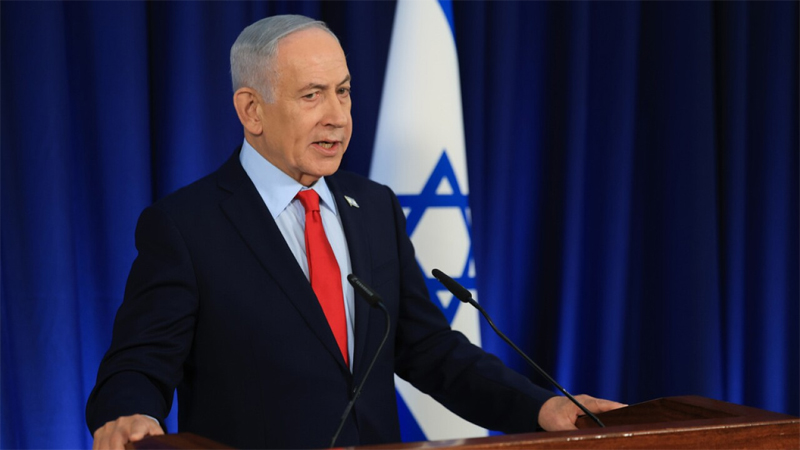
Israeli Prime Minister Benjamin Netanyahu said on Thursday that he has authorised direct negotiations with Lebanon “as soon as possible,” as a tentative ceasefire in the Iran war staggered under the weight of Israel’s bombardment of Beirut.
Follow the Daily Excelsior channel on WhatsApp
Netanyahu said he gave the order in response to requests from Lebanon and that talks would focus on disarming Hezbollah and establishing peaceful relations between the neighbouring countries. He welcomed a call by Lebanon’s prime minister to demilitarise Beirut.
There was no immediate response from Lebanon.
The ceasefire was also hampered by Tehran’s continued chokehold on the Strait of Hormuz and uncertainty over whether planned peace talks can find common ground.
Iran and the US – which both declared victory after the ceasefire announcement – appeared to apply pressure. Semiofficial news agencies in Iran suggested forces have mined the Strait of Hormuz, a crucial waterway for oil that Tehran has closed. President Donald Trump, meanwhile, warned that US forces would hit Iran harder than before if it did not fulfil the agreement.
And there was disagreement over whether the ceasefire deal included a pause in fighting between Israel and Hezbollah. Israel on Wednesday pounded Beirut with airstrikes, resulting in the deadliest day in Lebanon since the war began on Feb. 28.
Questions also remained over what will happen to Iran’s stockpile of enriched uranium at the heart of tensions, how and when normal traffic will resume through the strait, and what happens to Iran’s ability to launch future missile attacks and support armed proxies in the region.
Despite the fragile and disputed nature of the ceasefire, it appeared to have halted weeks of missile and drone attacks by Iran on its Gulf Arab neighbours and Israel, with no new launches reported Thursday. There were no reports of strikes by the US or Israel targeting Iran.
Iran’s parliament speaker, Mohammad Bagher Qalibaf, warned Thursday that continued Israeli attacks on the Iran-backed Hezbollah militant group in Lebanon would bring “explicit costs and STRONG responses” in a social media post.
Qalibaf has been discussed as a possible negotiator who could meet US Vice President JD Vance this weekend in Islamabad. The White House has said Vance would lead the delegation for talks starting Saturday.
Iran said Israel was violating the ceasefire agreement. Israeli Prime Minister Benjamin Netanyahu and Trump have said it was not.
Netanyahu said Israel will continue striking Hezbollah “with force, precision and determination.”
Lebanon’s health ministry said at least 203 people were killed and more than 1,000 wounded Wednesday in Israeli strikes in central Beirut and other areas of Lebanon that Israel said targeted Hezbollah, which joined the war in support of Tehran.
Israel said Thursday it killed an aide to Hezbollah leader Naim Kassem, Ali Yusuf Harshi. Hezbollah did not immediately respond to a request for comment.
A New York-based think tank warned that the ceasefire “ hovers on the verge of collapse.”
“Even if Lebanon was formally outside the deal, the scale of Israel’s strikes was likely to be viewed as escalatory,” the Soufan Centre wrote in an analysis. “Israel’s strikes can be understood both as an effort to drive a wedge between Iran and its proxies and as a response to being allegedly sidelined in the original ceasefire discussions.” (AP)
 Follow our WhatsApp channel
