

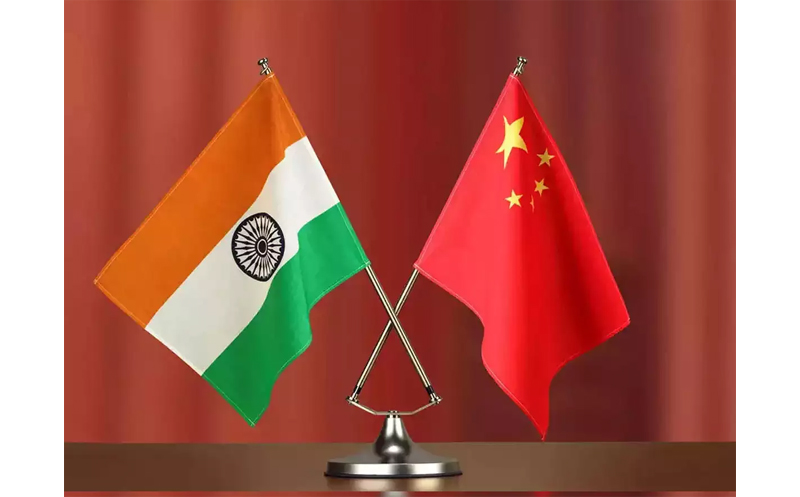
Prime Minister Narendra Modi’s meeting with Chinese Foreign Minister Wang Yi and his forthcoming interaction with President Xi Jinping on the sidelines of the SCO summit in Tianjin mark an important moment in India-China relations. After years of tension following the Galwan Valley clashes, both nations now appear ready to put their relationship on a steadier footing, acknowledging that pragmatism must prevail over hostility. Geopolitics, after all, has no permanency. Yesterday’s adversaries can emerge as tomorrow’s partners, and today’s friends may turn rivals. In the evolving global order-where US trade policies under President Trump have already unsettled many-India and China must explore common ground. The raft of measures announced, ranging from resuming border trade and investment flows to restoring flight connectivity and reviving the Kailash Manasarovar Yatra, is a sign that both capitals are keen to restore normalcy.
The reality is straightforward. India requires access to certain critical raw materials that China dominates, while China cannot afford to ignore India’s trillion-dollar market and its potential as a manufacturing hub and technology-driven economy. Together, the two Asian giants can create synergies that not only benefit their citizens but also reshape regional supply chains, reducing dependence on the West. Cooperation in infrastructure, energy, digital economy, and climate initiatives could open new frontiers for collaboration. Of course, border disputes cannot be brushed aside. Peace and tranquillity along the frontier remain essential, and any violation risks derailing the fragile trust. But by keeping dialogue alive, as Modi and Xi did in Kazan last year and as both sides now promise to continue, there is hope for gradual progress on the boundary question. Confidence-building measures and renewed communication channels are steps in the right direction.
This outreach also gives India leverage in its tariff negotiations with Washington. By strengthening ties with Beijing and reasserting its role within BRICS and the SCO, New Delhi signals multiple strategic options. The resilience shown by BRICS in pushing for a multipolar order resonates well with India’s aspirations for strategic autonomy. For India and China, the choice is clear: evolve strategies to coexist, cooperate, and compete responsibly, or risk being consumed by rivalry that benefits neither.
 Follow our WhatsApp channel
