

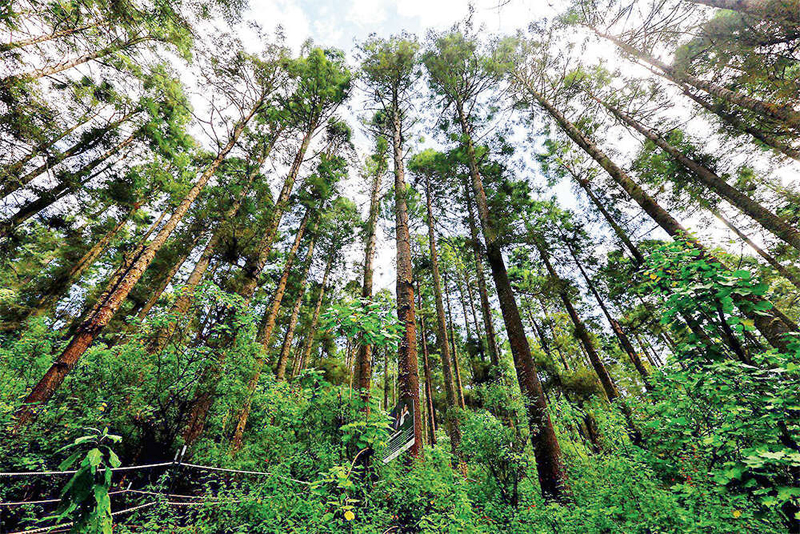
The latest data from Global Forest Watch paints a troubling picture of India’s ongoing struggle to protect its forests. The country lost 18,200 hectares of primary forest in 2024 alone, a slight increase from the 17,700 hectares lost in 2023. While the numbers may seem incremental year on year, the cumulative impact is deeply alarming. Since 2002, India has lost 348,000 hectares of its humid primary forest – the most biologically diverse and carbon-rich type of forest – representing 15 percent of the country’s total tree cover loss during this period. The inability to safeguard these vital ecosystems stems from multiple, intersecting causes. Shifting cultivation, which remains prevalent in several northeastern states, is the leading driver of tree cover loss, accounting for 1.39 million hectares. This is followed by permanent agriculture (620,000 hectares), logging (182,000 hectares), and infrastructure development. Despite being traditional practices, many of these land-use changes are no longer sustainable given the current ecological pressures.
The Northeast has borne the brunt of this degradation. States like Assam, Mizoram, and Nagaland have reported forest losses far above the national average, indicating a regional crisis driven by local development demands, ineffective governance, and lack of enforcement of environmental regulations. A more profound issue is the inadequacy of forest governance. India’s forest conservation laws, though robust on paper, are poorly enforced in practice. Environmental clearance processes are often expedited in favour of developmental projects, undermining long-term ecological health. Moreover, satellite monitoring and data-driven decision-making, while available, have yet to be fully integrated into forest management frameworks.
To reverse this trajectory, India must adopt a multipronged approach. Forest conservation should be treated as an essential component of climate action, backed by legal mandates and funding. Empowering local communities through joint forest management programmes and incentivising sustainable livelihoods can reduce dependence on destructive practices. Reforestation and afforestation efforts must prioritise native species and ecological restoration, not just tree planting for carbon offsets. Transparency in land-use data and stronger penalties for illegal deforestation are critical. India cannot afford to view forest loss in isolation – it is a crisis that affects water security, biodiversity, and climate resilience.
 Follow our WhatsApp channel
