

NEW DELHI, March 12 : The US Trade Representative (USTR) has initiated a Section 301 investigation targeting India and other countries, a move that could pave the way for new tariffs once the current 10 percent global tariff expires in 150 days.
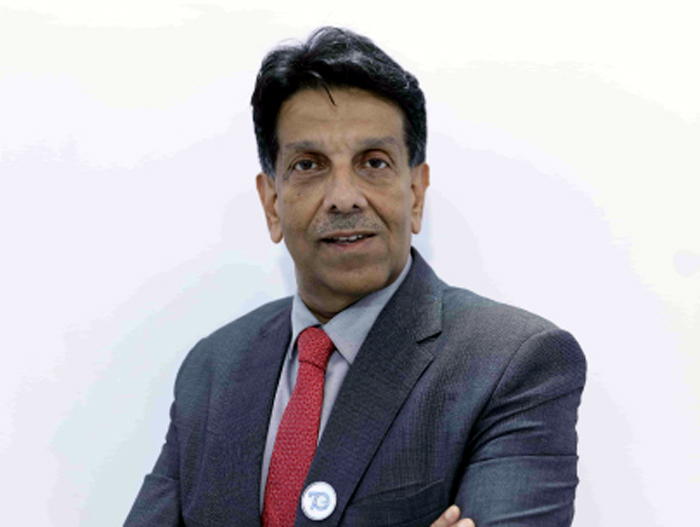
Speaking on the development, Pankaj Chadha, Chairman of EEPC India, said the decision “does not bode well for the Indian engineering sector,” which is still grappling with the 50 percent tariffs imposed by the Trump administration on steel, aluminium, automobiles, and auto components.
Chadha suggested the investigation may also be intended to give the US leverage in trade negotiations with India.
“Following the U.S. Supreme Court nullification of the Trump-era reciprocal tariffs, the U.S. government implemented a 10 percent tariff on all partners and signaled plans to raise it to 15%. The message seems clear: the U.S. is determined to maintain tariffs at a certain level,” he said.
He added that the engineering sector is facing heightened uncertainty amid geopolitical tensions and energy market volatility, particularly following recent conflicts in West Asia. “The outlook for the engineering sector is becoming cloudier. We are living in very uncertain times, thanks to tensions in the Middle East,” Chadha said.
The EEPC India chief’s comments come as exporters await clarity on potential US trade measures and their impact on India’s engineering exports.
Notably, the Trump administration has launched a new trade investigation into alleged “unfair” practices by 16 major trading partners, including India, raising the prospect of additional US tariffs in the coming months.
Announced by the office of Jamieson Greer, the probe will assess whether these countries maintain “structural excess capacity” in manufacturing through subsidies, suppressed wages, or other policies that could distort trade. Should violations be found, Washington could impose punitive measures such as tariffs.
(UNI)
 Follow our WhatsApp channel
