

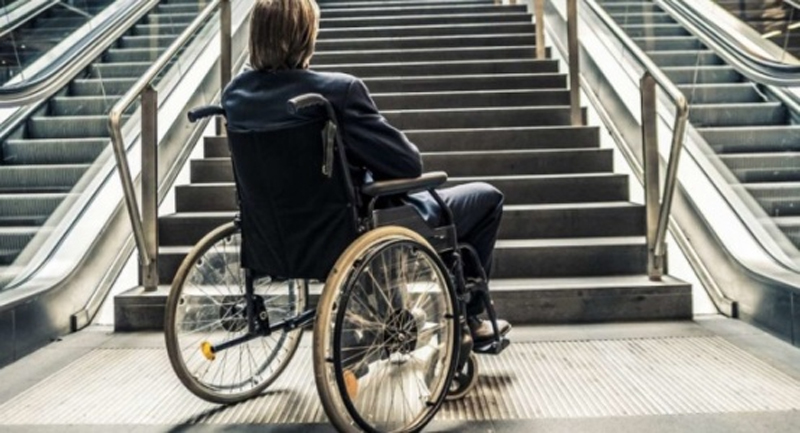
The direction by the Jammu & Kashmir and Ladakh High Court, granting the Government a final six-week opportunity to submit an Action Taken Report on the incorporation of disabled-friendly architecture in DPRs, brings into focus a troubling and long-standing issue-the systemic neglect of persons with disabilities. Regrettably, despite previous instructions and the spirit of inclusivity enshrined in national and international law, Government departments continue to drag their feet on basic accessibility reforms. This is not merely a matter of infrastructure-it is a question of dignity, rights, and equal opportunity. Inaccessible buildings, courts, and offices condemn the specially abled to a life of limited mobility and dependency. The absence of ramps, lifts, special washrooms, and wheelchairs in public infrastructure isn’t just an oversight; it’s a denial of basic human rights. When persons with disabilities cannot even access courts, the very institution meant to uphold justice fails them.
The petitioner’s plea-to remove derogatory and outdated terminology from official language-is equally vital. Language shapes perception. Terms like “crippled,” “retarded,” or “mad” not only demean but also perpetuate discrimination. The law must evolve to reflect dignity and respect, and official communication must set the standard. That Government departments have yet to implement disabled-friendly measures in building designs, despite clear directions and ample time, reflects either apathy or indifference. Infrastructure projects often run into crores, yet accessibility is treated as an afterthought, not a necessity. This attitude must change. Disabled-friendly architecture should be an integral part of planning from the very beginning, not an optional add-on.
It is heartening to see the judiciary standing up for the rights of specially abled citizens. The intervention is both timely and crucial. However, unless departments treat these directions with the seriousness they deserve, such interventions risk becoming empty gestures. The disabled community deserves more than sympathy; it deserves action. They have the right to live independently, to access public spaces, and to receive services without humiliation or hardship. The Government must honour this by ensuring all future constructions comply with accessibility norms-not eventually, but now. Anything less is not only unacceptable but also unconstitutional.
 Follow our WhatsApp channel
