

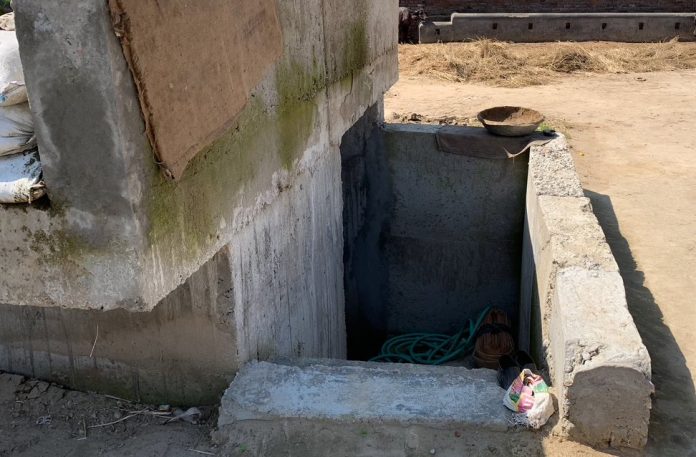
The reports about thousands of underground bunkers along the International Border in Jammu, Samba, and Kathua turning into filth-ridden water tanks after heavy rains are not only alarming but also expose a complete collapse of planning, design, and foresight on the part of the executing agencies. These bunkers, built with the stated purpose of providing safe shelter to border residents during cross-border shelling, today stand as unusable cavities filled with rainwater, mud, and silt. Their present state is not merely a symbol of official neglect but also a grave risk to the lives of people who depend on them for survival during hostilities. For families living under the shadow of mortar and artillery fire, bunkers are not a luxury but a lifeline. These are not ornamental structures; they are meant to be the first line of civilian defence in a volatile border belt where escalation can occur without warning. To see these bunkers rendered useless because of torrential rains-and worse, because of sheer absence of practical engineering-is both tragic and unacceptable.
What is truly baffling is that, despite spending hundreds of crores of rupees on their construction, the most basic precautions were ignored. There is no provision of regular maintenance or cleaning, though villagers had repeatedly raised this concern earlier. Now, it has come to light that these bunkers offer no protection against the ingress of rainwater or floodwater-a fundamental problem that any simple housemaker in Jammu city could have guided the engineers better. Localities like Shastri Nagar, Sanjay Nagar, or Jeevan Nagar have residents who have devised simple yet effective solutions, such as removable sliding iron shutters at gates to stop water from entering their homes. If ordinary citizens can plan so practically, what excuse can departments like R&B and RDD offer for leaving these critical survival structures vulnerable to rainwater and mudslides? The design failure is glaring. It seems the entire exercise of bunker construction was limited to digging a pit, raising four walls, and placing a concrete lantern above-without any thought to drainage, waterproofing, or long-term sustainability. No serious engineering mind appears to have been applied; no consultation with experts in fortification or bunker design seems to have been undertaken. It is a matter serious enough to warrant investigation: was this a technically guided project or merely a free-for-all contract assignment to exhaust allocated funds?
The absence of budgetary provisions for cleaning or maintenance compounds the problem. Experts have already cautioned that prolonged stagnation of water could weaken structural strength, making these bunkers unsafe even after superficial cleaning. Worse, with waterlogged pits turning into breeding grounds for mosquitoes and other vectors, these bunkers now pose a public health risk. If timely cleaning is not carried out, the silt will harden, rendering the task of restoration practically impossible. This episode reveals the lack of mind application at the preparation stage of the DPR. Critical aspects were ignored, despite the vulnerability of the border belt to monsoon rains and flooding. This is not merely technical negligence; it is a systemic failure that puts civilian lives at risk.
The matter requires urgent attention from higher authorities. The weather has improved considerably. Given the volatility of the Indo-Pak border, these bunkers must be treated as one-time investment assets that safeguard precious lives. Teams should be immediately dispatched to conduct joint surveys, assess the damage, and prepare a clear restoration plan. Funds, manpower, and machinery must be provided without delay to ensure bunkers are dewatered, cleaned, and strengthened for use. At the same time, new engineering safeguards must be incorporated-entrances should be fortified, shutters or barriers installed, and drainage systems created to prevent recurrence of such failures.
The border residents deserve better than structures that collapse at the first test of nature. Their lives are as valuable as the lives of those they protect by living on the frontline. What is required now is not another round of bureaucratic excuses but decisive action, technical innovation, and political will to restore these bunkers to their intended purpose.
 Follow our WhatsApp channel
