

Official document reveals new proposal for UT of Ladakh
*Amendments to Hill Council Act worked out
Sanjeev Pargal
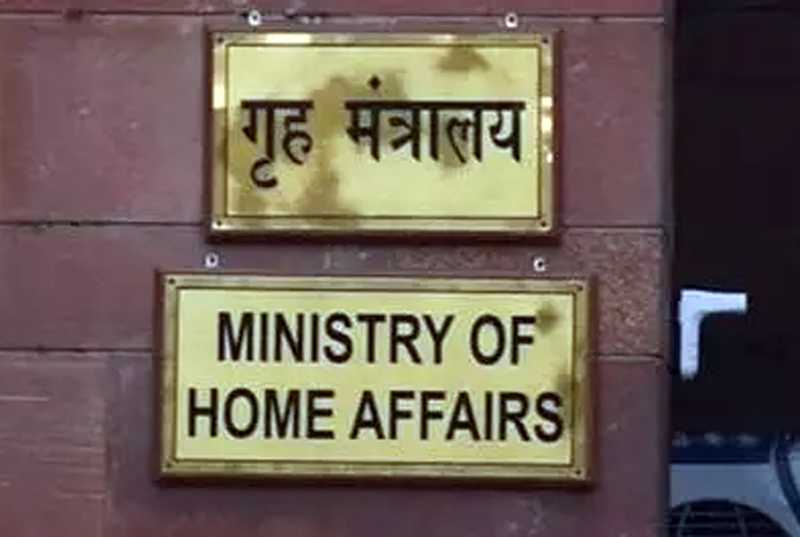
JAMMU, Jan 5: In a significant decision, the Union Ministry of Home Affairs (MHA) has also been examining Territorial Councils for original Leh and Kargil districts as an alternate proposal for seven Hill Development Councils following formal creation of five new districts in the Union Territory of Ladakh.
Follow the Daily Excelsior channel on WhatsApp
An official document accessed by the Excelsior revealed that though the New District Committee (NDC), of UT Ladakh had in its report recommended separate Hill Development Councils in each of the new districts, it had also suggested that in case the MHA decides not to have seven Councils it can go for an alternate proposal.
“The alternate proposal under consideration is to have Territorial Councils for original Leh and Kargil districts so as to maintain status quo,” the document revealed.
As per the alternate proposal, the Territorial Council of Leh will have control over four districts including three new districts of Sham, Nubra and Changthang which have been created from original Leh district while Territorial Council of Kargil will be spread over three districts including Zanskar and Drass which have been erected from original Kargil district.
The NDC which submitted its report last year had recommended boundaries and headquarters of new districts, posts required to be created in each of new districts, separate Ladakh Autonomous Hill Development Councils (LAHDCs) in each of the new districts and financial implications.
“The creation of separate LAHDCs for each of new districts recommended by the NDC has also been examined by the MHA as well as the UT administration of Ladakh and requisite amendments to Ladakh Autonomous Hill Development Council Act, 1997, have been worked out accordingly. In the event, the Ministry decides not to have separate LAHDCs for each of the proposed new districts, an alternate proposal for having Territorial Councils for original Leh and Kargil districts so as to maintain status quo has also been worked out,” the sources said.
They added that the notification for creation of new districts and their boundaries shall be issued by the UT administration of Ladakh under Section 5 of the Jammu and Kashmir Land Revenue Act, 1996 (Act No. XII of 1996) as applicable to the UT of Ladakh, after sanction of posts.
Five new districts for the UT of Ladakh which were announced by Union Home Minister Amit Shah on August 26, 2024 include Sham, Changthang and Nubra in Leh and Zanskar and Drass in Kargil. Presently, Ladakh has only two districts-Leh and Kargil. New units will take total number of districts to seven.
“Headquarters of new districts have also been identified and will be named with formal creation of the new districts,” the officials said.
They said the new districts involved significant budgetary allocations and postings of officers, both All India Services and others for which separate proposals have already been forwarded to the Union Ministries of Finance and Home. Once the financial allocations are approved and MHA’s nod is received, the new districts will be formally announced followed by posting of officers and creation of new administrative units like Tehsils, Niabats and Patwar Halqas.
On the other, the Leh Apex Body (LAB) and Kargil Democratic Alliance (KDA) have been demanding Statehood and Sixth Schedule status to Ladakh for which they have also submitted detailed document to the Union Ministry of Home Affairs (MHA).
Officials, however, admitted that making new districts fully functional can be delayed as it will require ample time to create infrastructure like offices of the DCs and SSPs at the district headquarters and other staff. While senior officers can be posted directly from the AGMUT cadre besides Jammu and Kashmir Administrative Services (JKAS) and Jammu and Kashmir Police Services (JKPS), the subordinate staff needs fresh recruitment.
Presently, the two districts of Leh and Kargil have the Hill Development Councils with 30 Councilors each-26 of whom were elected while four others are nominated by the UT administration. Each Council has a Chairman and four Executive Councilors.
 Follow our WhatsApp channel
