

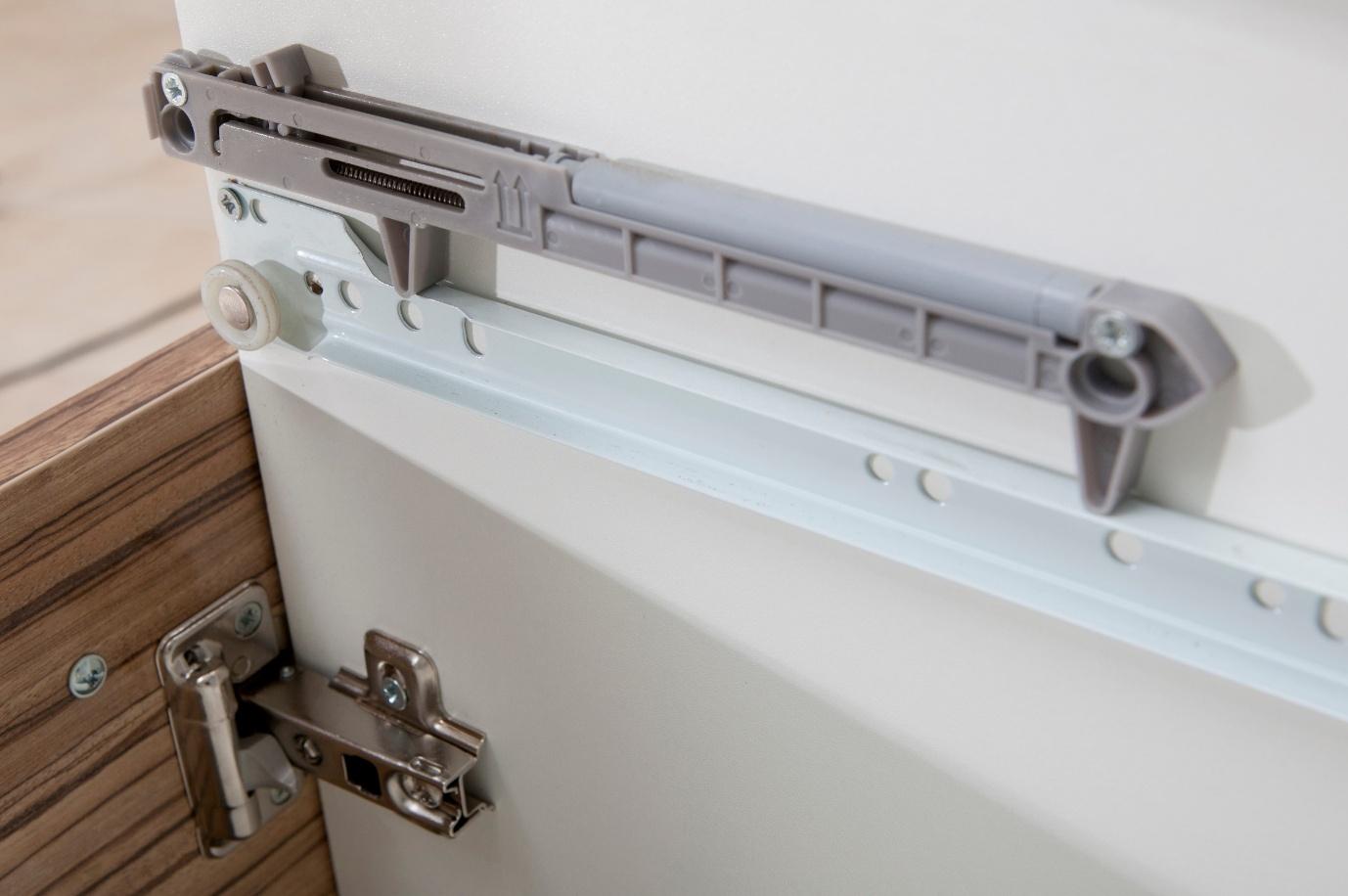
Telescopic slides (also known as drawer slides or linear guides) are essential in applications such as factory automation and transportation equipment. Nevertheless, the choice of the most suitable one should be made taking into account some technical and practical aspects. When selecting a telescopic slide, an incorrect choice can impact efficiency, durability, and the system’s overall performance.
Tips for Selecting the Best Telescopic Slide
To ensure your heavy-duty drawers last a long time, it is essential to use the correct telescopic slide. Good telescopic slides are able to support loads of up to 1,500 kg. Here are some tips on selecting the right telescopic slide for your industrial needs.
Be aware of the load needs
The load that a telescopic slide must carry is one of the first factors considered when selecting a telescopic slide. Slides can be ordered in light-, medium-, and heavy-duty designs, offering loads ranging from extremely low to well over 1,500 kg.
You must ensure that you calculate the maximum weight that the slide will support, including dynamic loads when the slide is in motion, and select a product with at least a 25 percent safety margin over your worst-case weight.
Take a look at the extension type
Telescopic slides: There are a variety of extension types:
- Partial extension: 70 percent of slide length.
- Full extension: A full-length slide is easily accessible.
- Over-extension: Extends beyond the length of the slide to achieve deeper access.
The full-extension slides are most suitable for use in industrial machinery or a maintenance drawer that requires full access and visibility.
Adjust the slide length to the application
Selecting the right closed length (the length of the slide when it is in a closed position) is crucial to ensure a proper fit. Take some measurements of the space you can use for your machinery or the housing unit you are using so that you can know the length you can close. The longer the slide, the more the potential extension, provided you have this space within your design parameters.
Confirm mounting possibilities
Mounting of slides is available in different positions, including side-mount, flat-mount, and under-mount. The mounting position may influence the loading capacity, as the load often supported by horizontal/flat-mount slides is lower due to variations in stress dispersion. Ensure that the slide you choose is rated for the target mounting arrangement.
Safety, review locking features
Depending upon usage, it can be made usable with locks in the open or closed position, dampers, or soft-close features. A secure locking mechanism can be implemented to ensure it cannot move accidentally during operation or transportation, particularly in industrial settings.
Conclusion
Selecting a telescopic slide is not only a matter of load rating, but also one of determining the specific requirements of a particular application and balancing performance, safety, and environmental stability.
Hours of observation of the project‘s requirements will enable you to identify a slide system that guarantees prolonged functioning without safety hazards and maximum efficiency. Finally, you can reach out to a manufacturer of industrial telescopic slides and linear guide rails for customized systems.
 Follow our WhatsApp channel
