

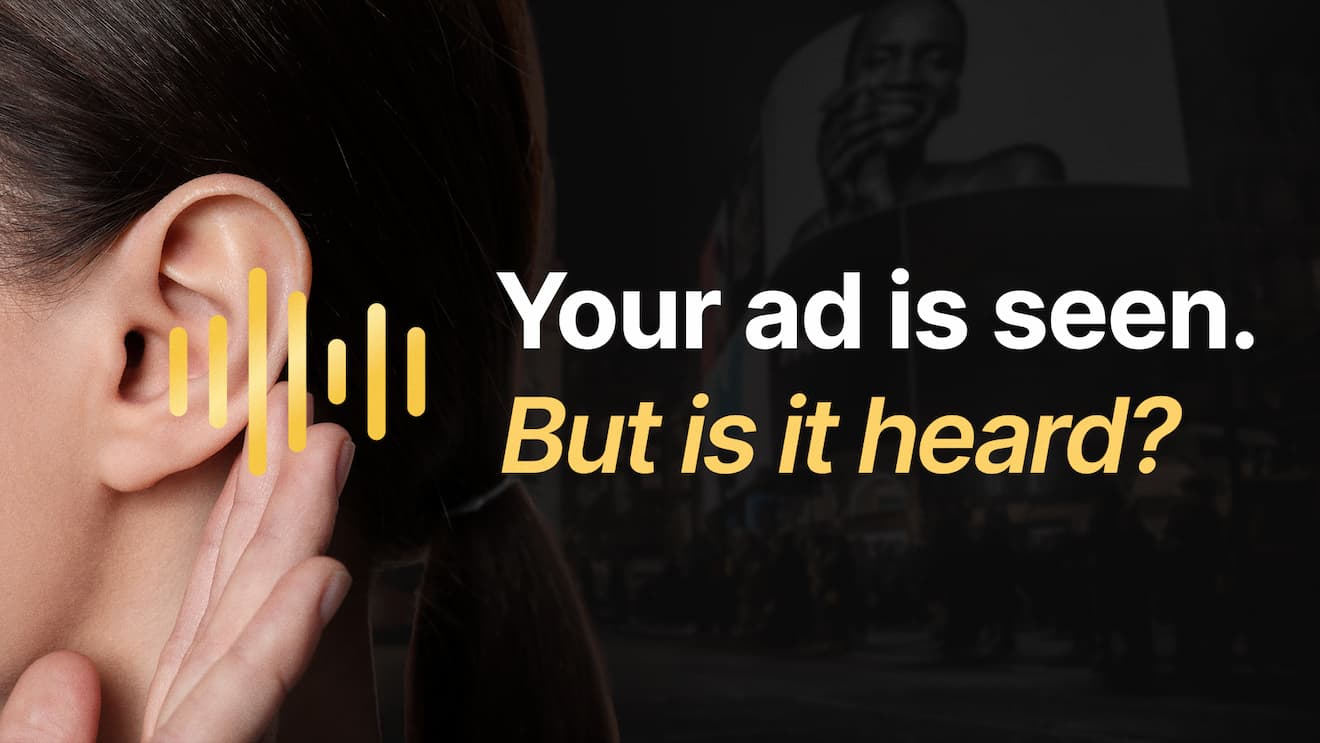
As performance marketers, we live and die by the numbers: CTR, CPC, ROAS, conversions. Every creative element in an ad, headline, CTA, visuals, is optimized, tested, and re-tested. Yet one lever often gets overlooked despite its proven impact on performance: Music.
In today’s Google and Meta ad ecosystems, where ads are auto-optimized for performance, music isn’t just background noise, it’s a conversion driver.
Music and Its Measurable Impact on Ad Metrics
- Click-Through Rate (CTR): Ads paired with upbeat, relevant music can increase CTR by 15–25% on Meta platforms because they instantly capture attention in the first three seconds.
- View-Through Rate (VTR): On YouTube Ads, skippable ads with emotionally aligned tracks have seen 30% higher completion rates, leading to stronger brand recall.
- Conversion Rate: Campaigns that tested multiple music beds often reported 2x lift in conversions, as users felt more emotionally compelled to act.
- ROAS: Performance marketers at scale (think FMCG brands) have documented 8–12% higher ROAS in festive campaigns when music matches cultural cues like Diwali, Holi, or Durga Puja.
In short: music doesn’t just set the tone; it shifts the numbers.
Why Music Works on Meta and Google Ads
- Pattern Disruption: Scrolling users are bombarded with visuals. A track that starts with a distinct hook or SFX disrupts the monotony, forcing attention.
- Emotional Triggering: Google and Meta’s machine learning favors ads that drive engagement. Music accelerates emotional connection, increasing watch time and improving ad ranking.
- Cultural Resonance: Regional music or festival-specific soundtracks boost contextual relevance, giving your ads a natural edge in hyper-local targeting.
Case Examples
- Meta Video Ads: A D2C fashion brand tested the same creative with and without music. The version with a trending lo-fi beat delivered 22% higher CTR and 18% lower CPC.
- Google PMax Campaigns: A travel company layered cinematic scores into their video creatives. The result? A 40% increase in conversions, as the soundscape amplified wanderlust.
- Festive E-commerce Campaigns: During Diwali, brands integrating Indian classical-fusion tracks into creatives saw higher ROAS because the ads blended seamlessly with seasonal consumer sentiment.
Actionable Recommendations for Performance Marketers
- Treat Music as a KPI Driver: Don’t finalize creatives without testing multiple soundtracks. Music should be part of your A/B testing strategy.
- Optimize for the First 3 Seconds: Meta rewards ads that hook early. Start with an impactful soundbite, whether a drumbeat, chime, or lyric cue.
- Localize for Market: For regional targeting, select music that resonates with cultural context (e.g., Tamil folk beats for South India, Punjabi hip-hop for the North).
- Leverage Copyright-Safe Libraries: Avoid takedowns by sourcing from platforms like Hoopr.ai background music and Hoopr Smash for trending bollywood music especially critical for scaling campaigns.
- Measure the Delta: Track CTR, CVR, and ROAS across versions. The difference between “background filler” and “strategic music” often shows up in performance dashboards.
Final Word
Performance marketing isn’t just about reaching audiences, it’s about moving them to act. In Google and Meta ecosystems, where algorithms reward relevance and engagement, music is not optional. It’s the unseen driver of clicks, conversions, and ultimately, ROI.
The right track can lower your CPC, double your CTR, and give your campaign that competitive edge when every other brand is fighting for the same impression.
Music isn’t just creative, it’s performance fuel.
 Follow our WhatsApp channel
