

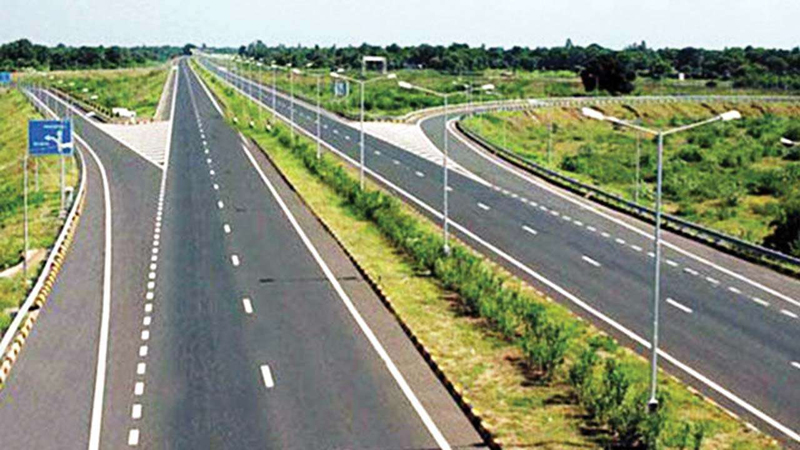
The revelation that 574 National Highway projects worth Rs 3.60 lakh crore are running behind schedule is more than a routine parliamentary statistic-it is a serious indictment of India’s infrastructure delivery system. At a time when highways are central to economic growth, regional integration and national competitiveness, such large-scale delays raise uncomfortable questions about governance, accountability and political will. National Highways are not mere stretches of asphalt; they are economic arteries. Every kilometre completed on time multiplies economic activity by reducing travel time, cutting fuel costs, improving logistics efficiency and opening remote regions to markets. Conversely, every kilometre delayed locks up public capital, escalates project costs, disrupts supply chains and denies citizens the promised returns on their tax contributions. With taxpayers funding these projects through direct taxes, fuel cess and tolls-often at premium rates-the failure to deliver on time borders on institutional irresponsibility.
The Government’s own data highlights the gravity of the problem. Of the delayed projects, over 250 have overshot timelines by one to three years, while 21 have been delayed by more than three years. Added to this are 133 projects worth nearly Rs 1 lakh crore that have been awarded but cannot even begin due to unresolved land acquisition and forest or wildlife clearances. While procedural bottlenecks are real, they cannot be endlessly recycled as excuses. Land acquisition laws have been significantly clarified and streamlined over the years. State Governments and local administrations can no longer plausibly hide behind ambiguity or inertia. What is especially troubling is the role of petty politics and fragmented coordination. Infrastructure projects often fall victim to local opposition, bureaucratic turf wars, or political one-upmanship between the Centre and the states.
The cost of this dysfunction is borne not by Governments, but by farmers, traders, commuters and industries waiting for connectivity. A single National Highway can transform an entire region-boosting industrial investment, strengthening agricultural and horticultural supply chains, reducing wastage, and making Indian products more competitive both domestically and globally.
If highways are truly to be the roads to India’s progress, then all loopholes must be plugged. Faster interGovernmental coordination, strict accountability for delays, time-bound clearances, and zero tolerance for political obstruction are essential. India’s highway programme is ambitious and necessary. But ambition without execution only leads to frustration. Timely completion is not optional but mandatory.
 Follow our WhatsApp channel
