

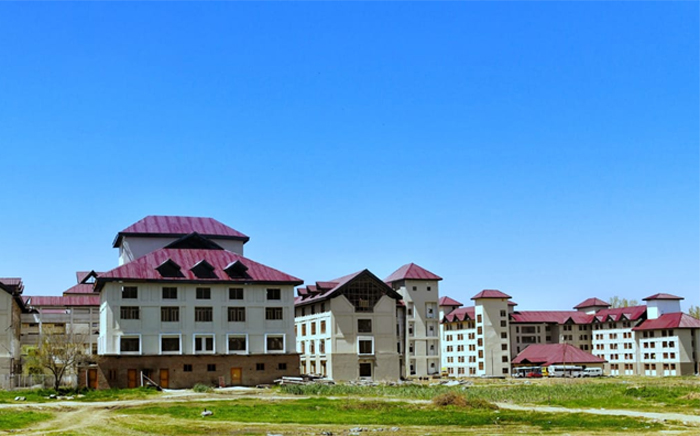
The stark reality emerging from Government Medical College, Anantnag, is not merely one of administrative delay but of systemic neglect that strikes at the very core of medical education and healthcare delivery. While the Government may point to an expanding physical footprint-new blocks, oxygen plants, critical care facilities, and upcoming specialised units-the fundamental pillar of any medical institution remains conspicuously absent: qualified faculty. The numbers are not just alarming; they are indefensible. With over 90 per cent of Professor posts lying vacant and more than half of Assistant Professor positions unfilled, the academic backbone of the institution has effectively collapsed. In a discipline where mentorship, clinical supervision, and academic rigour define the quality of output, the near-total absence of senior faculty raises a disturbing question-who is teaching the students? The lack of experienced Professors and Assistant Professors severely compromises both theoretical instruction and clinical training. This is not a peripheral deficiency; it is a direct violation of norms laid down by the National Medical Commission, which mandates strict faculty-student ratios and minimum teaching standards. Operating under such conditions jeopardises the professional competence of future doctors.
Beyond academics, the implications for patient care are equally grave. A teaching hospital without adequate specialists, paramedics, and technical staff cannot deliver quality healthcare. The shortages across departments-from nursing to paramedical services and administrative roles-paint a picture of an institution struggling to function at even a basic level. Infrastructure without human resources is an empty shell; sophisticated buildings cannot substitute for skilled hands and experienced minds. What makes the situation more paradoxical is the continued investment in infrastructure expansion. While these developments are welcome and necessary, they risk becoming symbolic achievements unless matched by parallel recruitment of faculty and staff. Hospitals are not defined by concrete and steel but by the professionals who animate them.
Government Medical Colleges are not ordinary offices to be managed on skeletal staffing or temporary arrangements. They are critical institutions where lives are saved, and future doctors are shaped. The persistent vacancies at GMC Anantnag represent a failure to prioritise human life and professional standards. The Government must act with urgency and accountability. Filling these vacancies cannot be treated as routine bureaucracy-it is an emergency. The cost of inaction will not be measured in statistics, but in compromised health education, weakened healthcare delivery, and ultimately, in human lives.
 Follow our WhatsApp channel
