

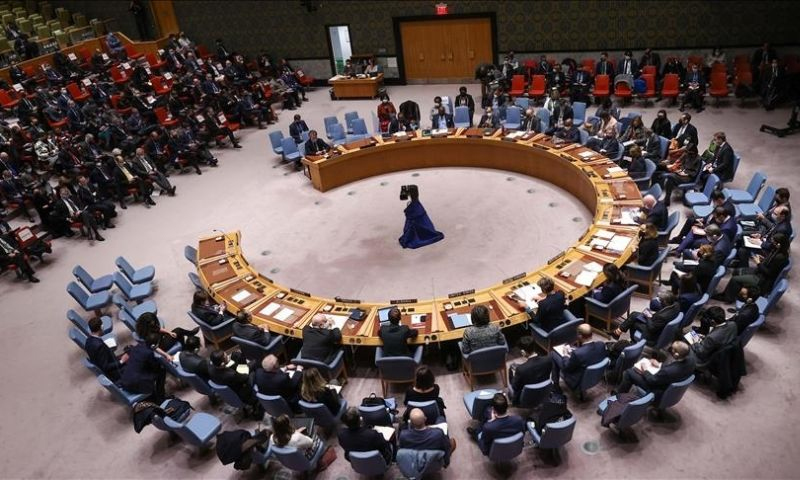
The United Nations Security Council’s strong condemnation of the Pahalgam terror attack is not just a gesture of solidarity with India but a stark reminder that terrorism remains one of the gravest threats to global peace. The April 22 attack, which claimed 26 tourists’ lives and injured many more, tragically reaffirmed the enduring reality that terrorism knows no boundaries of nationality or humanity. In unequivocal terms, the UNSC labelled the attack “criminal and unjustifiable,” irrespective of the perpetrators’ motivations. This clear denunciation matters. By refusing to entertain any justification for acts of terror, the Council reinforced a crucial international norm: that no cause, however deeply felt, legitimizes violence against civilians. This principled stance is vital at a time when political narratives sometimes dangerously flirt with excusing or rationalizing terrorism under various guises.
The statement’s emphasis on accountability – urging all states to actively cooperate under international law – is especially critical. History has shown that when terrorists, their financiers, and sponsors escape justice, it emboldens future attacks. Holding the full chain of responsibility accountable is the only way to disrupt the complex networks that sustain terrorism. Importantly, the UNSC highlighted not only the criminal dimension but also the broader legal obligations under international human rights, refugee, and humanitarian laws, ensuring that counterterrorism efforts do not become pretexts for other forms of injustice.
However, strong words must now translate into tangible actions. Condemnations, however powerful, cannot substitute for consistent global cooperation, intelligence sharing, and the dismantling of financial networks that fund terror. The international community must also recognize that selective approaches to terrorism – where some acts are condemned and others overlooked based on political convenience – severely weaken the fight against it. India, a longstanding victim of cross-border terrorism, finds a moral vindication in such global solidarity. The Pahalgam attack is a grave tragedy. But the global response it elicited offers a chance to renew the collective will against terrorism in all its forms. True justice for the victims lies not just in mourning them but in ensuring that such acts find no haven, no funding, and no future anywhere in the world.
 Follow our WhatsApp channel
