

Dr Rakesh Verma
rakeshforests@gmail.com
Nestled in the picturesque Jammu region, along the sensitive Indo-Pakistan border, lies a remarkable natural sanctuary that has earned the endearing moniker of “the birds village.” Gharana, a small hamlet in the R.S. Pura sector of Jammu district, transforms into a vibrant avian metropolis every winter, welcoming thousands of migratory birds that travel thousands of kilometers to escape the harsh Siberian cold and Central Asian winters. This extraordinary wetland reserve stands as a testament to nature’s resilience and India’s rich biodiversity, offering these feathered visitors warm hospitality in one of the most strategically sensitive regions of the country.
A Winter Wonderland for Migratory Birds
As the mercury begins to drop in the Northern Hemisphere and the first signs of winter appear across the vast expanses of Siberia, Central Asia, and Eastern Europe, an ancient instinct awakens in countless birds. They begin their arduous journey southward, following age-old migratory routes etched in their genetic memory. For thousands of these winged travelers, Gharana wetland reserve represents the end of their long journey-a haven of warmth, abundant food, and safety where they can spend the winter months before returning to their breeding grounds in spring.
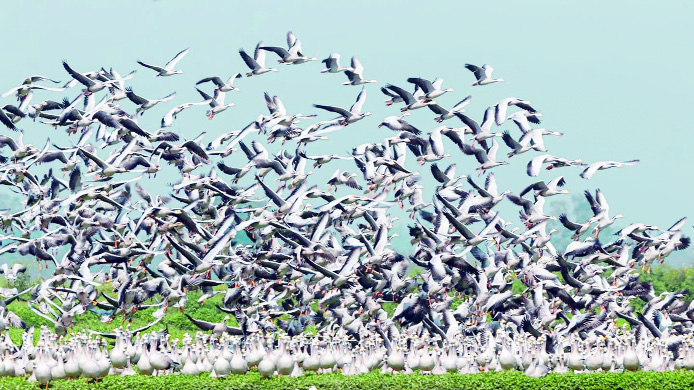
The arrival of these migratory birds at Gharana typically begins in late October and continues through November, with the population peaking during December and January. The wetland, spread across approximately 100 acres, becomes a bustling hub of avian activity, with the air filled with the calls, songs, and chatter of countless species. The sight of thousands of birds taking flight simultaneously, creating mesmerizing patterns against the backdrop of the crisp winter sky, is nothing short of magical.
What makes Gharana particularly special is its location. Situated merely 1.5 kilometers from the International Border with Pakistan, this wetland reserve operates under the watchful eyes of the Border Security Force (BSF). Despite-or perhaps because of-its sensitive location, the area has remained relatively pristine, free from excessive human interference and development. The BSF personnel stationed in the region have become unexpected guardians of this avian sanctuary, ensuring that the birds remain undisturbed during their winter sojourn.
The Magnificent Bar-Headed Geese: Stars of Gharana
Among the various species that grace Gharana with their presence, the Bar-headed Geese (Anser indicus) reign supreme. These remarkable birds are perhaps the most iconic visitors to the wetland, arriving in large, spectacular flocks that can number in the thousands. Easily identifiable by the distinctive black bars on their white heads, these geese are among the world’s highest-flying birds, capable of crossing the Himalayan mountain range at altitudes exceeding 20,000 feet during their migration.
The Bar-headed Geese breed on the high-altitude lakes of Central Asia, particularly in Tibet, Mongolia, and parts of China. As winter approaches and these water bodies begin to freeze, they undertake their incredible journey to the Indian subcontinent, with Gharana being one of their preferred destinations. Their arrival is always a spectacular event, as they descend in V-formations, their distinctive honking calls announcing their presence from afar.
Cormorants: The Skilled Fishermen
Another prominent group of birds at Gharana wetland are the cormorants, skilled diving birds that can be seen throughout the winter months. The most commonly observed species include the Great Cormorant (Phalacrocorax carbo) and the Little Cormorant (Microcarboniger). These birds are distinguished by their sleek, dark plumage and long, hooked beaks perfectly adapted for catching fish.
Cormorants are fascinating to observe as they hunt. Unlike many waterfowl that dabble at the surface, cormorants are expert divers, plunging beneath the water’s surface and using their powerful feet to propel themselves in pursuit of fish. Their hunting technique is highly efficient, and they can remain submerged for up to a minute while chasing their prey. After emerging with their catch, they often need to toss the fish in the air and reposition it before swallowing it headfirst.
Shovelers: The Filter Feeders
The Northern Shoveler (Spatula clypeata) is another regular winter visitor to Gharana that never fails to capture attention with its distinctive appearance. Male shovelers in breeding plumage are particularly striking, with their glossy green heads, white chests, and chestnut-colored flanks. However, it is their remarkable bill that truly sets them apart and gives them their name.
At Gharana, shovelers can be observed in good numbers, often congregating in specific areas of the wetland where the water depth and food availability suit their feeding requirements. Their presence adds to the diversity of feeding behaviors on display, demonstrating the various ecological niches that different species occupy even within the same habitat.
The Rich Avian Diversity of Gharana Wetland Reserve
Beyond these prominent species, Gharana wetland reserve hosts an impressive array of other bird species that contribute to its reputation as a premier birding destination. The diversity encompasses various families of birds, each with unique characteristics and behaviors.
Ducks: Several species of ducks make Gharana their winter home. The Common Teal (Anas crecca), one of the smallest ducks, arrives in considerable numbers. The Common Pochard (Aythya ferina), with the males’ distinctive reddish-brown heads, can be seen diving for aquatic vegetation. The Gadwall (Mareca strepera), though more subtle in coloring, is equally fascinating to observe. The Northern Pintail (Anas acuta), named for the male’s elongated tail feathers, adds elegance to the wetland’s waters. The Eurasian Wigeon (Marecapenelope) and the Ferruginous Duck (Aythya nyroca) also feature among the regular visitors.
Cranes: The Common Crane (Grus grus), though less numerous than some other species, makes occasional appearances at Gharana. These tall, elegant birds are among the most sought-after sightings for bird enthusiasts visiting the wetland.
Waders and Shorebirds: The wetland’s mudflats and shallow margins attract numerous wading birds. The Black-winged Stilt (Himantopus himantopus), with its impossibly long pink legs and striking black-and-white plumage, is a common sight. Several species of sandpipers, including the Common Redshank (Tringa totanus) and the Common Greenshank (Tringa nebularia), probe the mud for invertebrates. The Ruff (Calidris pugnax) and various species of plovers also visit the wetland’s edges.
Herons and Egrets: Several members of the heron family are resident or regular visitors to Gharana. The Grey Heron (Ardea cinerea), India’s largest heron, stands patiently in shallow water waiting to spear fish with its dagger-like bill. The Purple Heron (Ardea purpurea) adds a splash of color with its reddish-brown plumage. Various egrets, including the Great Egret (Ardea alba), Intermediate Egret (Ardea intermedia), and Little Egret (Egretta garzetta), are commonly seen. The Indian Pond Heron (Ardeolagrayii), though unremarkable when standing still, reveals stunning white wings when it takes flight.
Kingfishers: The vibrant Common Kingfisher (Alcedo atthis) and the larger Pied Kingfisher (Ceryle rudis) are regular sights, the latter often hovering over the water before plunging in to catch small fish.
Birds of Prey: Raptors also feature in Gharana’s avian community. The Marsh Harrier (Circus aeruginosus) quarters low over the wetland searching for prey. The Black Kite (Milvus migrans) and Brahminy Kite (Haliasturindus) can often be seen soaring overhead. Occasionally, the majestic Pallas’s Fish Eagle (Haliaeetus leucoryphus) makes an appearance, much to the delight of birdwatchers.
Coots and Moorhens: The Common Coot (Fulica atra) and Common Moorhen (Gallinula chloropus) are abundant at Gharana, often seen swimming among the reeds or walking on floating vegetation.
Ibises and Spoonbills: The Black-headed Ibis (Threskiornis melanocephalus), with its distinctive curved bill, probes the shallow waters. When present, the Eurasian Spoonbill (Platalealeucorodia) is always a highlight with its distinctive spatulate bill and all-white plumage.
Storks: The Painted Stork (Mycteria leucocephala) occasionally visits Gharana, adding its distinctive appearance to the wetland’s biodiversity. The Black Stork (Ciconia nigra) and White Stork (Ciconia ciconia) are rarer visitors but have been recorded at the site.
Other Notable Species: The wetland also attracts the Great Crested Grebe (Podiceps cristatus) with its elaborate courtship displays, the Red-crested Pochard (Netta rufina) with the male’s distinctive orange head, and various species of gulls and terns. The White-breasted Waterhen (Amaurornisphoenicurus) skulks in the reeds, while Pheasant-tailed Jacanas (Hydrophasianuschirurgus) walk on floating vegetation on their extraordinarily long toes.
Passerine birds also contribute to the diversity, with species like the Citrine Wagtail (Motacilla citreola), White Wagtail (Motacilla alba), and various warblers utilizing the vegetation around the wetland’s periphery.
The Ecological Significance of Gharana
Gharana wetland reserve serves multiple important ecological functions beyond providing habitat for migratory birds. Wetlands are among the most productive ecosystems on Earth, often called “biological supermarkets” due to the extensive food webs they support. The wetland acts as a natural water filter, with aquatic plants and soil microorganisms helping to remove pollutants and excess nutrients from the water. It also helps regulate local climate and provides flood control by absorbing excess water during heavy rainfall.
The diversity of bird species at Gharana indicates a healthy ecosystem. Birds occupy various positions in the food chain-from herbivorous geese feeding on vegetation to predatory raptors hunting other birds and small mammals. This diversity ensures ecological balance and resilience. The seasonal influx of migratory birds also facilitates nutrient cycling, as birds transport nutrients across vast distances, essentially connecting different ecosystems through their migrations.
Conservation Challenges and Efforts
Despite its significance, Gharana wetland faces several conservation challenges. The primary threats include habitat degradation, human disturbance, and pollution. Agricultural runoff from surrounding fields can introduce pesticides and fertilizers into the wetland, affecting water quality. Encroachment and changes in land use pose ongoing threats to the wetland’s integrity.
Climate change presents a looming challenge, potentially altering water availability and affecting the timing of bird migrations. Changes in temperature and precipitation patterns could impact the wetland’s ecology in unpredictable ways.
However, there are positive developments. The declaration of Gharana as a wetland reserve has provided some level of legal protection. The BSF’s presence, while primarily for security purposes, has inadvertently helped protect the area from excessive disturbance. Local conservation organizations and the Jammu and Kashmir Wildlife Department have been working to raise awareness about the wetland’s importance and promote its conservation.
Birdwatching tourism, when properly managed, can provide economic incentives for conservation while raising awareness about the wetland’s value. Several local guides have emerged, helping visitors observe and appreciate the birds while ensuring minimal disturbance.
The Border’s Silver Lining
The location of Gharana along the Indo-Pakistan border, while posing security challenges, has paradoxically contributed to the area’s conservation. The restricted movement in border areas has limited development and human interference, allowing the wetland to remain relatively pristine. The BSF personnel, through their presence and vigilance, have become de facto protectors of the birds, often reporting any threats to the wildlife authorities.
This unique situation has created an unexpected harmony between national security and nature conservation, demonstrating that these seemingly disparate objectives can coexist beneficially. Several BSF officers have developed a keen interest in the birds, learning to identify different species and appreciating the natural spectacle that unfolds at their doorstep each winter.
The Experience of Visiting Gharana
For bird enthusiasts and nature lovers, visiting Gharana during the winter months offers an unforgettable experience. The best time to visit is from November to February when bird numbers are at their peak. Early mornings are particularly rewarding, as birds are most active during these hours, with the soft morning light creating perfect conditions for photography.
(The author is from J&K Forest Services)
 Follow our WhatsApp channel
