

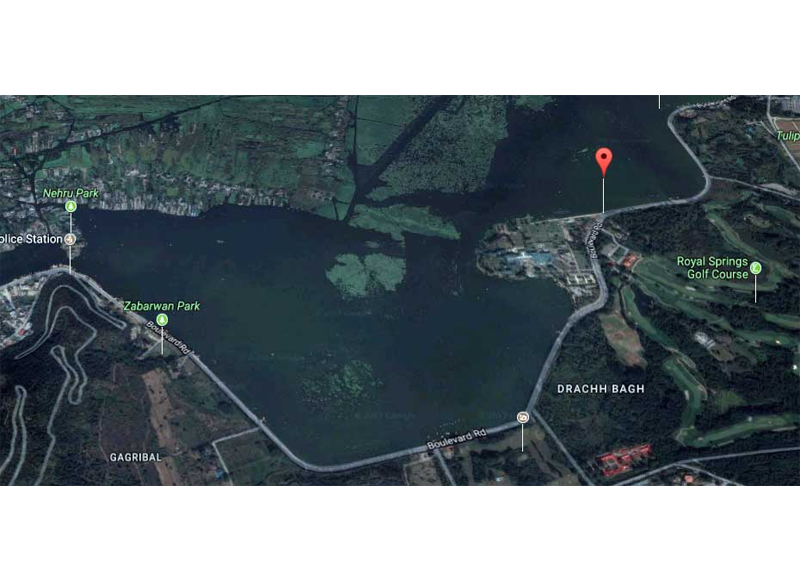
The directive by the Chief Secretary to compulsorily geo-tag all water bodies across Jammu and Kashmir marks a crucial step toward safeguarding one of the Union Territory’s most valuable but gravely endangered natural assets-its water resources. The move, though technical in nature, carries deep ecological, economic, and social implications for the region. It is a necessary precondition for the sustainable management and survival of lakes, ponds, springs, rivers, and wetlands that have for centuries sustained life, culture, and livelihoods in the region. J&K is known for its extensive forest cover and the hundreds of natural and man-made water bodies that dot its landscape. From the world-famous Dal and Wular lakes in Kashmir to smaller village ponds and natural springs across the Jammu plains, these water bodies have historically served as the lifeline of communities-providing drinking water, supporting agriculture, regulating local climates and replenishing groundwater. Yet, over the years, the reckless pace of urbanisation, neglect and encroachment has pushed many of them to the brink of extinction.
In urban centres, several traditional ponds and small lakes have been turned into dumping grounds or filled up for construction. What were once vibrant ecosystems have been replaced by granite parks, parking lots, or private housing. With the advent of piped water supply systems, people gradually lost their sense of dependence on local water sources, and with that, their instinct to protect them. The result is evident-vanishing water bodies, degraded catchments, and diminishing groundwater reserves.
It is in this backdrop that the directive for compulsory geo-tagging assumes immense significance. By digitally mapping every water body with precise coordinates and measurements, the Government is laying the foundation for a comprehensive, scientific approach to water conservation. Geo-tagging creates an authentic, tamper-proof digital record that can be accessed and monitored by multiple departments. Once the data is digitised, it becomes challenging for anyone to encroach upon or alter the status of a water body without leaving a trace.
Moreover, the benefits of geo-tagging extend far beyond protection against encroachments. It enables real-time monitoring of water levels, helping identify early signs of stress due to drought, pollution, or illegal diversions. Abnormal fluctuations can trigger timely investigations into causes-whether natural or man-made-and allow for quick remedial actions. It also helps demarcate catchment areas and buffer zones, ensuring that no developmental activity disturbs the natural flow and recharge mechanisms. In a region that experiences both excessive rainfall and prolonged dry spells, such predictive capability is invaluable for ensuring water security.
The directive also comes at a time when even the High Court has repeatedly expressed concern over the administration’s failure to provide accurate data or action-taken reports regarding encroachments on water bodies. In many cases, District Administrations have been unable to present clear demarcations or ownership details due to a lack of proper records. Geo-tagging fills this critical information gap and empowers both the Government and the Judiciary to act based on verified data rather than estimates or outdated maps.
The one-month deadline set by the CS for completing the geo-tagging exercise is ambitious but achievable, provided all stakeholders act in coordination. The Chief Secretary has assigned shared responsibility to the Jal Shakti Department, the Forest Department, and the Rural Development Department, emphasising the importance of seamless collaboration among them. Equally important is what follows after geo-tagging. The data must be integrated into an accessible central digital dashboard where any decline in water levels, encroachment attempt, or pollution indicator triggers alerts. Regular audits and drone-based verification can further enhance accuracy and credibility. Linking geo-tagged water bodies with land revenue and forest records would make it nearly impossible for vested interests to manipulate boundaries or ownership.
At a time when climate change is amplifying water stress across the Himalayas, J&K cannot afford to lose its natural storage systems. Every pond, spring, and wetland contributes to the delicate hydrological balance that sustains the rivers and the aquifers below. Neglecting them means courting an ecological and economic disaster. Geo-tagging every water body is indeed the first digital step toward reclaiming J&K’s natural soul.
 Follow our WhatsApp channel
